Malaysia Elephant Sanctuary – A Responsible Wildlife Experience at Kuala Gandah

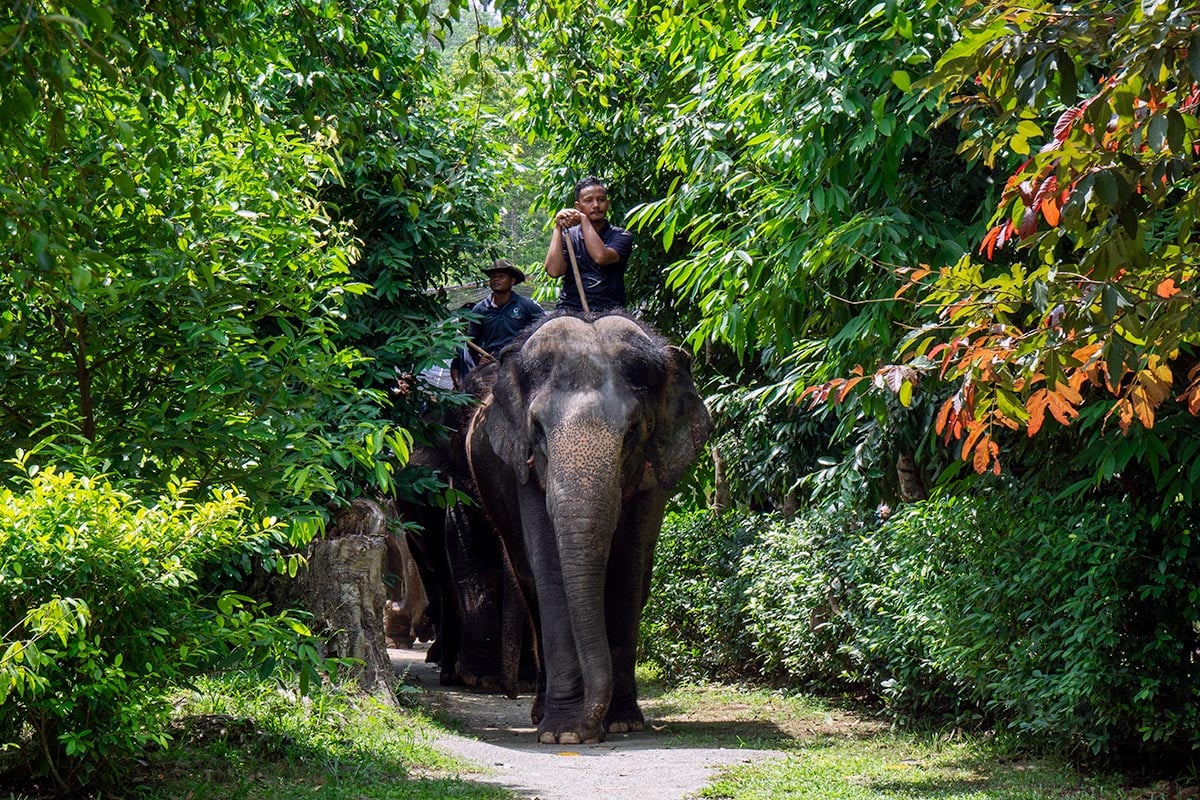
The Kuala Gandah Elephant Sanctuary, officially known as the National Elephant Conservation Centre, is a conservation site in Pahang dedicated to the rescue and care of elephants affected by habitat loss and human–wildlife conflict. Located about two hours from Kuala Lumpur, it is one of the most accessible wildlife experiences within the wider Pahang destination landscape and is often visited as a short stop or day trip as part of a nature-focused journey.
This is not a zoo or entertainment-based attraction. Visits are structured around education, observation, and supervised routines such as feeding sessions, presentations, and, when conditions allow, limited river activities. Daily schedules are designed around the elephants’ needs, which means timing matters and not every activity runs every day. Understanding how the sanctuary operates helps visitors plan realistically and avoid disappointment.
Kuala Gandah is best seen as one piece of a broader Pahang itinerary rather than a standalone highlight. It is commonly combined with destinations such as Taman Negara or the highlands, especially for travellers interested in nature and conservation. For a wider view of how this visit fits alongside other parts of the state, the Pahang Travel Guide explains how travellers typically route through Pahang and how much time to allow for each stop.
What Is the Malaysia Elephant Sanctuary?

The Kuala Gandah Elephant Sanctuary is Malaysia’s main elephant conservation facility, officially known as the National Elephant Conservation Centre (NECC). It is managed by the Department of Wildlife and National Parks (PERHILITAN) and focuses on rescuing, rehabilitating, and managing elephants affected by habitat loss and human–wildlife conflict across Peninsular Malaysia.
Located in the rural district of Lanchang, Pahang, the sanctuary sits near the edge of protected forest areas that allow elephants to live in a semi-natural environment while under human care. Most elephants here are rescues that cannot be immediately returned to the wild. Some may eventually be relocated to larger protected areas, while others remain under long-term care due to age, injury, or behavioural factors.
Kuala Gandah is not designed as a traditional attraction. Public access is limited to specific areas and activities, all of which follow a fixed daily schedule. Visitors learn about elephant conservation through educational talks, observation, and supervised sessions that are part of the elephants’ routine care. Interaction is controlled and purpose-driven, with animal welfare taking priority over visitor experience.
From a travel planning perspective, Kuala Gandah is best understood as a short, educational wildlife stop rather than a full-day destination. It fits naturally into routes that move travellers out of Kuala Lumpur and into nature-focused areas such as Taman Negara National Park, without requiring a major detour.
For travellers comparing how Kuala Gandah sits alongside other nature and wildlife experiences in the country, it helps to see it within the wider landscape of Destinations in Malaysia, where conservation areas, rainforests, and highland regions are grouped by travel style rather than popularity alone.
Why Visit Kuala Gandah Elephant Sanctuary?
Kuala Gandah Elephant Sanctuary is worth visiting if you’re interested in wildlife experiences that are grounded in conservation rather than entertainment. It offers a rare chance to see how Malaysia manages human–elephant conflict and what happens to elephants that have been rescued from logging areas, plantations, or villages where they can no longer survive safely on their own.
One of the main reasons travellers include Kuala Gandah Elephant Sanctuary in their itinerary is its authenticity. This is a working conservation centre, not a commercial park. Activities follow the elephants’ daily routines, and visits are structured around education, observation, and supervised care-related interactions. You’re not there to watch performances, but to understand how elephant protection works in Malaysia.
The sanctuary also works well for travellers who want a meaningful nature experience without committing to a multi-day jungle stay. Unlike rainforest destinations that require overnight accommodation, Kuala Gandah can be visited in half a day and fits easily into a wider Pahang route. It’s especially popular with travellers moving between Kuala Lumpur and interior destinations such as Taman Negara National Park, where it acts as a gentle introduction to Malaysia’s wildlife and conservation efforts.
Another reason to visit is accessibility. Kuala Gandah is one of the few places in Peninsular Malaysia where visitors can learn about elephant conservation without long travel times or complex logistics. This makes it suitable for families, first-time visitors, and travellers who want a responsible wildlife experience but prefer a more controlled setting.
That said, Kuala Gandah is not for everyone. If you’re expecting close-up animal encounters on demand, or a fast-paced attraction, this may feel limited. The experience rewards patience, curiosity, and respect for the animals’ needs. For travellers who value those qualities, a visit here often becomes one of the more memorable and thoughtful stops in Pahang.
Is Kuala Gandah Elephant Sanctuary Ethical? What to Expect as a Visitor

For many travellers, the key question before visiting is whether the experience is genuinely ethical. In the case of Kuala Gandah Elephant Sanctuary, the answer depends on understanding its role and setting realistic expectations.
Kuala Gandah is a government-run conservation centre under Malaysia’s wildlife authorities. Its primary purpose is not tourism, but rescue, rehabilitation, and relocation of elephants affected by habitat loss and human–elephant conflict. Tourism exists here to support education and funding, not to drive entertainment-led experiences.
What this means in practice is that visitors are not watching trained shows or staged performances. Activities follow the elephants’ daily care routines. You may see feeding sessions, educational briefings by rangers, and, at certain times, supervised river bathing involving young elephants. These activities are designed around elephant welfare first, not visitor demand.
There is no elephant riding, no forced tricks, and no unrestricted interaction. Contact is controlled, supervised, and limited to specific sessions. Some elephants may appear calm and social, while others keep their distance. This is normal and should be expected in a conservation setting. Not every elephant participates in every activity, and schedules can change based on weather, animal health, or operational needs.
Travellers should also understand that this is not a “wild” experience in the sense of seeing free-roaming elephants. The animals here are rescues that cannot safely return to the wild without long-term rehabilitation, and some may never be released. Enclosures, fences, and structured movement are part of ensuring safety for both elephants and visitors.
Ethical responsibility also extends to the visitor. Respecting rules, following ranger instructions, avoiding aggressive photography, and approaching the experience with patience all matter. The sanctuary is most rewarding for travellers who want to learn how conservation works, rather than those seeking close-up encounters for photos.
In short, Kuala Gandah is ethical in its mission and management, but it is not designed to meet every traveller’s expectations. If you visit with an understanding of its conservation role, the experience feels honest, educational, and meaningful. If approached as a theme-park attraction, it may feel limited.
Opening Hours and Daily Activity Schedule

Kuala Gandah Elephant Sanctuary operates on a fixed daily schedule that revolves around the elephants’ care routines, not visitor demand. Understanding this timing is essential to planning a good visit.
The sanctuary is generally open from late morning to mid-afternoon. While visitors can arrive earlier, meaningful activities usually take place later in the day, especially in the afternoon.
Most public programs, including educational briefings and elephant presentations, happen after midday. On weekdays, the main presentation typically begins in the early afternoon. Fridays follow a slightly later schedule due to religious observances, and weekends often include an additional session earlier in the day to manage higher visitor numbers.
Because activities are not repeated continuously, arriving too late often means missing key sessions. For this reason, the most practical arrival window is late morning to around midday, allowing enough time for registration, orientation, and preparation before the main activities begin.
Schedules can change due to weather, elephant welfare needs, or operational considerations. Visitors should treat timing as structured but flexible, rather than guaranteed to the minute.
How to Visit Kuala Gandah Elephant Sanctuary from Kuala Lumpur (and Within a Pahang Itinerary)
Kuala Gandah Elephant Sanctuary is located in central Pahang, making it accessible from Kuala Lumpur and easy to combine with other nature destinations in the state. How you visit, and when, has a big impact on the experience.
Visiting from Kuala Lumpur

From Kuala Lumpur, the sanctuary is about 1.5 to 2 hours by road, depending on traffic and weather. Road travel is the most practical option, as public transport does not reach the site directly.
- Self-drive or private transfer
This is the most reliable way to visit. It gives you control over timing, which is important because the sanctuary’s main activities take place in the afternoon. Roads are generally straightforward, though the final stretch passes through rural areas where navigation apps are helpful. - Private tour from Kuala Lumpur
For travellers who prefer not to manage timing, driving, and on-site arrangements themselves, a Kuala Gandah Elephant Tour can be a practical option. Private tours are typically paced around the sanctuary’s schedule, reducing the risk of missing key sessions and avoiding the rushed feel common with larger group tours. - Shared group tours
These are more budget-friendly, but timing can be tight. Some shared tours combine multiple stops in one day, which may shorten the time spent at the sanctuary. If seeing the full afternoon program matters to you, it’s important to check the itinerary carefully. - Public transport
Not recommended. There is no direct bus or train to the sanctuary, and last-mile transport from nearby towns is unreliable. Most travellers find this option impractical.
To enjoy the visit properly, aim to arrive by late morning or around midday. This allows time for registration, lunch, and educational briefings before the main afternoon activities begin. Arriving too late often means missing key sessions, as activities are not repeated throughout the day.
Using Kuala Gandah as a Stopover in Pahang
Kuala Gandah works especially well as a stopover, rather than a standalone destination. Its location makes it a natural break when travelling from the city into Pahang’s interior, allowing travellers to ease into nature-focused travel without backtracking.
A common and well-balanced route looks like this:
- Start in Kuala Lumpur
- Visit Batu Caves in the morning as a short cultural stop
- Continue to Kuala Gandah Elephant Sanctuary for a half-day wildlife visit
- Travel onward to Taman Negara (Kuala Tahan) for one or two nights
- From there, continue to Cameron Highlands or head east toward Cherating
This routing works well because Batu Caves is located on the northern edge of Kuala Lumpur, making it an easy first stop before heading toward Pahang. From there, Kuala Gandah sits logically along the route, breaking up travel time while adding a meaningful conservation experience.
For travellers who prefer a smoother transition without managing multiple transport arrangements, a private transfer from Kuala Lumpur to Taman Negara with a stop at Kuala Gandah can simplify the journey. This approach allows you to include the sanctuary as a short, purposeful stop while keeping the overall travel day comfortable and well-paced.
By structuring the journey this way, travellers can experience culture, wildlife, rainforest, and highlands in a smooth sequence, rather than trying to compress everything into rushed day trips.
Timing Tips That Matter
- Kuala Gandah’s activities follow fixed daily schedules, so timing is more important here than at many attractions.
- Visiting as part of a private transfer or custom itinerary gives the most flexibility.
- If your broader plan includes rainforest or highland stays, visiting Kuala Gandah between destinations usually feels more relaxed than returning to Kuala Lumpur the same day.
When planned thoughtfully, Kuala Gandah fits naturally into a Pahang itinerary. It works best not as a rushed add-on, but as a meaningful pause between city travel and deeper nature experiences
What Happens During a Visit to Kuala Gandah Elephant Sanctuary
A visit to Kuala Gandah is structured around the elephants’ daily care routine, not a fixed tourist timetable. Most visitors spend two to three hours on site, and the experience unfolds at a steady, educational pace rather than as a series of attractions.
Registration and Orientation
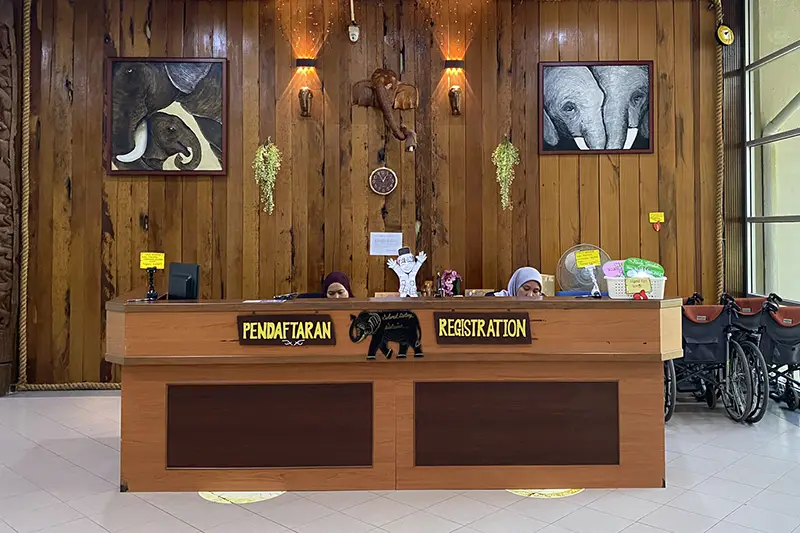
All visitors register on arrival. Entry is free, but donations are encouraged and help support daily care, food, and veterinary needs. After registering, you’ll have time to walk around the grounds, observe the elephants from a distance, and get oriented before the main activities begin.
Educational Briefing and Documentary

One of the first recommended stops is the short documentary and interpretive area. This explains why the sanctuary exists, how elephant relocation works in Malaysia, and the challenges caused by deforestation and human–elephant conflict. Watching this early adds useful context to everything you see later.
Feeding Sessions

Feeding sessions are one of the most popular parts of the visit. Under supervision, visitors can offer fruit or sugarcane to selected elephants. This is controlled and time-limited, with staff managing the flow to keep things calm for both elephants and visitors. It’s interactive, but still clearly guided and respectful.
Afternoon Presentation

The main presentation takes place in the afternoon. Rangers introduce several elephants and share their background stories, ages, and rescue history. You may see demonstrations of basic behaviours used in daily care or relocation work, but there are no performances or tricks. The focus stays on education and conservation rather than entertainment.
Bathing with Baby Elephants at Kuala Gandah (When Available)

One of the most talked-about experiences at Kuala Gandah Elephant Sanctuary is the opportunity to bathe with baby elephants in the nearby river. This activity is designed as a guided, conservation-focused session, not a performance or guaranteed interaction, and it only runs under specific conditions set by the sanctuary.
Elephant bathing is available during selected afternoon programs and is limited to small groups, with close supervision by trained nature guides. Participation depends on several factors, including elephant health, river conditions, and daily scheduling. On some days, the activity may not run at all, even if visitors are on site.
Because of these limitations, bathing with elephants should be seen as a possible highlight, not the main reason to visit the sanctuary. Travellers who understand the structure and timing of the program tend to have a better experience and fewer disappointments.
For a step-by-step explanation of how the bathing session works, who can join, what to bring, and how to plan your timing, see our detailed guide:
Bathe with Baby Elephants at Kuala Gandah Elephant Sanctuary
Flexible, Not Rushed
Unlike commercial attractions, not everything happens on demand. Some elephants may choose not to participate, activities may pause due to weather, and schedules can shift. Visitors who enjoy the experience most are those who approach it with patience and curiosity rather than a checklist mindset.
Overall, a visit to Kuala Gandah is best seen as a guided learning experience. You leave with a clearer understanding of elephant conservation in Malaysia, not just photos. In the next section, we’ll look at the best time to visit Kuala Gandah Elephant Sanctuary and how timing affects what you’re able to see and do.
Best Time to Visit Kuala Gandah Elephant Sanctuary
The best time to visit Kuala Gandah Elephant Sanctuary depends more on timing and conditions than on finding a single perfect month. Because this is a working conservation centre, weather, crowds, and daily schedules all play a role in shaping the experience.
Best Months Overall
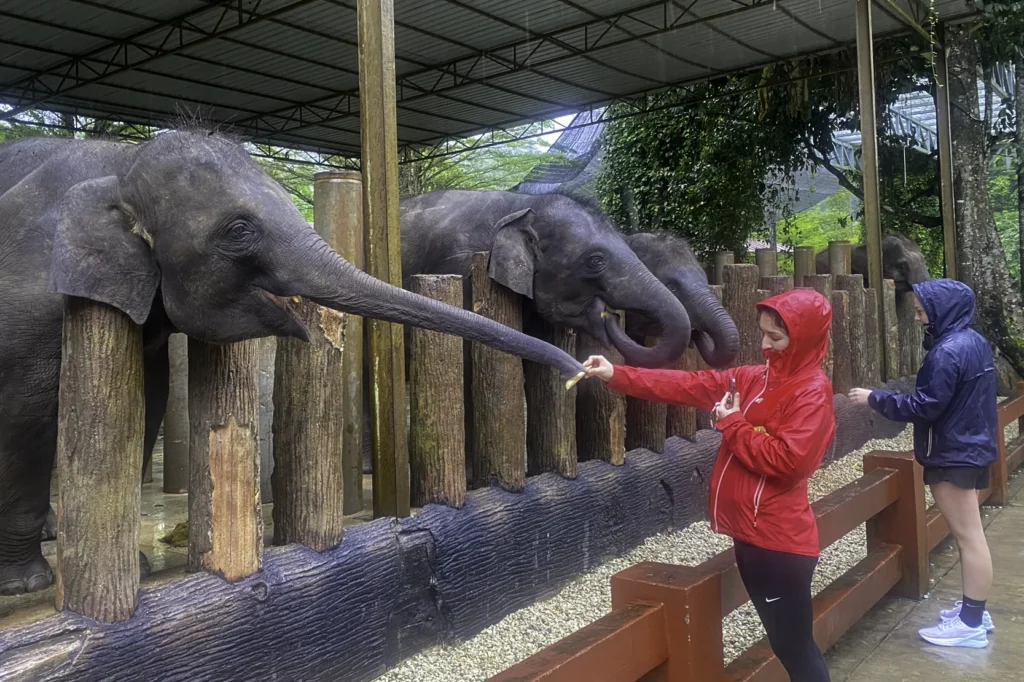
In general, the drier months make visits easier and more predictable. Travel conditions are better, outdoor activities are less likely to be disrupted, and river levels are more suitable when bathing sessions are offered. During wetter periods, especially toward the end of the year, heavy rain can affect river access and limit certain activities, though the sanctuary remains open.
Rain doesn’t make a visit impossible, but it can shorten outdoor time and reduce visibility. If your priority is photography or river-based activities, choosing a drier period improves your chances.
Weekdays vs Weekends

Weekdays are the best time to visit if you want a calmer experience. There are fewer tour groups, shorter waits during feeding sessions, and more space to listen and ask questions during briefings.
Weekends, school holidays, and public holidays are noticeably busier. The sanctuary can still manage crowds, but interactions feel more structured and time-limited. If you plan to visit on a weekend, arriving earlier in the day helps.
Time of Day Matters Most

Regardless of season, timing on the day is crucial. Activities follow a fixed routine, with the main sessions happening in the afternoon. Arriving around late morning to midday gives you enough time to register, have lunch, watch the educational video, and be ready for the core activities.
Arriving too early means waiting, while arriving too late often means missing key sessions entirely. This is one reason Kuala Gandah works better when transport and timing are planned in advance.
Special Notes to Keep in Mind
- Fridays may have slightly adjusted schedules.
- River bathing sessions depend on water levels and elephant welfare, not visitor demand.
- During peak periods, some activities may be shortened to avoid stressing the animals.
In short, the best visit happens when you plan around the sanctuary’s rhythm rather than forcing it into a tight schedule. Next, we’ll cover practical visitor tips, including what to wear, what to bring, and how to prepare for a smooth and respectful visit.
Entrance Fees, Guide Costs, and Elephant Bathing Charges

Entry to Kuala Gandah Elephant Sanctuary itself is free, as it is a government-run conservation centre. However, several on-site activities involve optional fees, which help fund elephant care, food, and conservation work.
Visitors should be aware that cash payment is required, as card facilities are not always available.
Common costs include:
- Nature guide services, which provide guided explanations and access to certain areas
- Educational or behind-the-scenes sessions, offered in small groups
- Elephant bathing activities, when available, conducted under close supervision
Fees can vary depending on the activity and group size, and availability may be limited on busy days. Because these activities are welfare-dependent, they are not guaranteed and may be restricted during peak periods or poor weather.
Although participation is optional, many first-time visitors find that hiring a guide adds valuable context and improves understanding of the sanctuary’s conservation role.
Donations are also encouraged, even for visitors who do not join paid activities. Contributions go directly toward daily operating costs, including food, veterinary care, and facility maintenance.
Practical Visitor Tips for Kuala Gandah Elephant Sanctuary

A little preparation goes a long way when visiting Kuala Gandah Elephant Sanctuary. Because this is an active conservation centre rather than a polished tourist attraction, knowing what to expect helps you enjoy the visit more comfortably and respectfully.
What to Wear and Bring
Dress for a hot, outdoor environment. Light, breathable clothing is best, along with comfortable walking shoes or sandals that can handle uneven ground.
If river bathing with elephants is available and you plan to participate, bring a full change of clothes, including underwear. Visitors usually get completely wet during the session, not just splashed. A small towel and footwear suitable for water are also useful.
Mosquito repellent is strongly recommended, especially during wetter months, as the sanctuary is surrounded by forest. Sunscreen, a hat, and a reusable water bottle will help you stay comfortable during the afternoon.
Cash, Fees, and Registration
All visitors must register on arrival, and you’ll need to bring your passport or ID for this process. Entry to the sanctuary itself is free, but cash is important for optional activities and services.
If you wish to hire a local nature guide, join elephant bathing, or take part in more in-depth educational activities, fees are collected on-site and are usually payable in cash only. Donations are also encouraged and go directly toward elephant care, food, and veterinary needs.
Having small notes makes the process smoother and avoids delays.
Food and Facilities
There is a small on-site café, but the menu is very limited, typically offering only fried rice and fried chicken, with occasional simple alternatives. Visitors with specific dietary needs, food allergies, or vegetarian requirements are strongly advised to bring their own food.
Many travellers eat before arriving or pack light snacks to enjoy between activities. Basic restrooms are available near the entrance, but facilities are simple.
Mobile phone reception can be inconsistent in the area, so it’s best not to rely on constant connectivity.
Behaviour and Etiquette
This is a working conservation centre, and visitor behaviour plays a role in animal welfare. Always follow instructions from rangers and guides. Do not shout, chase elephants, or attempt unsupervised contact.
Feeding and touching are allowed only during supervised sessions using food provided by the sanctuary. Photography is permitted, but avoid flash directly at the elephants, and drones are strictly prohibited.
Accessibility and Pace
The main visitor areas are relatively flat, but surfaces vary between paved paths and dirt tracks. Visits involve standing and walking in warm conditions, so pacing yourself and taking breaks in shaded areas is important.
Approaching the experience with patience, respect, and realistic expectations makes a noticeable difference. In the next section, we’ll look at how Kuala Gandah Elephant Sanctuary fits into a wider Pahang and Malaysia itinerary, and when it works best as a stop rather than a standalone destination.
How Kuala Gandah Fits into a Pahang and Malaysia Itinerary
Kuala Gandah Elephant Sanctuary works best when planned as part of a wider route, rather than as a standalone stop. Its location in central Pahang makes it a natural transition point between the city and deeper nature destinations.
As a Day Trip from Kuala Lumpur
For travellers short on time, Kuala Gandah can be visited as a focused half-day trip from Kuala Lumpur. This works well if you want a meaningful wildlife experience without committing to overnight travel. Timing matters. Arriving in the late morning allows you to take part in the afternoon programs before returning to the city in the early evening.
This option suits first-time visitors who want to balance city sightseeing with one nature-based experience. Travellers comparing different short excursions may also find it helpful to look at other realistic options in our day trips from Kuala Lumpur guide, which outlines what can comfortably be done within a single day from the city.
As a Stopover into Pahang’s Interior
Kuala Gandah really shines as a stopover when travelling deeper into Pahang. Many travellers use it to break up longer drives and ease into a slower pace.
A well-balanced route often looks like this:
- Start in Kuala Lumpur
- Visit Kuala Gandah Elephant Sanctuary (half day)
- Continue to Taman Negara for one or two nights
- Travel onward to Cameron Highlands or head east toward the coast
This flow avoids backtracking and spreads travel time more comfortably. It also lets you experience wildlife, rainforest, and highlands in a logical sequence.
Fitting It into a Larger Malaysia Route
Within a broader Malaysia journey, Kuala Gandah pairs naturally with destinations centred on nature and landscapes. It complements rainforest stays, highland retreats, and slower overland routes, offering insight into how conservation operates beyond national parks and reserves.
For travellers planning a longer journey, viewing Kuala Gandah within the wider Malaysia Travel Guide helps clarify how Pahang connects with other regions across the country, from urban centres to rainforest interiors and coastal areas.
In short, Kuala Gandah is most rewarding when it’s part of a thoughtful route rather than a rushed checklist item. Next, we’ll look at nearby attractions and useful stopovers, covering practical activities travellers can include when visiting the Malaysia Elephant Sanctuary in Kuala Gandah.
Nearby Attractions and Useful Stopovers
While Kuala Gandah Elephant Sanctuary is the main focus of the visit, its location makes it easy to combine with a few nearby stops, especially when travelling from or toward Kuala Lumpur.
Batu Caves (Morning Stop)

A common pairing is a morning visit to Batu Caves before heading to Kuala Gandah. Batu Caves is located just outside Kuala Lumpur and fits well into the timing gap before the sanctuary’s afternoon activities. This combination works particularly well for travellers doing a single-day outing.
Deerland (Short Optional Visit)

Located a short drive from the sanctuary, Deerland is a small, privately run animal park often visited after Kuala Gandah. It’s a brief, informal stop rather than a major attraction and suits travellers with extra time before returning to Kuala Lumpur.
Connecting to Taman Negara
For travellers continuing deeper into Pahang, Kuala Gandah works well as a stopover en route to Taman Negara. Visiting the sanctuary before heading into the rainforest creates a natural transition from wildlife education to immersive nature experiences, without backtracking.
Seen this way, Kuala Gandah fits best into an itinerary as a half-day anchor, rather than a standalone destination surrounded by unrelated stops.
Cultural and Conservation Facts About Kuala Gandah Elephant Sanctuary
Beyond conservation work and visitor experiences, Kuala Gandah Elephant Sanctuary carries cultural and historical significance that adds depth to a visit. These details don’t change how you plan your trip, but they help explain why this place matters within Malaysia’s wider conservation landscape.
The Matriarch of Kuala Gandah
Elephant herds are traditionally led by a matriarch, usually the oldest and most experienced female. At Kuala Gandah, this role belongs to an elephant that has lived at the sanctuary for decades, having arrived from Myanmar in the late 1990s. Her presence offers stability within the group, and visitors may notice how younger elephants naturally respond to her movements and behaviour.
This long-term care reflects the sanctuary’s role not just as a rescue centre, but as a place where elephants may spend much of their lives under protection and supervision.
Why Elephants Are Called “Gajah” in Malaysia
In Malay, elephants are known as “gajah”, a word derived from the ancient Sanskrit term garj, meaning thunder. The name reflects both the elephant’s size and the deep, resonant sounds they produce. It also hints at the long-standing cultural respect elephants have held in the region, long before modern conservation efforts began.
Elephants as Government-Protected Live Assets
All elephants at Kuala Gandah are officially recognised as government-owned live assets. This legal status places them under national protection and ensures their welfare is regulated by Malaysia’s wildlife authorities. It also reinforces the sanctuary’s accountability, with care standards, veterinary oversight, and management decisions governed by conservation policy rather than commercial interests.
The Meaning Behind the Name “Kuala Gandah”
The name Kuala Gandah reflects both geography and local folklore. In Malay, “kuala” refers to a river confluence, in this case where Sungai Teris meets Sungai Gandah.
The word “Gandah” is linked to oral traditions passed down by the Orang Asli Che Wong community, who have lived in the surrounding forest for generations. Local stories associate the name with birds and ancient forest symbolism, grounding the sanctuary not just in conservation work, but in a living cultural landscape shaped by rivers, rainforest, and indigenous memory.
FAQs About Visiting Kuala Gandah Elephant Sanctuary
Conclusion
Kuala Gandah Elephant Sanctuary is not designed to impress through spectacle. Its value lies in what it represents: a working conservation centre where rescued elephants are cared for, studied, and protected in a setting that prioritises welfare over entertainment.
For travellers exploring Pahang, a visit to Kuala Gandah Elephant Sanctuary adds depth to the journey. It provides context to the rainforest, wildlife corridors, and national parks that shape this part of Malaysia, and helps visitors understand the realities behind conservation efforts on the ground.
When planned thoughtfully, whether as a day trip from Kuala Lumpur or a stopover en route to Taman Negara or the highlands, the experience feels purposeful rather than rushed. Visitors who come with realistic expectations, patience, and respect often leave with a stronger appreciation for Malaysia’s wildlife and the challenges of protecting it.
If you’re looking for a responsible wildlife experience that fits naturally into a Pahang itinerary, Kuala Gandah remains one of the most meaningful places to visit.