10 Best National Parks in Malaysia – A Guide to Rainforests, Wildlife & UNESCO Sites

Ever wondered what it feels like to walk through a rainforest that’s over 130 million years old? Malaysia is home to some of the world’s most remarkable national parks, where ancient jungles, limestone caves, coral reefs, and towering peaks protect incredible biodiversity. From the famous Taman Negara National Park in Peninsular Malaysia to the UNESCO-listed Gunung Mulu National Park in Borneo, these protected areas showcase the country’s natural heritage at its best.
In this guide, we’ll explore the 10 best national parks in Malaysia—what makes them unique, the wildlife you can spot, and the activities worth experiencing. Whether you’re planning a jungle trek, cave adventure, or marine park snorkeling trip, Malaysia’s national parks offer something unforgettable for every traveler.
Tip: If you’re planning your first holiday here, check out our Places To Visit in Malaysia for ideas beyond national parks.
Overview of National Parks in Malaysia
National parks in Malaysia are protected areas set aside for conserving natural resources such as flora, fauna, and natural habitats. These parks preserve the country’s rich biodiversity and natural heritage. Malaysia has over 30 national parks, each with unique features and attractions. Some of the most popular national parks include Taman Negara, Bako National Park, Gunung Mulu National Park, and Kinabalu Park.
Taman Negara, which is the oldest and largest national park in Malaysia, boasts an incredible rainforest canopy walkway, while Gunung Mulu National Park is known for its spectacular cave systems. Malaysia’s national parks cover an area of over 4.4 million hectares, making up nearly 14% of the country’s land area. These protected areas are crucial in ensuring the continued survival of the country’s endangered species and unique ecosystems.
For first-time visitors, national parks are just one part of the journey. Check out our guide to the best places to visit in Peninsular Malaysia for first-time travelers to plan a balanced itinerary.
Importance of Malaysia National Park
The national parks in Malaysia are not only essential for preserving the natural environment, but they also play a crucial role in the conservation of the country’s unique and diverse ecosystems. Many of the national parks are home to threatened or endangered species, such as the Malayan tiger, Bornean orangutan, and clouded leopard, and provide a safe haven for these animals to thrive. In addition, these protected areas are crucial for maintaining ecological balance and regulating the country’s water supply.
National parks also promote sustainable tourism, allowing visitors to appreciate the natural beauty of Malaysia’s landscapes while generating income for local communities. The revenue generated from tourism activities in national parks contributes to the country’s economy and supports these areas’ continued protection and conservation efforts. As such, it is essential to continue to protect and preserve Malaysia’s national parks to ensure that future generations can continue to benefit from the ecological, social, and economic benefits they provide.
Associated post: 24 Best Islands in Malaysia
Malaysia National Parks Characteristics
National parks of Malaysia are known for their unique characteristics, which make them popular destinations for nature lovers and adventure seekers. These parks offer diverse landscapes, from dense rainforests to rugged mountain peaks and stunning beaches, each with unique features and attractions. Also, Malaysia’s national parks are home to abundant rare and endangered flora and fauna, making them valuable conservation areas.
One of the most significant features of Malaysia’s national parks is their biodiversity. These protected areas are home to a vast range of plant and animal species, many of which are found nowhere else in the world. For example, Taman Negara National Park is home to over 14,000 species of plants, including the world’s largest flower, the Rafflesia, and an array of wildlife, including the Malayan tiger, Asian elephant, and sun bear.
Another characteristic of Malaysia’s national parks is their accessibility. Many of these parks are easily accessible from major cities, making them popular destinations for locals and international visitors. Some of the more remote parks, such as Gunung Mulu National Park in Sarawak, require a bit more effort to reach, but the effort is rewarded with some of the most stunning landscapes and unique features.
Finally, Malaysia’s national parks offer a range of outdoor activities for visitors to enjoy, from hiking and camping to birdwatching and rapid shooting. These activities provide an opportunity to explore the natural beauty of the parks and experience the unique cultures of the local communities that live in and around them.
Overall, the biodiversity, accessibility, and range of activities offered by Malaysia’s national parks make them a must-visit destination for anyone interested in nature and outdoor adventure.
Visiting National Park in Malaysia
Planning a visit to a national park in Malaysia is a great way to experience the country’s natural beauty and diverse wildlife. To plan a visit, visitors should first decide which park they would like to explore and research the best time to visit to avoid extreme weather conditions. Activities available in national parks include hiking, camping, and wildlife watching, and visitors can choose from various guided tours or explore on their own.
However, visitors must follow the rules and regulations set by the national park authorities to ensure their safety and preserve the natural environment. Some of the regulations include staying on designated trails, refraining from littering, and not disturbing wildlife. It is also essential to be aware of potential hazards such as flash floods and wildlife encounters and to take appropriate precautions. Proper planning and adherence to regulations allow visitors to have a memorable experience while supporting the conservation of Malaysia’s national parks.
Which National Park in Malaysia Should You Visit?
With more than 30 national parks across Malaysia, it can feel overwhelming to decide where to go—especially if it’s your first trip. Here’s a quick guide to help you choose the park that matches your interests and travel style:
- If you’re short on time → Head to Taman Negara. Just a few hours from Kuala Lumpur, it’s perfect for a classic rainforest experience with canopy walkways, river cruises, and easy access to Orang Asli villages.
- If you love wildlife spotting → Visit Bako National Park in Sarawak. It’s one of the best places to see the endangered proboscis monkey, alongside bearded pigs, macaques, and hornbills.
- If you want caves and UNESCO wonders → Choose Gunung Mulu National Park. Its vast cave systems and dramatic limestone pinnacles are unlike anywhere else in Malaysia.
- If you prefer island adventures → Go for Tunku Abdul Rahman Marine Park in Sabah. Just minutes from Kota Kinabalu, it’s ideal for snorkeling, diving, and island-hopping.
- If you want something off the beaten path → Try Endau Rompin or Similajau National Park. Both offer raw, less-crowded rainforest adventures for those seeking a wilder side of Malaysia.
Whether you’re into trekking, cave exploration, or simply relaxing by the beach, Malaysia’s national parks have something for everyone.
Top 10 National Parks in Malaysia
Taman Negara Pahang

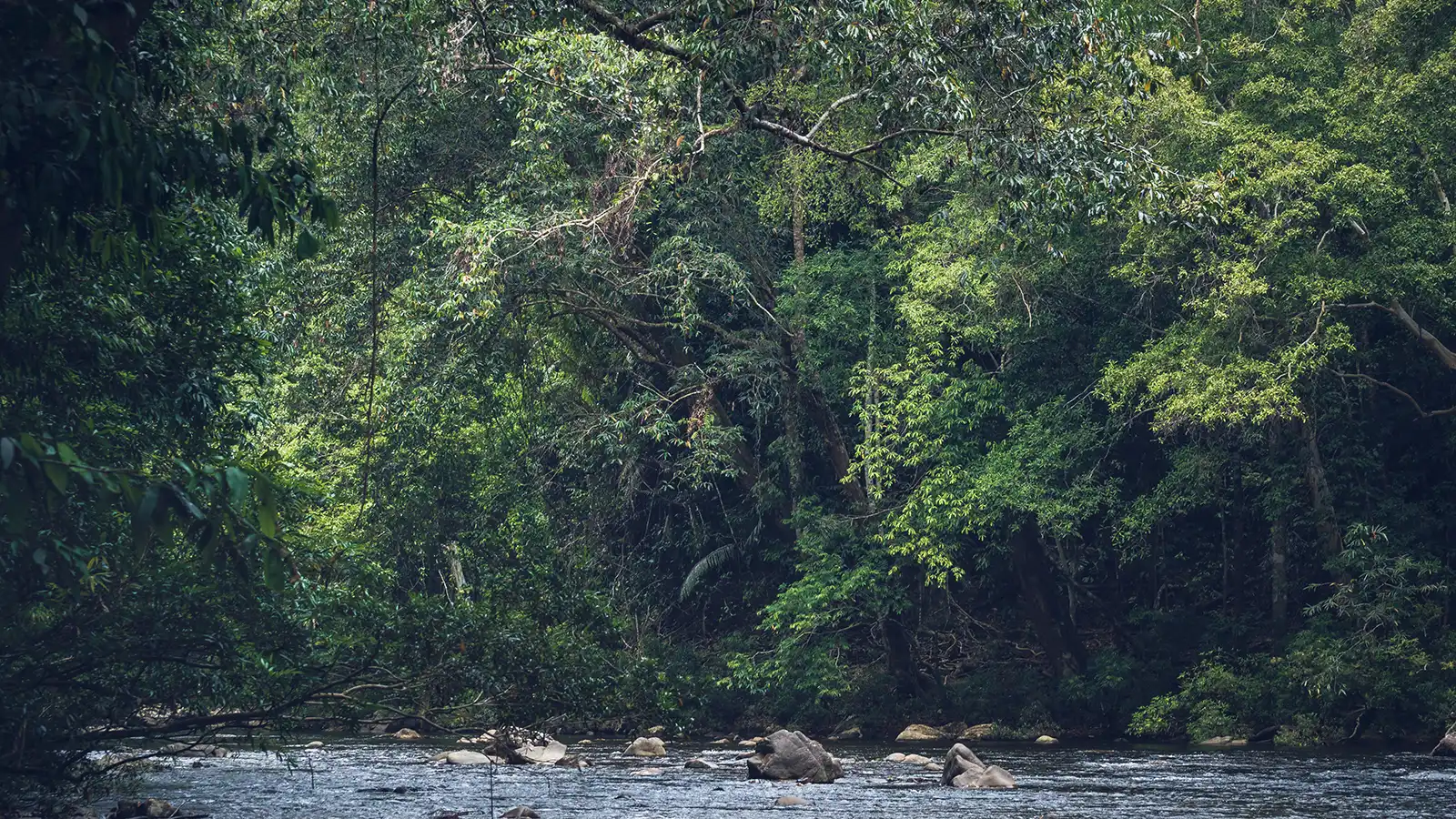
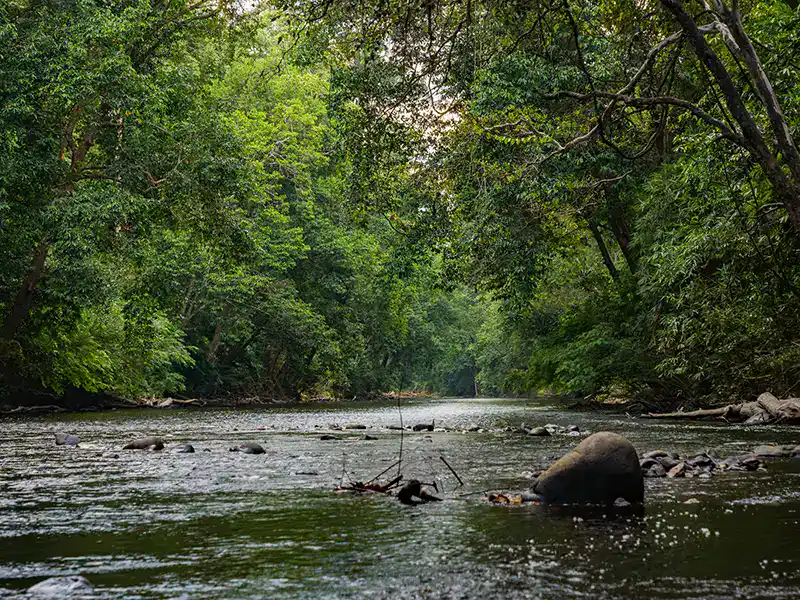
Spanning more than 3,000 sq km across Pahang, Kelantan, and Terengganu, Taman Negara is Malaysia’s oldest and largest national park—estimated to be over 130 million years old. This ancient rainforest is one of the most biodiverse places on Earth, protecting some of the last remaining habitats for iconic species like the Malayan tiger.
Highlights include the famous canopy walkway, night safaris, river cruises, and multi-day treks deep into the rainforest. Adventurers can also challenge themselves with the climb up Gunung Tahan, Peninsular Malaysia’s highest peak.
Taman Negara is also the closest national park to Kuala Lumpur, making it one of the most convenient for travelers. You can even book a day tour from Kuala Lumpur to Taman Negara without the hassle of packing and unpacking. For those on longer journeys, there’s the flexibility to continue onward to destinations like the Cameron Highlands or Club Med Cherating, instead of returning to the capital.
Cultural encounters add another layer of richness: visitors can meet the Bateq Orang Asli communities, Malaysia’s indigenous people, who still practice traditional jungle survival skills. With eco-lodges, riverside guesthouses, and guided tours available, Taman Negara is both an adventure and a cultural journey.
Travel Tips: The park is around 4–4.5 hours from Kuala Lumpur. The best time to visit is during the dry season (March–October). Guided tours are highly recommended for first-timers.
Plan your visit: Book a Taman Negara Day Tour from Kuala Lumpur | Read our Complete Taman Negara Travel Guide
Penang National Park – Beaches, Mangroves & Jungle Trails

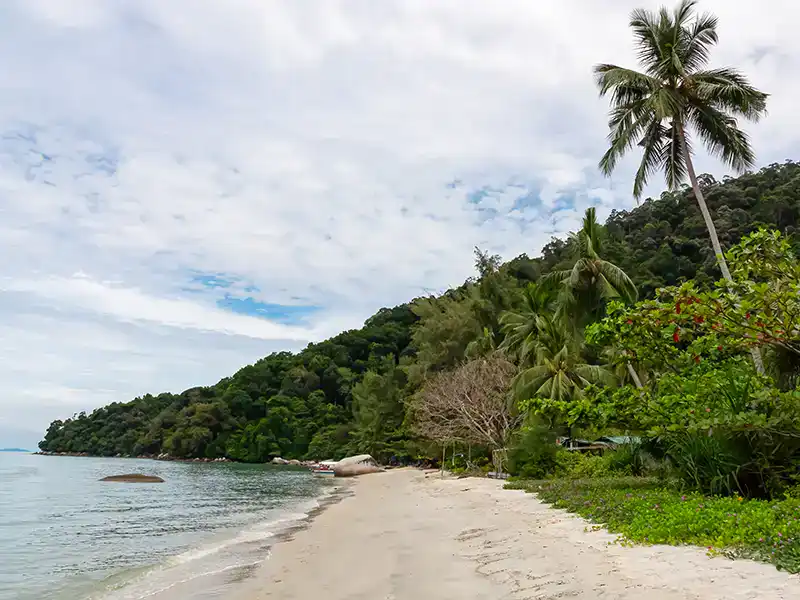
At 2,562 hectares, Penang National Park may be Malaysia’s smallest, but it’s one of the most diverse. Located at the northwest tip of Penang Island, it combines rainforest, mangroves, and coastal ecosystems into one compact protected area.
The park is known for its hiking trails that lead to destinations like Pantai Kerachut Beach, home to a seasonal turtle sanctuary, and the historic Muka Head Lighthouse. Wildlife sightings include dusky leaf monkeys, giant flying squirrels, and over 150 species of birds.
Penang National Park is easily accessible and popular for day trips. A bonus is that visitors can explore by boat—ranger-led tours allow you to combine jungle trekking with coastal exploration. Its location near George Town makes it ideal for travelers who want to balance nature with Penang’s cultural attractions.
Travel tip: Entry is free, but registration at the park entrance is required. Go early to avoid the afternoon heat on jungle trails.
Endau Rompin National Park – Remote Rainforest Wilderness

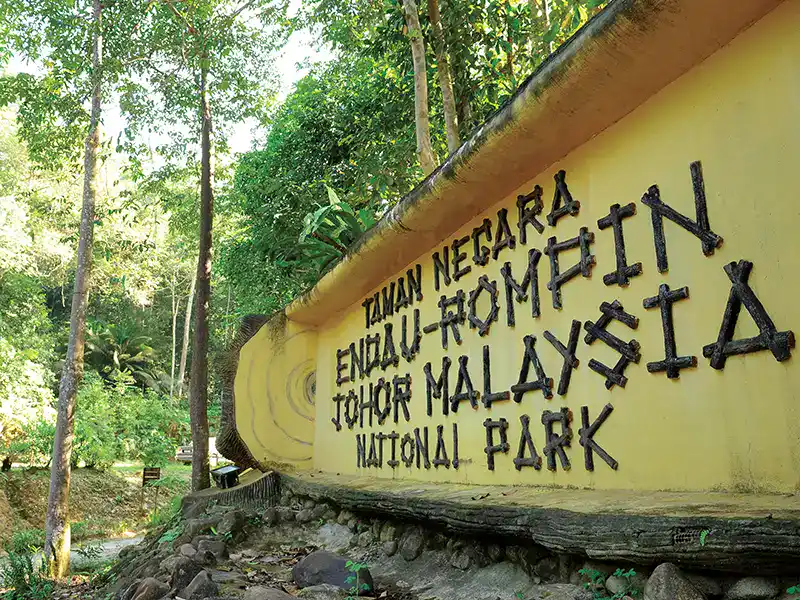
Taman Negara Endau Rompin, or the Endau Rompin National Park, is a protected area in Johor State, Malaysia. It covered an area of 687 km2 and was gazetted as a Malaysia national park in 1994 to protect its unique ecosystems, home to many endemic species.
This lush tropical rainforest contains some of the oldest flora and fauna in the world. The park’s rivers and wetlands provide habitats for fish, amphibians, reptiles, birds, and mammals, including tapir, tigers, and elephants.
The Department of Wildlife and National Parks (PERHILITAN) manages the park through its Taman Negara Division. Their conservation efforts focus on preserving endangered species like the Sumatran rhino and protecting threatened habitats like peat swamp forests and mangroves from illegal logging activities. They also work with local communities to create awareness about environmental issues such as soil erosion due to deforestation.
Endau Rompin National Park provides opportunities for nature-based tourism activities such as jungle trekking, bird watching, fishing, and camping, which can help generate income for nearby villages while encouraging the sustainable use of natural resources. With increasing human pressure on its fragile ecosystems, however, conservation plans must remain dynamic to ensure the long-term protection of this valuable resource.
Moving forward into Gunung Gading National Park will allow us to gain further insight into other aspects of Malaysian conservation initiatives.
Gunung Gading National Park – Home of the Rafflesia

Located in Sarawak, Gunung Gading is world-famous for hosting the Rafflesia, the largest flower on Earth, which can grow up to one meter across. This unique bloom draws travelers hoping to witness it in full glory.
The park also offers jungle trekking trails, cooling waterfalls, and opportunities to spot rare plants and insects. Visitors can hike through lush rainforest while keeping an eye out for the Rafflesia in various stages of bloom.
Because the Rafflesia doesn’t flower year-round, the park has become a center for conservation and research, helping protect both the plant and surrounding ecosystems. Rangers provide updates on blooming times, making this a must-visit for botany enthusiasts.
Travel tip: Call ahead to check if the Rafflesia is blooming—it only flowers for a few days at a time.
Bako National Park – Sarawak’s Wildlife Haven

Established in 1957, Bako National Park is Sarawak’s oldest and one of its most beloved parks. Despite covering just 27 sq km, it packs in a remarkable variety of habitats, from mangroves and beaches to lowland rainforest.
It’s one of the best places to see the proboscis monkey, an endangered primate found only in Borneo. Other residents include bearded pigs, monitor lizards, and over 150 bird species. Trails cater to all levels, from short jungle walks to longer treks leading to secluded beaches.
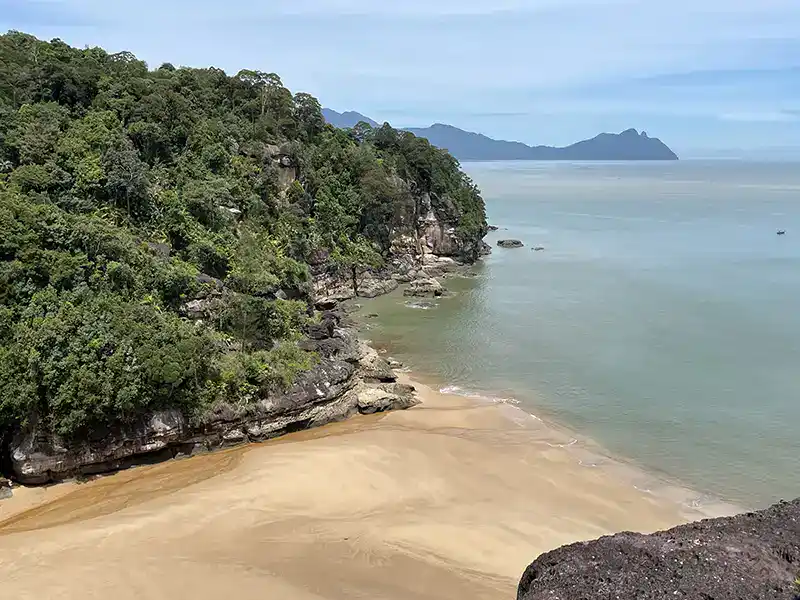
Bako is known for its dramatic coastal scenery, with sandstone cliffs, sea stacks, and mangrove-lined shores. The combination of wildlife and landscapes makes it a highlight for visitors to Kuching.
Travel tip: Accessible only by a 30-minute boat ride from Kuching. Stay overnight in park chalets if you want to experience the jungle at night.
Similajau National Park – Golden Beaches & Rainforest Trails

Located near Bintulu in Sarawak, Similajau National Park covers more than 19,000 hectares of rainforest and coastline. Its biggest draw is its long stretches of golden-sand beaches, combined with lush jungle trails.
The park is recognized as an Important Bird Area, home to hornbills, sea eagles, and other rare bird species. Gibbons, flying lemurs, and slow lorises also inhabit the park. Visitors can trek, swim, or simply relax on quiet beaches.
Despite its size and beauty, Similajau remains relatively uncrowded, making it ideal for those seeking off-the-beaten-path adventures. Educational exhibits near the park entrance help travelers understand its ecological importance.
Travel tip: The best time to visit is the dry season (February–October). Carry supplies, as facilities inside are limited.
Niah National Park – Caves & Ancient Human History

Niah National Park, near Miri in Sarawak, is both a natural and archaeological wonder. Its Great Cave contains evidence of human settlement dating back 40,000 years, making it one of Southeast Asia’s most important prehistoric sites.
Beyond its cultural significance, the park offers limestone cliffs, dense rainforest, and wildlife including hornbills, macaques, and bats. Visitors can hike trails, explore caves, and learn about ancient life at the park’s Archaeology Museum.
The combination of natural landscapes and cultural heritage makes Niah unique. It’s one of the few places where you can connect with both Malaysia’s biodiversity and humanity’s earliest history.
Travel tip: Bring a flashlight and sturdy shoes for cave exploration. Combine your visit with Lambir Hills for a full day of nature near Miri.
Lambir Hills National Park – Biodiversity Hotspot

Covering 2,428 hectares near Miri, Lambir Hills is considered one of the world’s most biodiverse rainforests. It’s home to more than 1,000 plant species and countless animals, from monkeys and hornbills to tiny forest insects.
The park’s well-maintained trails lead to waterfalls, viewpoints, and secluded jungle areas. Trekking ranges from short one-hour walks to challenging multi-day hikes. Waterfalls like Latak are popular for cooling swims.
Lambir Hills also plays an important role in water conservation, serving as a watershed for nearby towns. Its biodiversity makes it a hotspot for scientific research and ecotourism alike.
Travel tip: Trails can be slippery after rain. Start hikes early to avoid the midday heat and carry enough drinking water.
Gunung Mulu National Park – UNESCO World Heritage Site

A crown jewel of Malaysian eco-tourism, Gunung Mulu National Park in Sarawak is a UNESCO World Heritage Site renowned for its limestone karst formations and vast cave systems.
Highlights include the Deer Cave, home to millions of bats that fly out in the evenings, and the spectacular Pinnacles Trail, with dramatic spires rising from the rainforest. Visitors can also explore rivers, waterfalls, and longhouses belonging to local communities.
Mulu’s isolation adds to its charm—it’s only accessible by flight. This remoteness has preserved its pristine ecosystems, making it a paradise for trekkers, cave explorers, and nature enthusiasts from around the world.
Travel tip: Book flights and accommodation early. Join guided cave tours for the safest and most insightful experience.
Tunku Abdul Rahman Marine Park – Island-Hopping Paradise

Just a 20-minute boat ride from Kota Kinabalu in Sabah, the Tunku Abdul Rahman Marine Park consists of five islands—Manukan, Gaya, Sapi, Mamutik, and Sulug. Each offers turquoise waters, coral reefs, and sandy beaches.
Activities include snorkeling, scuba diving, kayaking, and short jungle hikes. The park is also an important conservation area for sea turtles, reef sharks, and other marine life.
Because of its accessibility, the park is a favorite for both locals and international visitors. It’s the perfect escape from city life, with opportunities for both relaxation and adventure in one trip.
Travel tip: Visit on weekdays for fewer crowds. Island-hopping tours can be booked directly from Jesselton Point Ferry Terminal.
This guide is one of several in our Malaysia Travel Guide collection. Check it out to explore more places worth adding to your itinerary.
FAqs
Conclusion
In conclusion, the national parks of Malaysia stand as invaluable treasures, preserving the country’s rich natural heritage and showcasing its remarkable biodiversity. These parks, such as Taman Negara, Gunung Mulu, and Bako National Park, offer breathtaking landscapes, rare wildlife encounters, and immersive experiences for visitors. Through active conservation efforts and sustainable tourism practices, Malaysia’s national parks serve as vital sanctuaries for endangered species, protect fragile ecosystems, and contribute to the country’s economy.
As visitors explore the depths of ancient rainforests, trek through rugged terrains, and immerse themselves in Malaysia’s national parks’ beauty, they create lasting memories and contribute to preserving and appreciating these natural wonders. Let us continue to appreciate and protect these national treasures for generations, fostering a harmonious relationship between humans and the natural world.