Visiting Batu Caves on Your Own vs With a Private Guide – Which Option Suits You?

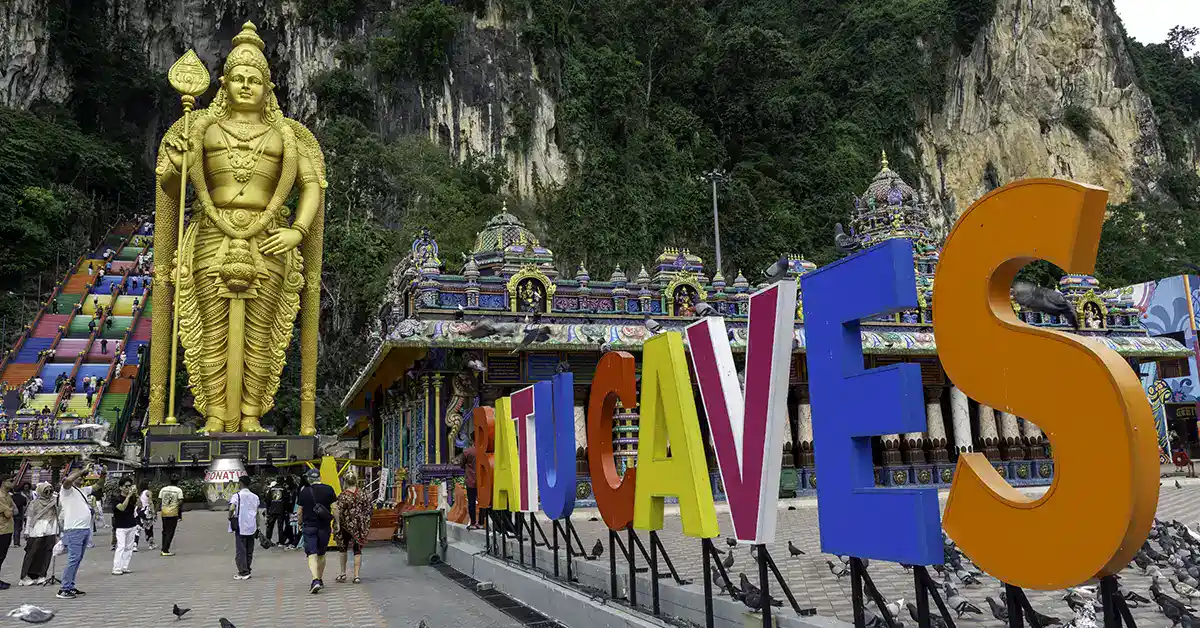
SELF-VISIT OR PRIVATE TOUR — QUICK ANSWER
Visiting Batu Caves independently costs roughly RM 4.20–85 and takes 2–3 hours, but offers little cultural context beyond signage. A private guided tour costs from RM 315 for a solo traveller, dropping to RM 104 per person for a group of five, and typically extends into a 4–5 hour half-day covering Kuala Lumpur city highlights. Independent visits suit budget travellers and repeat visitors; private tours suit first-time visitors, families, older travellers, and cruise passengers on a fixed schedule.
| SELF-VISIT OR PRIVATE TOUR — QUICK FACTS | |
|---|---|
| Self-visit cost | RM 4.20–85 (see cost breakdown below) |
| Private tour cost | RM 104–315 per person (tiered by group size) |
| Self-visit time at site | 60–90 minutes |
| Self-visit total time commitment | 2–3 hours |
| Private tour total time | 4–5 hours (half-day) |
| Best for | Self-visit: budget travellers, repeat visitors. Private tour: first-time visitors, families, cruise passengers. |
Batu Caves is one of the easiest attractions to reach from Kuala Lumpur, and most visitors manage the trip without any outside help. The train runs directly there, admission is free, and the site is well-signed once you arrive. So why would anyone book a private tour?
The short answer is that both options work — but they suit different types of travellers. This guide compares the two approaches honestly, covering cost, logistics, time, and what you actually experience at the site, so you can decide which one fits your trip. Timing can also affect the experience, especially if you want to avoid large crowds or climb the staircase in cooler conditions, which is why many visitors check the best time to visit Batu Caves before planning their day.
Batu Caves is more than a photo stop — it’s an active Hindu temple in Malaysia and one of the most significant pilgrimage sites for Hindus outside India. Whether you explore the temple caves independently or with a local guide, the experience is shaped by how much context you bring with you.
If you’re still planning the basics of your visit, our Batu Caves Visitor Guide covers everything from opening hours and dress code to what to expect when exploring the temple caves.
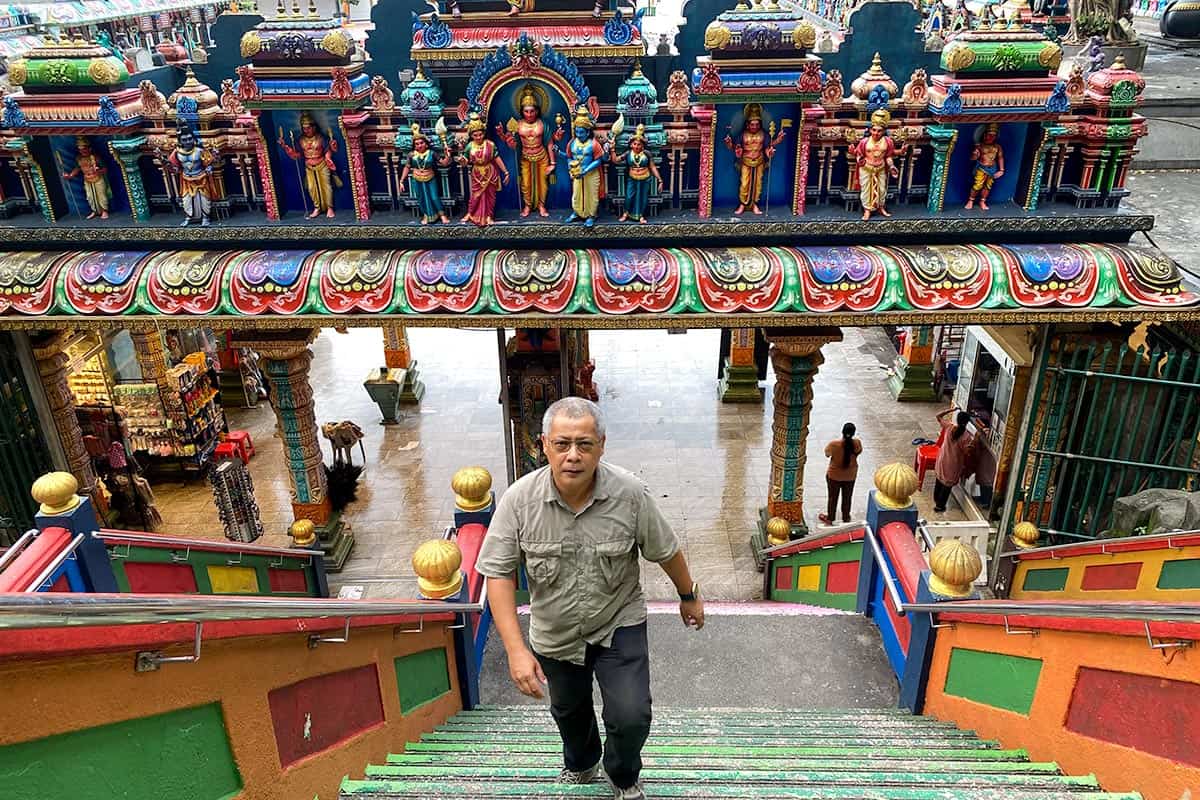
Written by Anuar, Private Tour Specialist based in Kuala Lumpur. I’ve guided travellers who chose to visit independently and travellers who booked the private tour, so this comparison reflects what each option is actually like on the ground — not just numbers on a page. About Anuar.
Getting to Batu Caves on Your Own
The most popular independent option is the KTM Komuter train from KL Sentral. A one-way ticket costs around RM 2.60 and the ride takes about 30–40 minutes. Batu Caves is the final stop on the line, so there’s no risk of missing it.
From the station, it’s a short walk to the base of the 272-step staircase. The entire journey from central KL to standing in front of the Lord Murugan statue takes under an hour.
E-hailing (ride-hailing apps) is the other common option. Expect to pay RM 20–35 each way from central Kuala Lumpur, depending on traffic and time of day. The drive takes 20–30 minutes in normal conditions, though KL traffic can be unpredictable during rush hours.
For full transport details including bus routes and KLIA connections, see our How to Get to Batu Caves guide.
What a Self-Visit Looks Like
A typical independent visit to Batu Caves follows this pattern:
You arrive, walk past the 42.7-metre golden statue of Lord Murugan — the tallest Murugan statue in the world and the tallest statue in Malaysia — and begin climbing the 272 rainbow-coloured steps to the Temple Cave above. The climb is steep and gains about 100 metres in elevation, so expect to work up a sweat in Malaysia’s tropical humidity. Most people in reasonable fitness manage it in 15–20 minutes with a few rest stops along the way. At the top, you explore the enormous limestone cavern housing several Hindu temple shrines, come back down, and possibly visit the Ramayana Cave (RM 5 entry) at the base. Most visitors spend 60–90 minutes at the site.
What you see is impressive — the limestone cavern is enormous, the Hindu shrines inside are colourful and active, and the rainbow staircase is genuinely striking in person. You’ll take great photos and get a feel for why this site draws millions of visitors each year.
What you miss, though, is context. Most independent visitors walk through the caves, admire the visuals, and leave without fully understanding what they’ve seen. The temples, the rituals happening around you, the significance of the Murugan statue, the stories carved into Ramayana Cave — these things are much harder to appreciate without someone explaining them.
There are also temple rules and etiquette beyond the dress code that first-time visitors often aren’t aware of. Photography is restricted in certain inner sanctums and during active prayer ceremonies. Visitors should avoid pointing their feet toward shrines, step aside when worshippers are performing rituals, and remove shoes where indicated. These aren’t posted on signs everywhere — they’re part of Hindu temple customs that a local guide would naturally walk you through.
Costs for a Self-Visit
One of the biggest advantages of visiting Batu Caves independently is that the entrance fee is zero. The main Temple Cave, the 272-step staircase, and the lower courtyard are all completely free to enter. This makes Batu Caves one of the cheapest half-day activities in Kuala Lumpur:
- KTM train: RM 2.60 each way (about USD 0.60)
- Grab taxi: RM 20–35 each way (about USD 5–8)
- Batu Caves entry: Free
- Ramayana Cave: RM 5 (optional)
- Sarong purchase if needed: RM 115
Total cost for self-visit: RM 4.20–85 depending on transport choice (low end: a round-trip KTM fare; high end: a round-trip e-hailing ride at the top of the RM 25–35 range plus a sarong purchase).
Visiting Batu Caves With a Private Guide
A private guided tour changes the experience in ways that aren’t immediately obvious. The practical differences — hotel pickup, air-conditioned car, no navigating trains — are straightforward. But the bigger difference is in what you understand about the site.
With a local guide, the Temple Cave becomes more than a photo opportunity. You learn why the shrine placement matters, what the daily rituals involve, and how Batu Caves evolved from a limestone outcrop into one of the most important Hindu pilgrimage sites outside India. The 272-step staircase goes from being an Instagram backdrop to a structure with over a century of history behind it.
A guided visit also typically includes stops that independent visitors skip or don’t know about. Depending on the tour, this might include the Royal Selangor Pewter Factory, local batik workshops, or — if you’re visiting in the afternoon — a combination with Kuala Selangor’s fireflies for an evening that covers both culture and nature in a single outing.
What a Private Tour Looks Like
A typical private tour from Kuala Lumpur covers Batu Caves as part of a broader half-day or full-day experience. Here’s what the morning usually looks like:
Your guide picks you up directly from your hotel in an air-conditioned vehicle. You arrive at Batu Caves before the large tour groups, which means thinner crowds on the staircase and better photo opportunities.
At the site, your guide walks you through the cultural significance of what you’re seeing — the meaning behind the Murugan statue, the history of the temples, the reason for the dress code, and the stories depicted in Ramayana Cave. You spend time in areas that most tourists walk past.
After Batu Caves, the tour continues south through the city. A full-day itinerary typically covers Kampung Baru, the Petronas Twin Towers and KLCC Park, Merdeka Square, Chinatown, Brickfields, and Thean Hou Temple — each representing a distinct neighbourhood and community within the same city. The Kuala Lumpur city tour guide covers what each stop includes, how the day is structured, and what to expect at each location. For booking details and pricing, the Batu Caves & KL City Highlights Tour page covers current availability and group options.
For travellers with an afternoon free, the Batu Caves and Fireflies Tour combines a Batu Caves visit with an evening boat ride through the mangroves of Kuala Selangor, where thousands of fireflies light up the riverbanks after dark. It’s one of the most popular day trips from Kuala Lumpur because it packs two very different experiences into a single outing.
Costs for a Private Tour
Private tours from Kuala Lumpur to Batu Caves typically include:
- Hotel pickup and drop-off
- Air-conditioned vehicle
- English-speaking local guide
- Guided walk through Batu Caves
- Additional city stops (depending on tour)
Private tours are priced per booking, not per person — so the more people in your group, the lower your cost per head:
| Group Size | Total Price | Per Person |
|---|---|---|
| 1 pax | RM 315 | RM 315.00 |
| 2 pax | RM 345 | RM 172.50 |
| 3 pax | RM 424 | RM 141.33 |
| 4 pax | RM 477 | RM 119.25 |
| 5 pax | RM 520 | RM 104.00 |
This covers hotel pickup and drop-off, an air-conditioned vehicle, an English-speaking local guide, and the full Batu Caves and city itinerary — no hidden costs or surprise shopping stops. For groups larger than 5, contact us for a custom quote.
For current pricing and availability, check the Batu Caves & KL City Highlights Tour page.
Side-by-Side Comparison
| Self-Visit | Private Guide | |
|---|---|---|
| Cost | RM 4.20–85 | RM 104–315 per person (tiered by group size) |
| Transport | Train or E-hailing | Hotel pickup included |
| Time at Batu Caves | 60–90 min | 60–90 min (guided pace, fixed schedule) |
| Total Time Commitment | 2–3 hours | 4–5 hours (half-day tour) |
| Cultural Context | Limited (signage only) | In-depth (local guide) |
| Additional Stops | Batu Caves only | City landmarks included |
| Flexibility | Go at your own pace | Itinerary adjusted to your interests |
| Best For | Budget travellers, repeat visitors | First-time visitors, families, short stays |
| Booking Needed | No | Yes — book here |
Who Should Visit Independently?
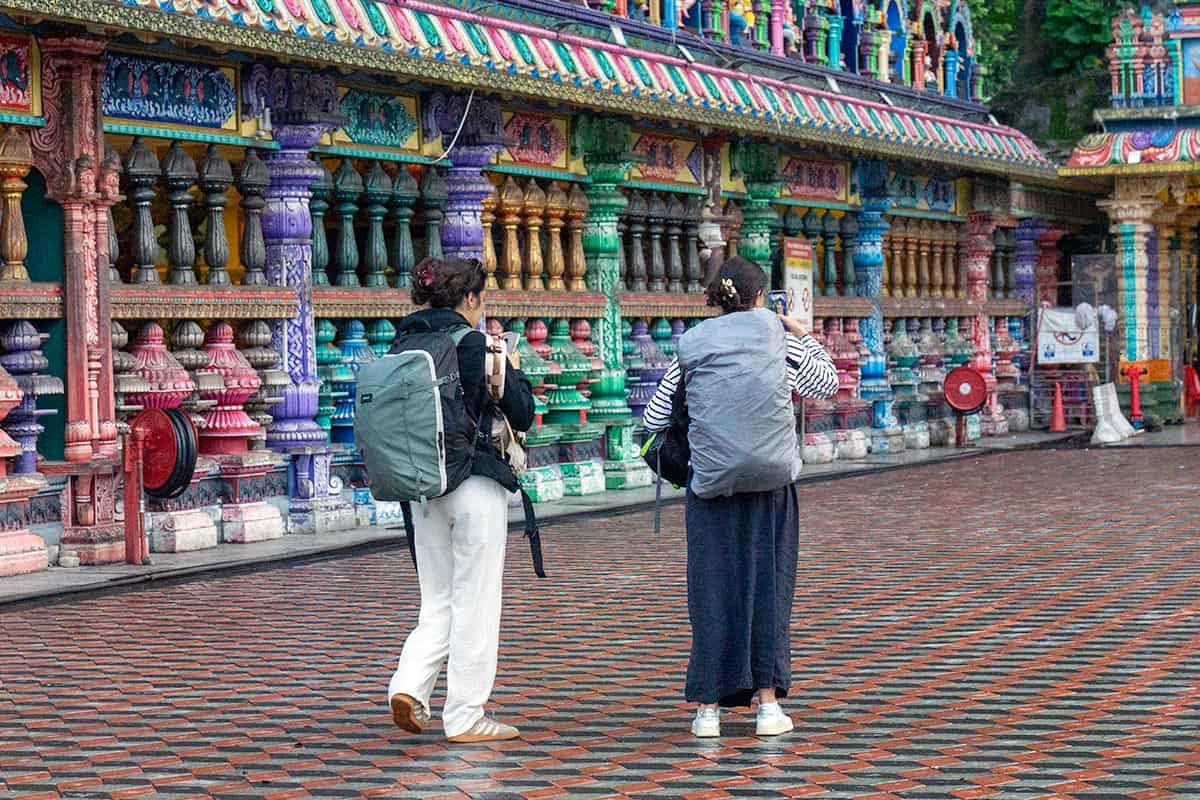
A self-visit makes sense if you’re on a tight budget, you’ve visited before and just want to return for photos, or you prefer exploring at your own pace without a schedule. It also works well if you’re already staying near the KTM Komuter line and can get to Batu Caves without any transfers.
Solo backpackers and experienced Southeast Asia travellers usually manage fine on their own. The site is safe, well-maintained, and English signage is available at key points.
If you go independently, plan to arrive early — before 8:00 AM if possible. The best visiting times are early morning and late afternoon, when heat and crowds are manageable. Wear clothing that covers your shoulders and knees (the dress code is strictly enforced), bring water, and keep your belongings secure from the resident monkeys.
Who Benefits Most From a Private Guide?
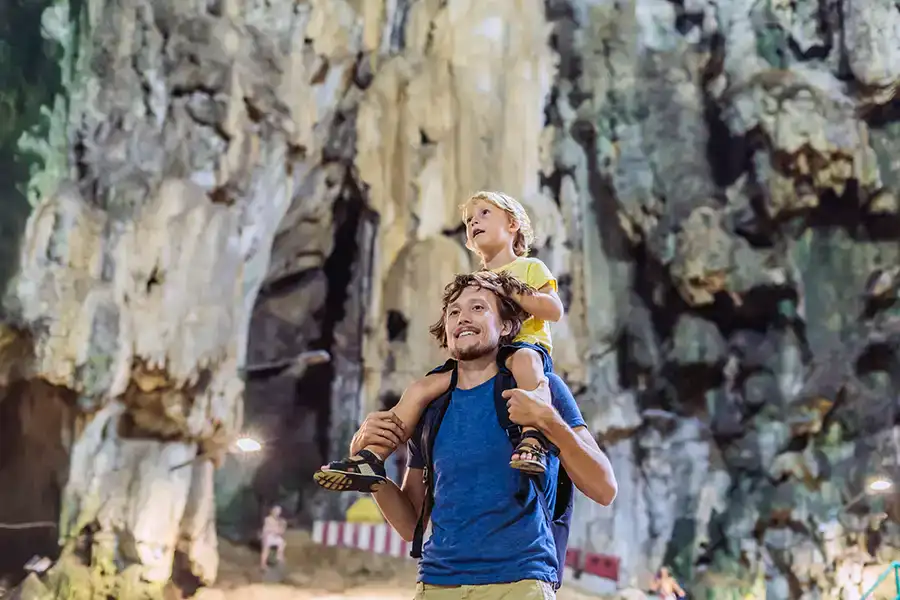
A guided tour tends to be the better choice for first-time visitors to Malaysia, families with children, older travellers who prefer door-to-door logistics, and anyone on a short stay who wants to see both Batu Caves and Kuala Lumpur’s city highlights in a single morning.
It’s also the practical choice when you’re combining Batu Caves with other destinations. Reaching Kuala Selangor for the fireflies by public transport, for example, is complicated and time-consuming. A private tour handles the 90-minute drive and coordinates the timing so you arrive at the river after dark when the fireflies are active.
Families with young children particularly benefit from having a vehicle. The KTM Komuter train can be infrequent (up to 40-minute waits), and managing tired children on a crowded platform after climbing 272 steps in tropical heat isn’t ideal.
Cruise passengers stopping in Port Klang on a shore excursion also tend to prefer guided options, since time is limited and navigating public transport from the port to Batu Caves and back requires multiple transfers.
Can You Combine Batu Caves With Other Attractions?
This is where the difference between self-visit and guided tour becomes most significant.
On your own, Batu Caves is typically a standalone trip — you go, you visit, you come back. Adding other destinations means navigating separate transport connections, which eats into your day.
With a private tour, combinations are built into the itinerary. The most popular options from Kuala Lumpur include:
- Batu Caves + KL City Highlights — covers the caves plus Kuala Lumpur’s main attractions in a half day
- Batu Caves + Fireflies — afternoon caves visit followed by an evening fireflies experience in Kuala Selangor
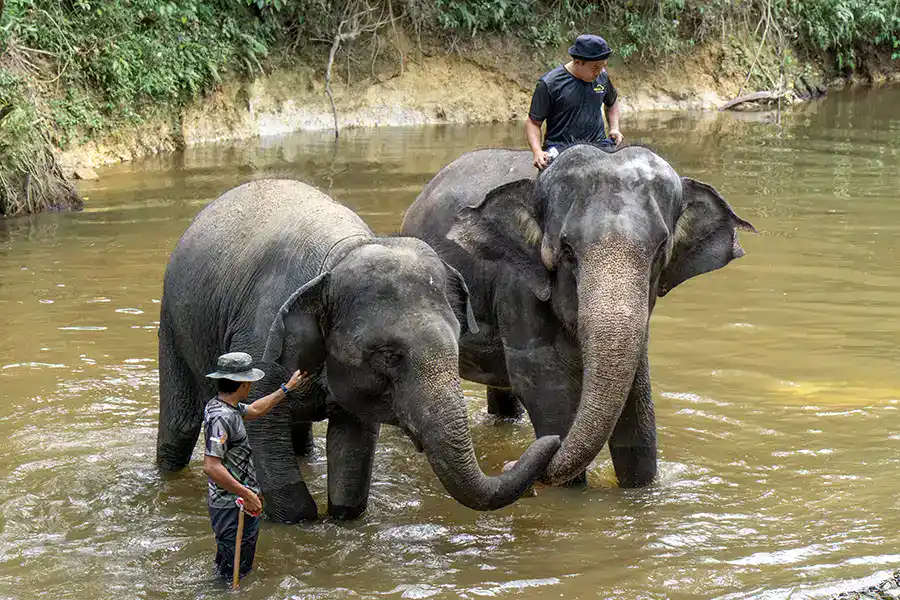
- Batu Caves + Elephant Sanctuary — a full day combining the caves with a visit to Kuala Gandah Elephant Conservation Centre
These combinations make the most sense for visitors who have limited days in Malaysia and want to see more without spending half their time on logistics.
Practical Tips for Either Option
Regardless of how you visit, a few things apply to everyone at Batu Caves:
Arrive early or late. The site opens daily from 5:30 AM. A morning visit to Batu Caves — arriving before 8:00 AM — is the best option for photography. The light is softer, crowds are thinner, and you’ll have the rainbow staircase largely to yourself. The best photography spots include the base of the staircase looking up with the Murugan statue in frame, the natural light opening inside the Temple Cave, and the panoramic view from the top of the steps looking out over the surrounding landscape. Late afternoon after 3:00 PM is another good window, when heat drops and tour groups have departed.
Dress appropriately. Shoulders and knees must be covered. This applies to everyone regardless of gender. If you arrive underdressed, sarong rentals are available at the base for RM 10, but bringing appropriate clothing avoids delays. Full details are in our Batu Caves Dress Code guide.
Watch the monkeys. The macaques around Batu Caves are bold and will grab food, water bottles, and shiny objects. Keep bags zipped and avoid eating near the staircase.
Bring water. There are no water points or toilets at the Temple Cave level. Hydrate before the climb and carry a sealed bottle.
Allow enough time. Even if you only visit the main Temple Cave, budget at least 90 minutes including the climb. If you want to explore Ramayana Cave and the lower temples, add another 30–45 minutes.
Frequently Asked Questions
Making Your Decision
If budget is your main priority and you’re comfortable navigating public transport in a foreign city, visit independently. You’ll see the same physical site and save money.
If understanding what you’re seeing matters to you, if you want to combine Batu Caves with other Kuala Lumpur attractions, or if you simply prefer having logistics handled for you, a private guided tour gives you a richer, more efficient experience.
If you’re arriving by cruise ship with a fixed return time, the Kuala Lumpur Cruise Excursion is built around that exact schedule.
Either way, Batu Caves is worth your time. Located just 13 km north of central Kuala Lumpur, it remains one of the most visually striking and culturally significant tourist attractions in Malaysia — and one of the best day trips from Kuala Lumpur whether you’re sightseeing on your own or exploring with a guide.
Whether you visit independently or with a guide, combine Batu Caves with the city. Our things to do in Kuala Lumpur guide covers everything worth doing in KL before or after your visit.