Ipoh Malaysia — A Local Guide to One of Asia’s Most Underrated Cities

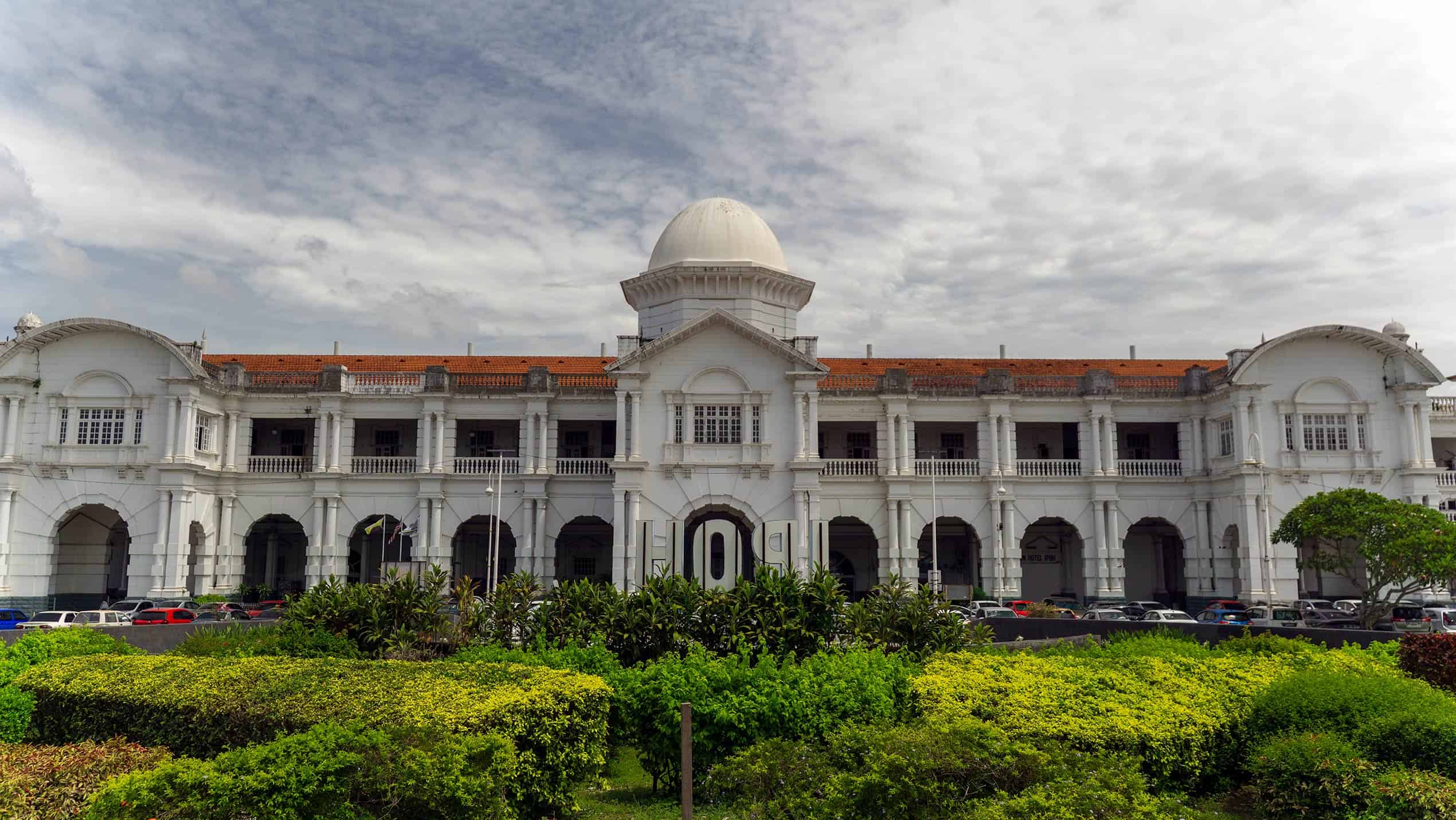
Ipoh often gets overlooked in favour of Penang or Cameron Highlands, but that’s exactly what makes it worth your time. This quiet city in the heart of Perak state has built a reputation as one of Malaysia’s best food destinations, and once you’ve had your first cup of white coffee in an old kopitiam or a plate of bean sprout chicken in the Old Town, you’ll understand why people make the detour.
Situated about two hours north of Kuala Lumpur, Ipoh sits naturally along the route between KL and Penang — which means most travellers pass right by it without stopping. The ones who do stop tend to wish they’d stayed longer.
Whether you’re planning a quick stopover on your way north or a proper overnight stay to explore the cave temples and limestone hills at your own pace, this guide covers everything you need to know about visiting Ipoh Malaysia — what to see, what to eat, how to get here, and how long to give it.
As one of the most rewarding destinations in Malaysia for food lovers and heritage travellers, Ipoh deserves a proper place on your itinerary.
Top Places to Visit in Ipoh Malaysia
Ipoh punches well above its size when it comes to things to see. The city’s attractions spread across three distinct zones — the heritage Old Town, the limestone cave temple belt to the south, and the wilder nature spots further out. Here are the places worth building your visit around. For a deeper look at each one, the things to do in Ipoh guide covers them in full detail.
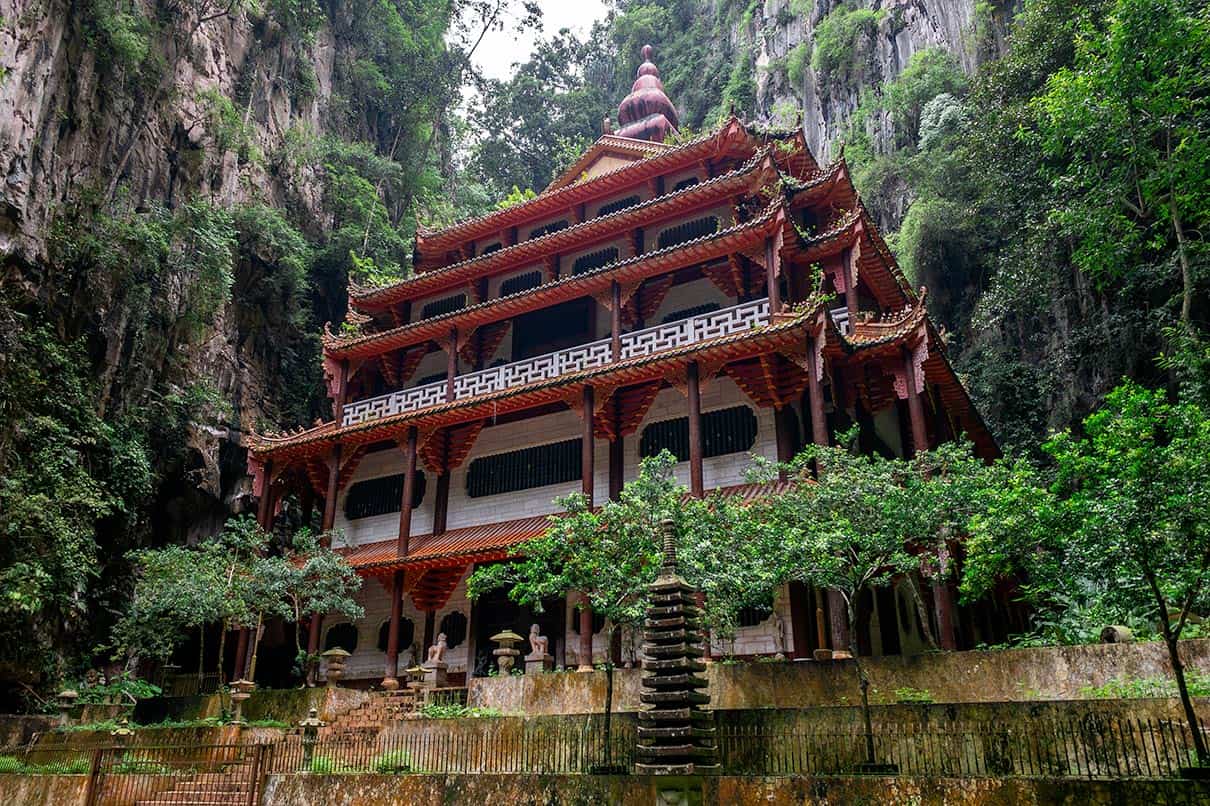
Sam Poh Tong Temple
Sam Poh Tong is the most visited cave temple in Ipoh and the easiest to reach from the city. Built into a dramatic limestone cliff, the temple complex includes a serene turtle pond, ornamental gardens, and a series of shrines set deep inside the cave. It’s a genuine highlight — calm, visually striking, and free to enter.
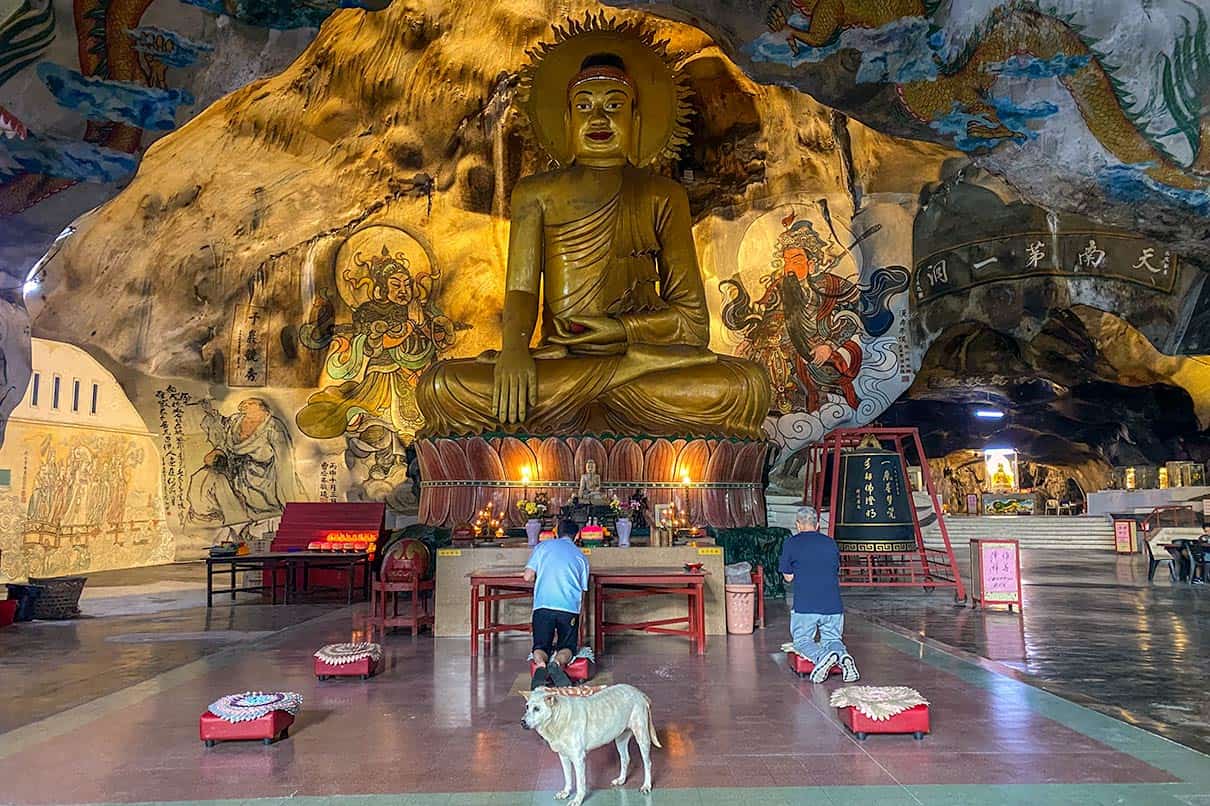
Perak Tong Cave Temple
Perak Tong sits about six kilometres north of the city centre and tends to be quieter than Sam Poh Tong. The temple climbs deep into the limestone hill, with over 400 steps leading to a viewpoint at the top that looks out over Ipoh’s karst landscape. The murals and Buddha statues inside are among the most impressive in northern Malaysia.
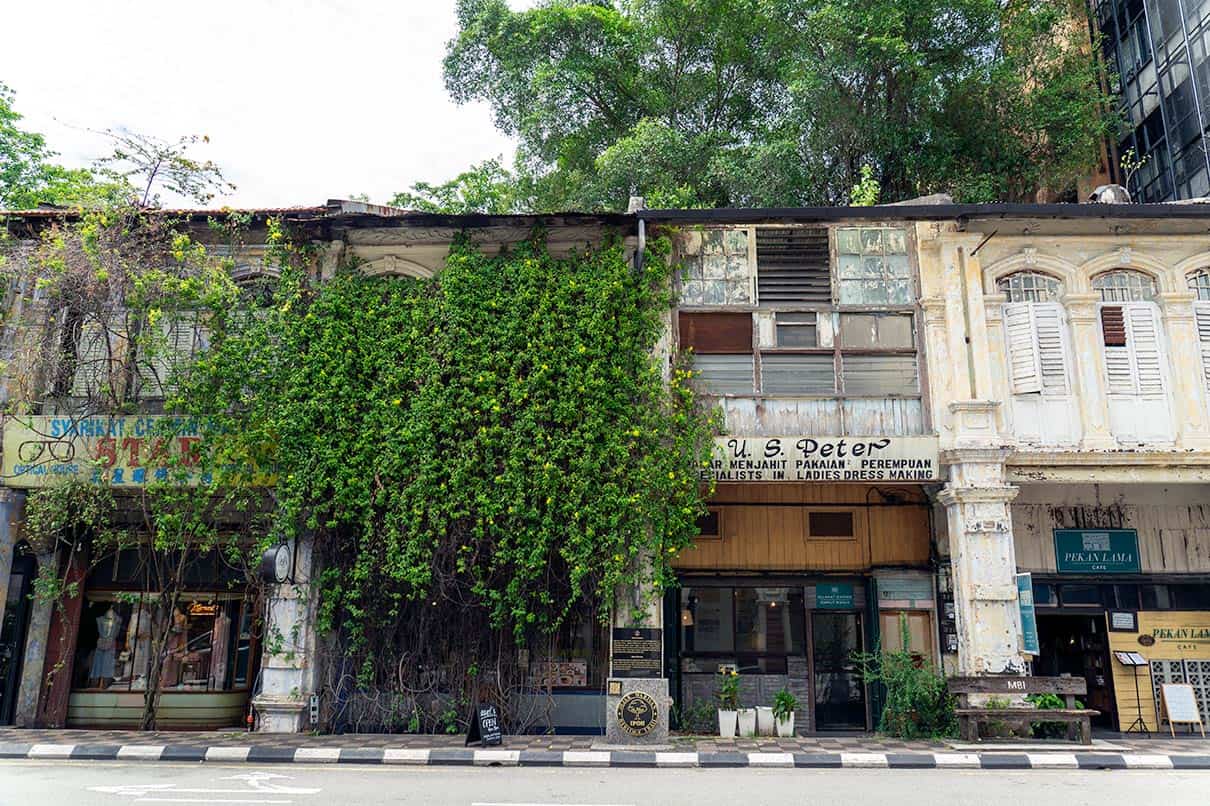
Ipoh Old Town
Ipoh Old Town is the beating heart of the city’s heritage trail. The streets are lined with pre-war shophouses, faded colonial architecture, and kopitiams that have been serving the same recipes for generations. It’s compact enough to walk in a morning, but interesting enough to fill an entire day if you let yourself slow down and explore.
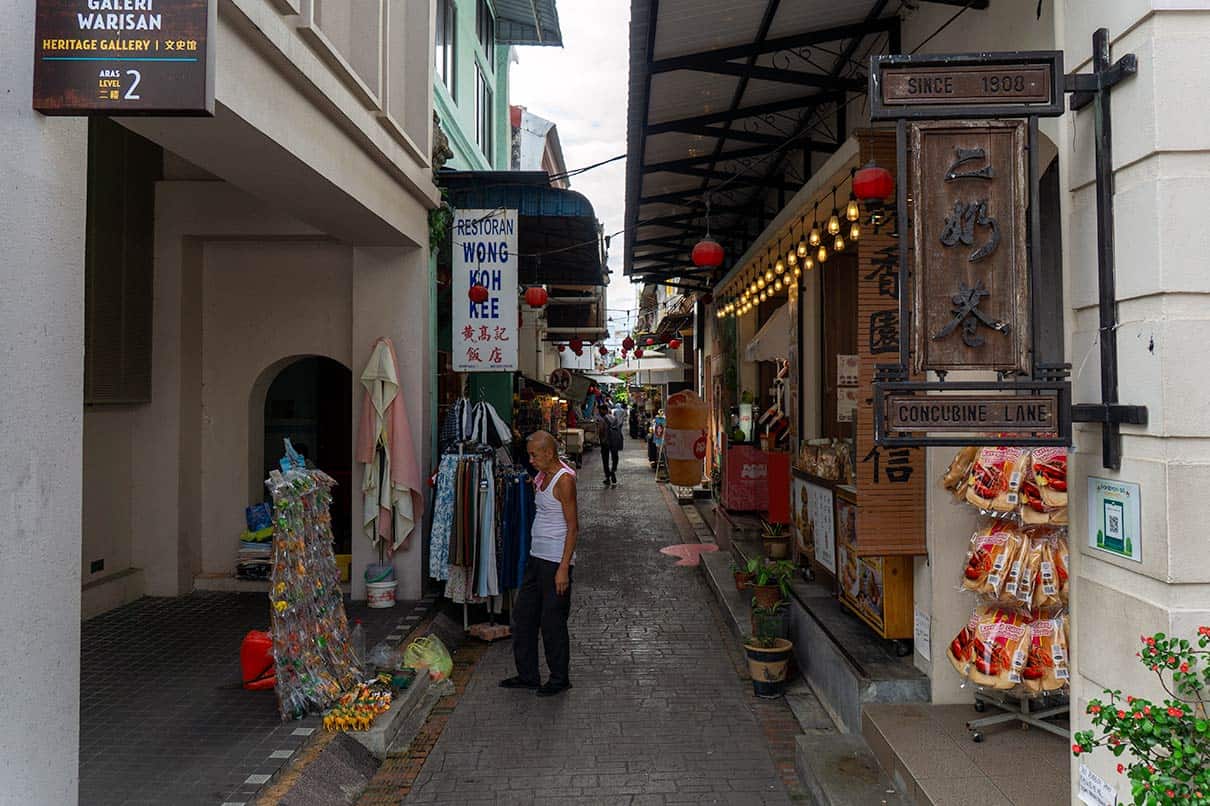
Concubine Lane
Concubine Lane — known locally as Lorong Panglima — is one of the most photographed streets in Ipoh. The narrow alley is packed with street food vendors, local snack shops, and small cafes, and it’s a good introduction to the Old Town atmosphere. It gets busy by mid-morning, so arriving early gives you a quieter and more enjoyable experience.
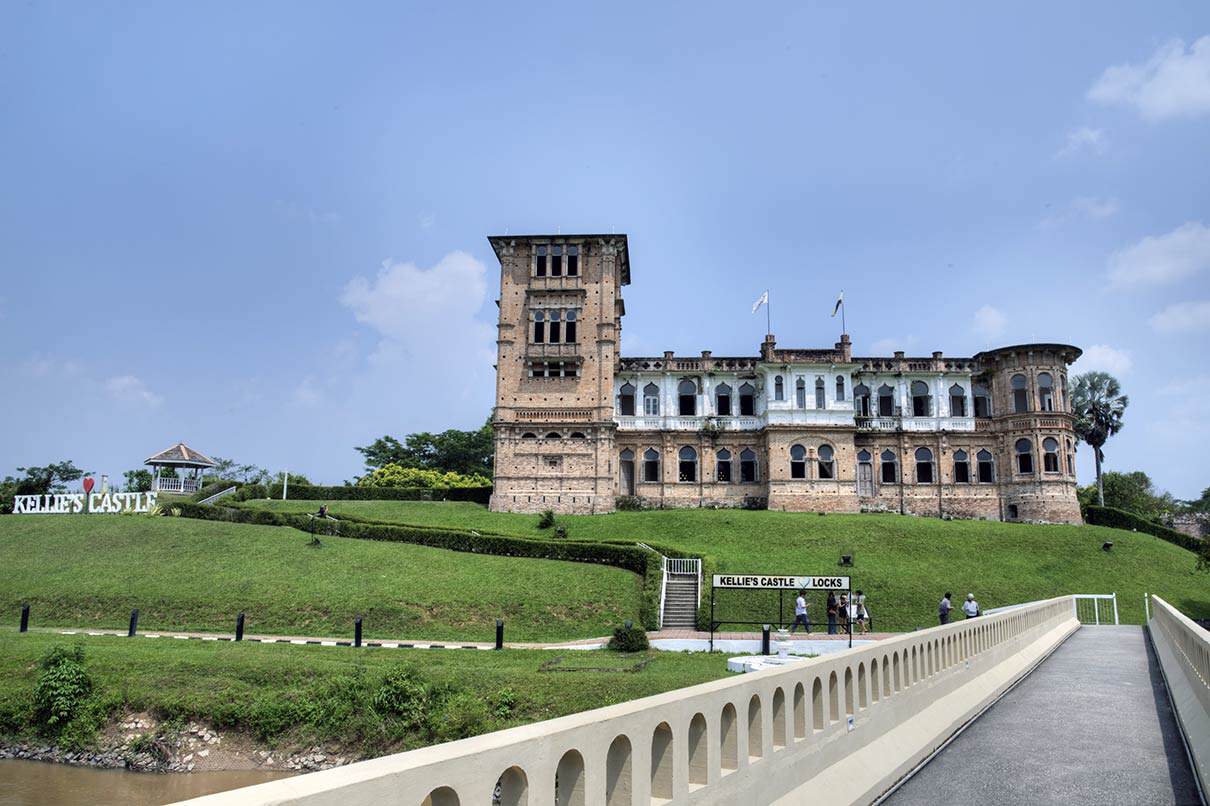
Kellie’s Castle
Kellie’s Castle is an unfinished colonial mansion about 15 kilometres south of Ipoh, started by Scottish planter William Kellie Smith in the early 1900s and never completed. The ruins sit in an open landscape and have a genuinely eerie atmosphere. It’s an easy add-on if you’re already heading toward the cave temples, and one of the more unusual stops in the Perak region.
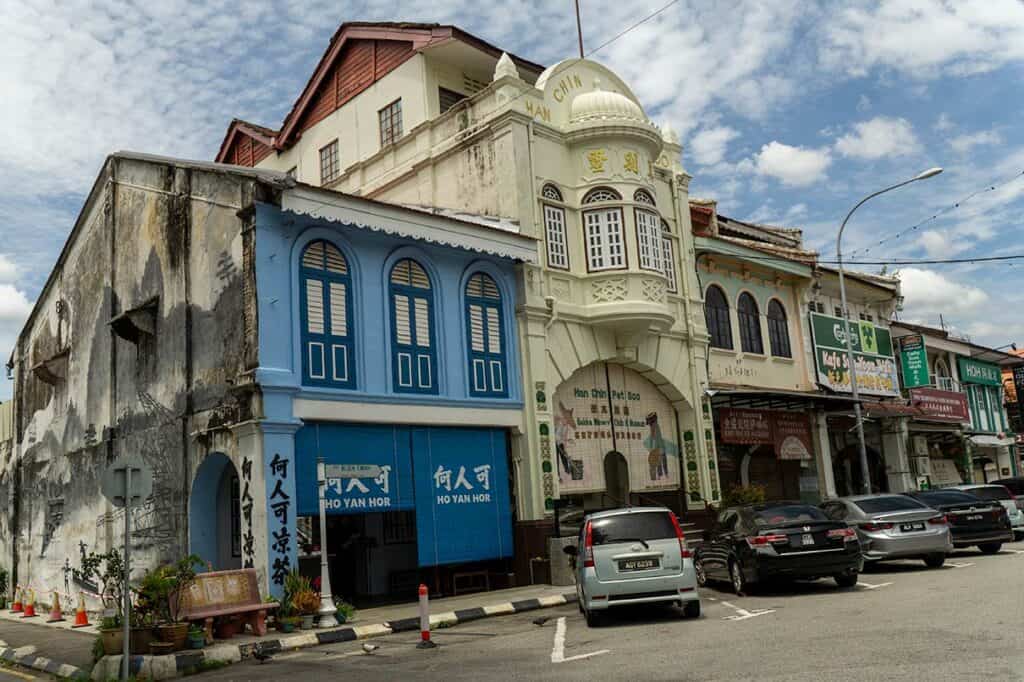
Han Chin Pet Soo
Han Chin Pet Soo is a restored Hakka mining club turned museum and one of the most overlooked attractions in Ipoh. It tells the story of the Hakka Chinese miners who built this city during the tin mining era — a story that explains why Ipoh exists at all. Entry is by guided tour on selected days so check opening hours before you visit. Right next door sits the Ho Yan Hor Museum, dedicated to the famous Malaysian herbal tea brand founded in Ipoh — worth combining both into one visit as they’re steps apart.
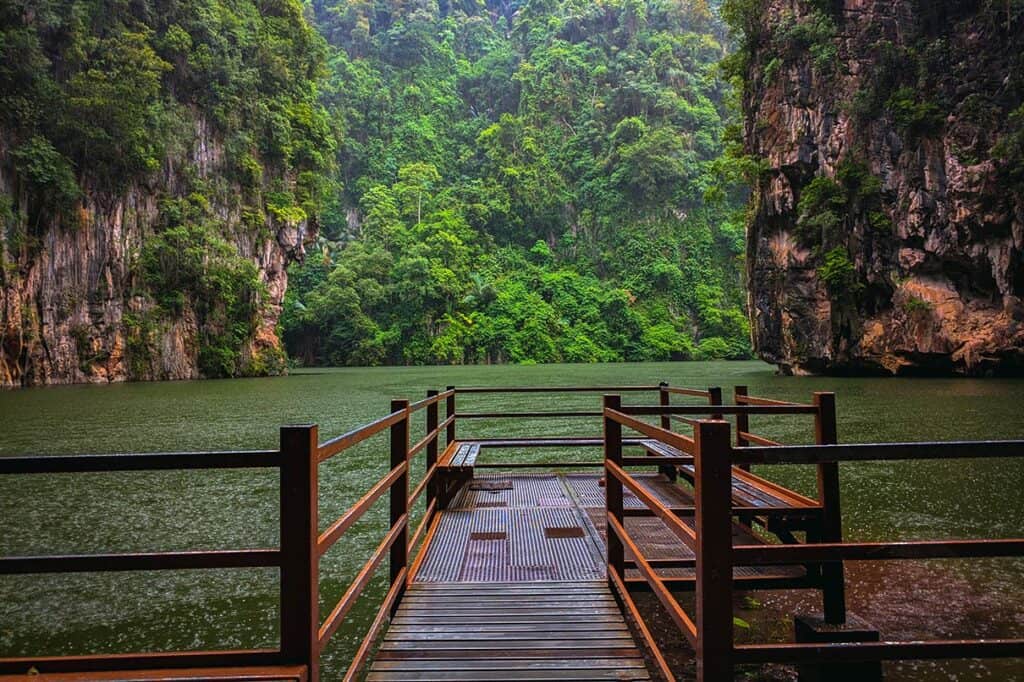
Tasik Cermin
Tasik Cermin — Mirror Lake — is a hidden lagoon tucked inside a limestone cave just outside Ipoh. To reach it you walk through a narrow cave passage and emerge into a still, sheltered lake surrounded by cliff walls. It’s a short visit but one of those places that genuinely surprises people. Best visited in the morning when the light filters through the cave opening.
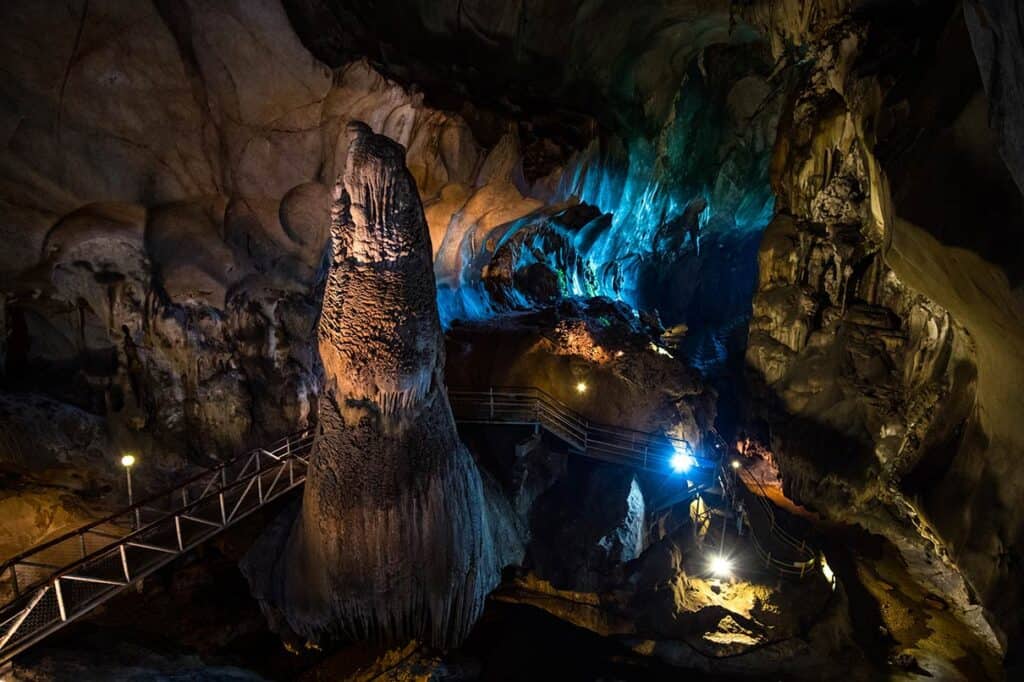
Gua Tempurung
Gua Tempurung is one of the largest limestone caves in Peninsular Malaysia, located about 24 kilometres south of Ipoh near Gopeng. The cave system has several tour options ranging from a short walkway tour to a full adventure route through underground rivers. If you have an extra half day and want something beyond temples and Old Town, this is the one to add.
Ipoh Food You Can’t Leave Without Trying
Ipoh has a food reputation that punches way beyond its size. This city is responsible for some of Malaysia’s most iconic dishes, and for many travellers the food alone is reason enough to stop here. The Old Town kopitiams have been perfecting the same recipes for generations, and the combination of fresh local produce, good water, and Hakka culinary tradition has produced something genuinely worth going out of your way for. For a full breakdown of where to eat each dish, the Ipoh food guide has everything you need.
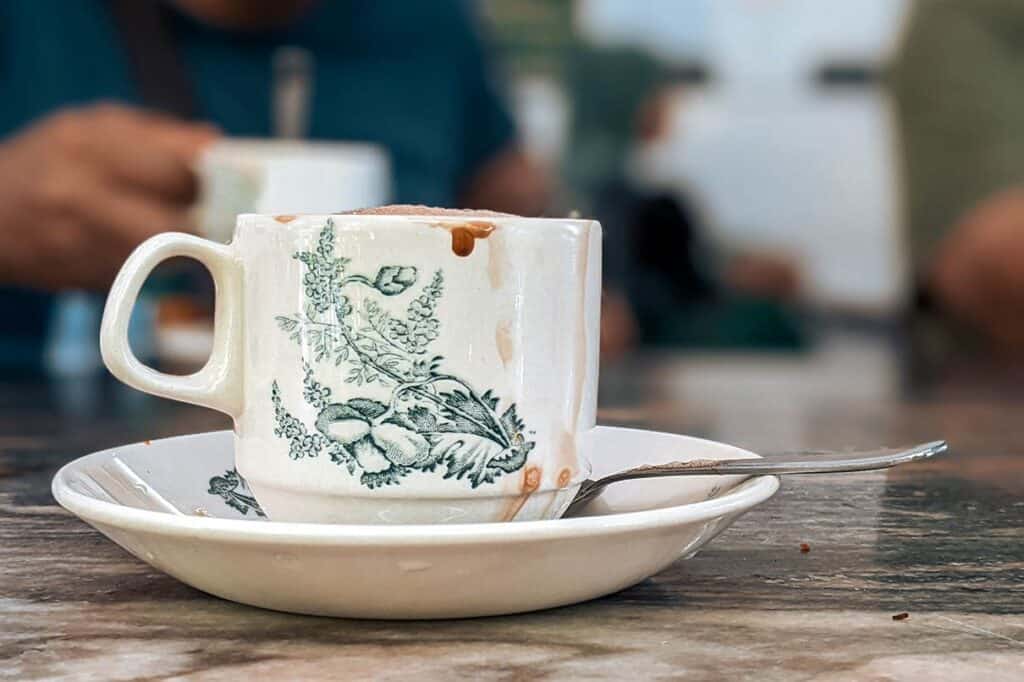
Ipoh White Coffee
Ipoh white coffee is the city’s most famous export and the one thing you absolutely cannot leave without trying. It’s made by roasting coffee beans with palm oil margarine rather than the usual sugar and wheat, producing a smoother, lighter cup with a natural sweetness. Order it at any Old Town kopitiam and drink it the way locals do — slow, with a char kway or a slice of kaya toast on the side.
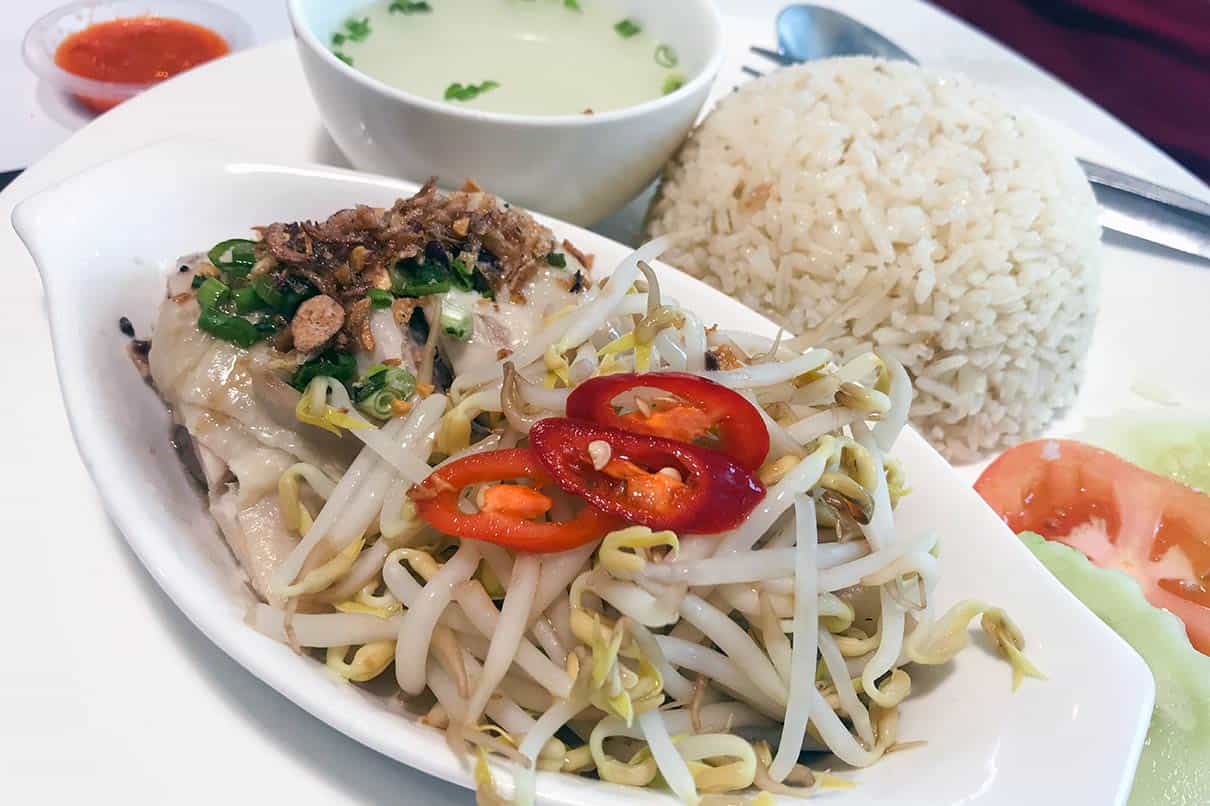
Bean Sprout Chicken
Bean sprout chicken sounds deceptively simple but the combination is what makes it special. Ipoh’s natural spring water is widely credited for producing unusually crisp, fat bean sprouts — a claim locals take seriously. Paired with tender poached chicken and served with a bowl of flat rice noodles, it’s one of those dishes that’s hard to explain until you’ve tried it. Most visitors are surprised by how good it actually is.
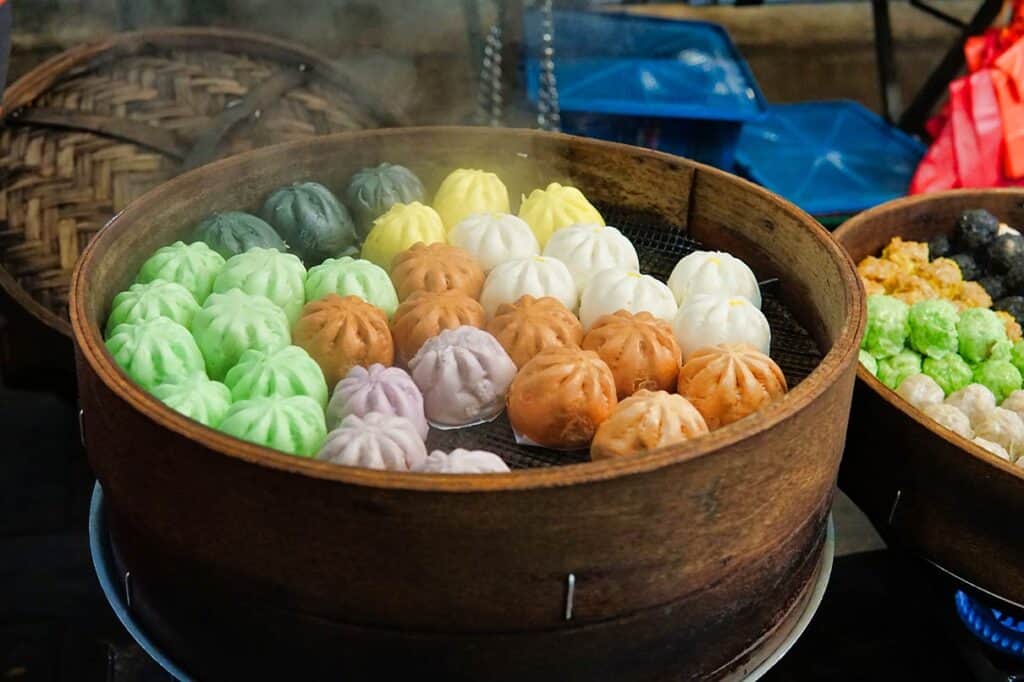
Dim Sum
Ipoh’s dim sum scene goes beyond the restaurant — colourful steamed bao at street stalls are a morning institution. The Old Town is dotted with dim sum spots that open early and close once the food runs out, usually by late morning. Go early, expect a crowd, and order more than you think you need.
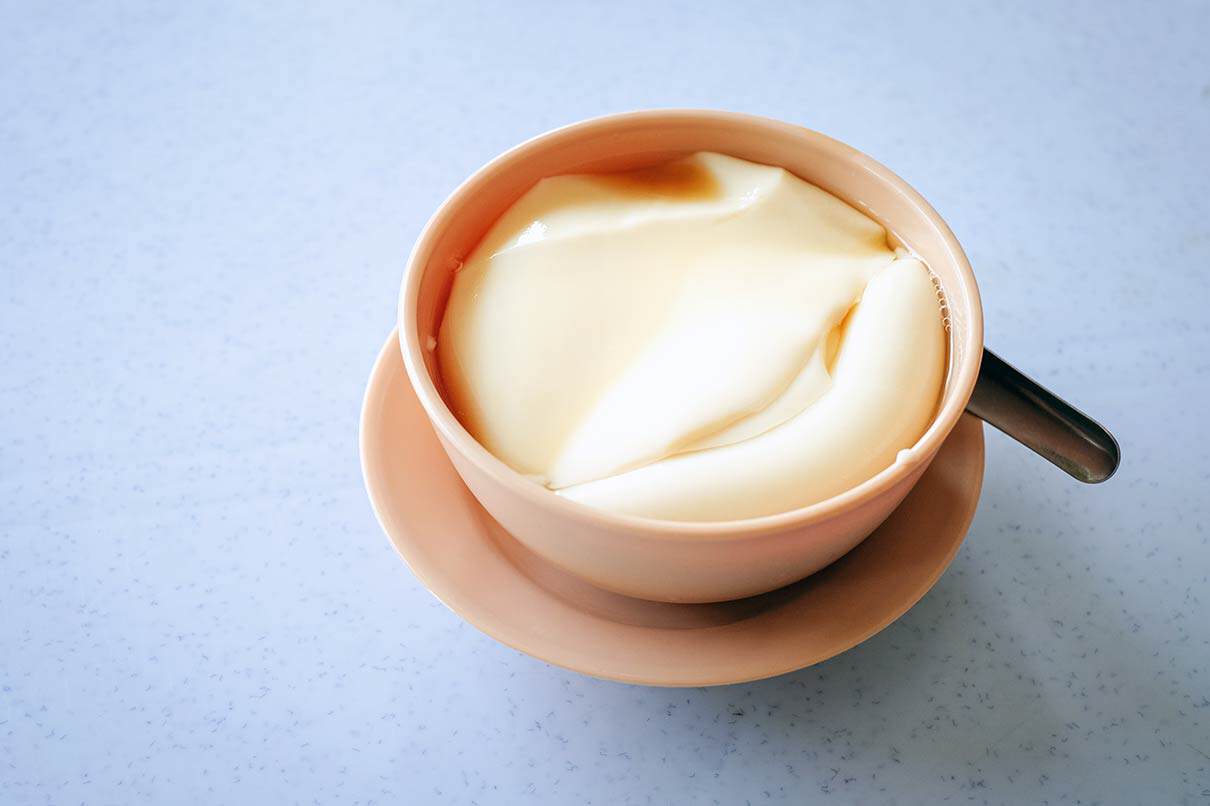
Tau Foo Fah
Tau foo fah is silken tofu served warm in a light sugar syrup, and in Ipoh it reaches a different level entirely. The texture is almost impossibly smooth — the result of the same soft local water that makes the bean sprouts worth travelling for. It’s a simple dish but locals are particular about where they get it, which tells you something. Eat it as a mid-morning snack between the kopitiam and the cave temples.

Curry Mee
Ipoh curry mee is a rich, coconut-heavy noodle soup with a depth of flavour that sets it apart from the KL version. The broth is darker and more complex, typically served with yellow noodles and vermicelli, cockles, tofu puffs, and a dollop of sambal on the side. It’s a proper breakfast dish — filling, fragrant, and exactly what you want before a morning of walking through the Old Town.
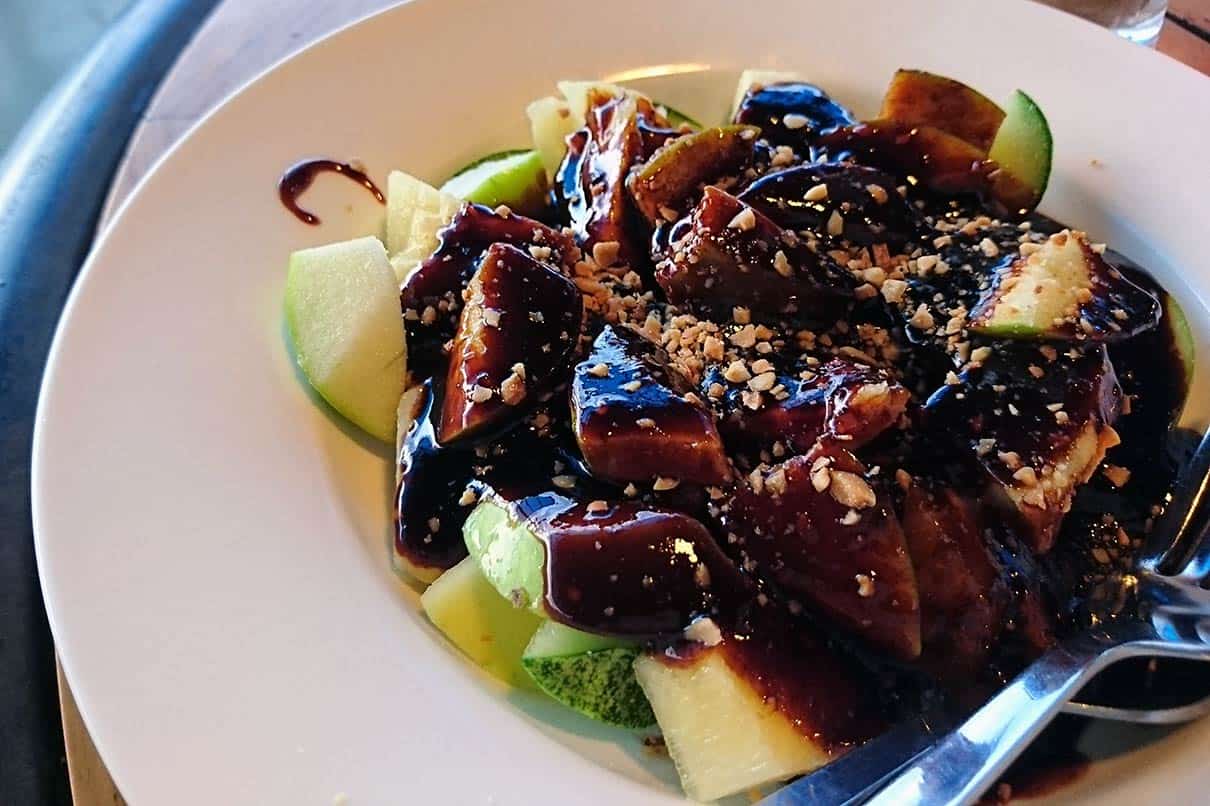
Ipoh Rojak
Ipoh rojak is a fruit and vegetable salad tossed in a thick prawn paste sauce with crushed peanuts and you tiao — fried dough fritters. The Ipoh version tends to be crunchier and less sweet than what you’d find in KL or Penang, with a stronger prawn paste base. It’s a popular late afternoon snack in the Old Town and a good way to round off a food-focused day in the city.
How Long Should You Spend in Ipoh?
The honest answer depends on what you want from Ipoh. As a stopover it rewards you quickly — a few hours is enough to hit the Old Town, eat well, and leave satisfied. But the city has more depth than that, and an overnight stay unlocks a completely different experience. For a full breakdown of how to plan your time, the Ipoh travel guide covers both options in detail.
Stopover (Half Day)
If you’re passing through on the way to Penang or heading back to KL, a half-day stopover is very doable and genuinely worthwhile. Focus on these three:
- Sam Poh Tong Temple — 45 minutes, easy to reach by e-hailing
- Ipoh Old Town — 1 to 1.5 hours, walk Concubine Lane and the heritage streets
- Bean sprout chicken — lunch or early dinner in the Old Town before you leave
Most travellers doing Ipoh as a stopover are mid-journey with luggage — which makes a private transfer from Kuala Lumpur to Penang the most practical option. Your bags stay in the vehicle, you stop in Ipoh for a few hours, and continue north without the hassle of managing luggage across trains and bus terminals.
Overnight Stay
An overnight stay lets you move at a slower pace and reach the spots that reward the extra time. Build your two days around these:
- Perak Tong Cave Temple — quieter, more dramatic than Sam Poh Tong
- Sam Poh Tong Temple — worth visiting even if you saw it on day one
- Ipoh Old Town — spend a proper morning, not just an hour
- Birch Memorial Clock Tower — colonial landmark in the heart of New Town
- Gua Tempurung — limestone cave system near Gopeng, half-day activity
How to Get to Ipoh from Kuala Lumpur
Ipoh Malaysia sits about 200 kilometres north of Kuala Lumpur — roughly two hours away depending on how you travel. There are three main options: the KTM ETS train from KL Sentral (the most popular for independent travellers), bus from TBS terminal, or a private transfer if you’re travelling with family or want the flexibility to stop along the way.
Each option has its trade-offs in terms of cost, convenience, and arrival point. For a full breakdown of journey times, prices, and which option suits your trip, the Kuala Lumpur to Ipoh transport guide covers everything in detail.
How to Include Ipoh in Your Malaysia Overland Route
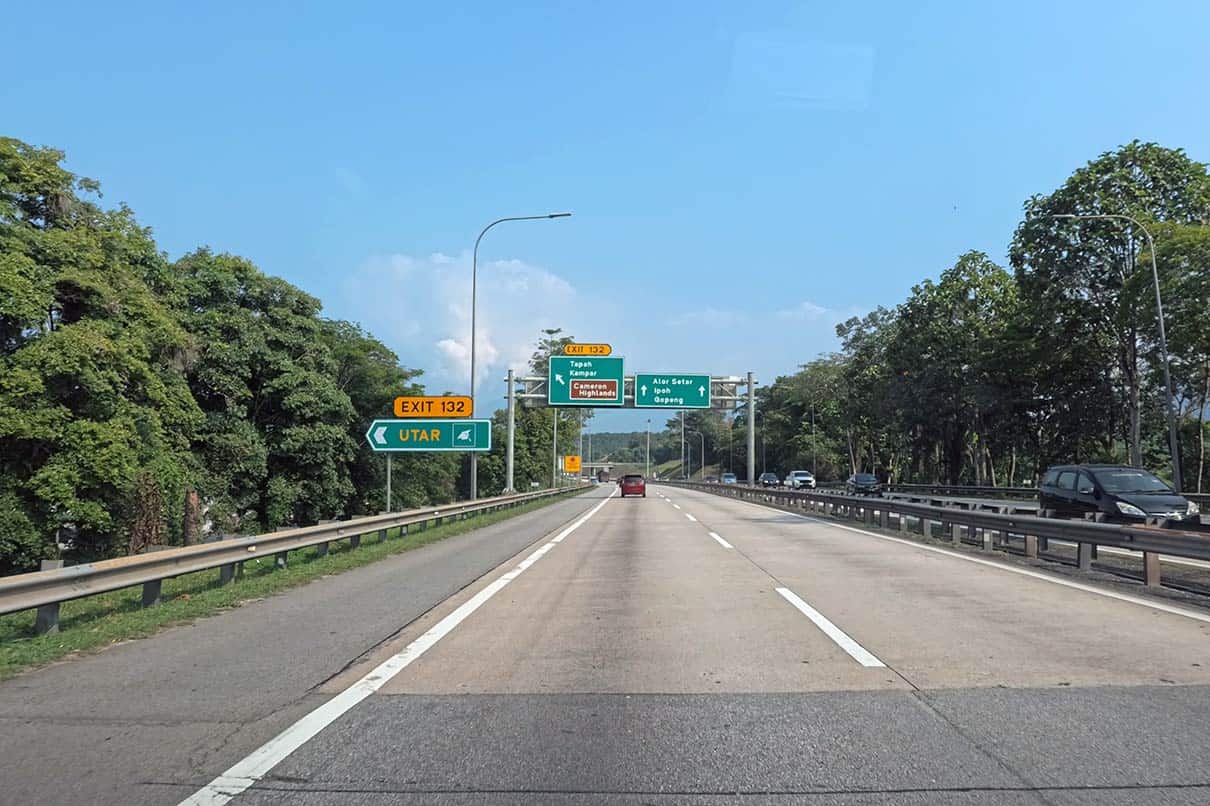
Ipoh works best when it’s part of a bigger journey rather than a standalone destination. The most popular overland route through northern Malaysia runs from Kuala Lumpur north through Taman Negara, up through Cameron Highlands, into Ipoh, and finally on to Penang — a route that covers jungle, highlands, heritage, and food in one logical sweep without doubling back.
The Classic Northern Malaysia Overland Route
- Kuala Lumpur → Starting point — 2 to 3 nights
- Taman Negara → Jungle trekking and wildlife — 2 nights minimum
- Cameron Highlands → Tea plantations and cool highland air — 2 nights
- Ipoh → Heritage, cave temples, and food — 1 to 2 nights
- Penang → Street food and George Town heritage — 2 to 3 nights
This route covers roughly 10 to 14 days and is one of the most rewarding ways to experience the diversity of peninsular Malaysia in a single trip. Ipoh slots naturally into the middle — close enough to Cameron Highlands for a comfortable drive and well-positioned for the final leg into Penang.
Ipoh as a Stopover on the Drive North
If your itinerary doesn’t allow an overnight stay, Ipoh works perfectly as a half-day stopover between Cameron Highlands and Penang. The drive from Cameron Highlands to Ipoh takes about an hour, leaving plenty of time for a cave temple visit, an Old Town walk, and lunch before continuing north. A private transfer from Kuala Lumpur to Penang can be routed through Ipoh with a planned stop — your bags stay in the vehicle and you explore at your own pace before continuing the journey.
Ipoh Malaysia Weather and Best Time to Visit
Ipoh Malaysia is a year-round destination but some months are more comfortable than others. The city sits in a valley surrounded by limestone hills, which keeps temperatures fairly consistent — warm and humid throughout the year with afternoon temperatures typically sitting between 32°C and 35°C.
Dry Season — November to February
The driest and most comfortable months to visit Ipoh fall between November and February. Mornings are cooler, humidity is lower, and you’re less likely to get caught in a heavy afternoon downpour during your Old Town walk or cave temple visit. December and January are peak travel months across Malaysia, so expect slightly more visitors at popular spots like Sam Poh Tong during this period.
Wet Season — March to October
Rain is possible year-round in Ipoh but the wetter months run broadly from March through October. Afternoon showers are common but usually short — typically an hour or less — so they rarely derail a full day of sightseeing. The cave temples and kopitiams give you natural shelter, which makes Ipoh more rain-tolerant than an outdoor-heavy destination like Cameron Highlands.
Thaipusam at the Cave Temples
If your dates align, Thaipusam is one of the most extraordinary things you can witness in Ipoh. The Hindu festival draws thousands of devotees to the limestone cave temples — particularly Perak Tong and Sam Poh Tong — for a procession that’s visually unlike anything else in Malaysia. Dates shift each year based on the Hindu calendar, typically falling in January or February. It’s worth checking dates before you book if this is something you want to experience.
Avoiding Peak Domestic Crowds
Malaysian public holidays and school holidays bring a noticeable surge of domestic tourists to Ipoh, particularly at the Old Town cafes and cave temples. If you’re visiting during Hari Raya, Chinese New Year, or the mid-year school break, book accommodation early and plan to visit popular spots before 10am.
For broader Malaysia trip planning context, the Malaysia travel guide covers the best times to visit across all destinations.
Where to Stay in Ipoh Malaysia
Where you stay in Ipoh Malaysia depends less on budget and more on how you’re getting around. The city is compact and easy to navigate, but your transport situation makes a real difference to which area works best for you.
If you’re arriving by train or bus and relying on public transport, stay in the Old Town. Ipoh Railway Station sits right at the edge of the Old Town, which means you can walk to your hotel with your luggage and spend the entire visit on foot or by short e-hailing rides. It’s the most practical base for independent travellers without a vehicle.
If you’re driving, coming with a private driver, or have hired a private guide for your stay, you have more flexibility. The cave temples, Tambun, and Gua Tempurung are all reachable by road without any hassle, which means staying in the New Town for better value or out in the Tambun area for a resort experience both become genuinely practical options.
As a general guide:
- Old Town — best for train and bus travellers, walkable, heritage atmosphere, boutique shophouse hotels
- New Town — best for drivers who want better value, short ride across the Kinta River from all attractions
- Tambun — best for resort-style stays, suits couples and travellers with a private vehicle or guide
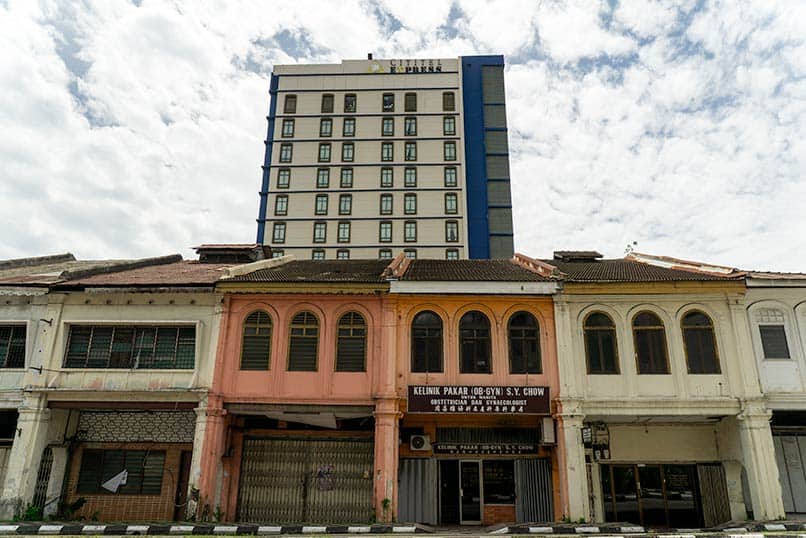
Old Town — Best for First-Time Visitors
The Old Town puts you within walking distance of the heritage streets, kopitiams, and Concubine Lane. Most boutique hotels here are converted pre-war shophouses with characterful interiors. If this is your first visit to Ipoh, this is the right base.
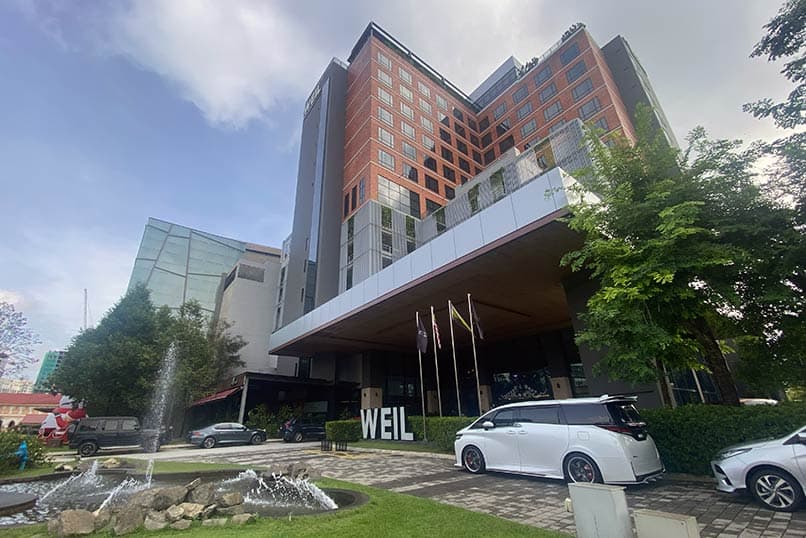
New Town — Best Value for Money
The New Town sits across the Kinta River and offers a wider range of hotels from budget to 4-star — all at rates significantly lower than equivalent hotels in Kuala Lumpur. A short e-hailing ride from the Old Town, it’s a solid base if Old Town boutique hotels are fully booked or outside your budget.
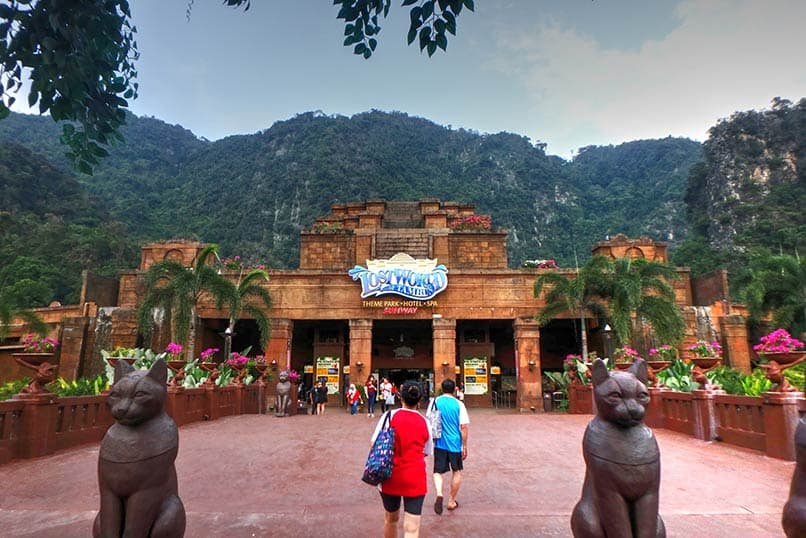
Tambun — Best for a Resort Experience
The Tambun area, about 10 kilometres east of the city centre, is home to Ipoh’s resort-style accommodation. It suits travellers who want to relax and do the city attractions as day trips rather than on foot. Quieter, more spread out, and better suited to couples.
Is Ipoh Worth Visiting?
The short answer is yes — but with a clear-eyed understanding of what Ipoh is and what it isn’t.
Ipoh is not a beach destination, it doesn’t have the density of Penang’s heritage trail, and it won’t fill five days on its own. What it does have is a genuinely relaxed pace, an outstanding food scene, cave temples that most international tourists haven’t discovered yet, and a colonial heritage that tells a different story from the rest of Malaysia — one rooted in tin mining, Hakka immigration, and a prosperity that shaped the entire region.
Who Ipoh Is Perfect For
- Travellers heading between KL and Penang who want a meaningful stop rather than just a transit point
- Food lovers who want to eat seriously without the crowds of George Town
- First-time Malaysia visitors who want a taste of small-city Malaysian life outside of KL
- Anyone interested in cave temples, limestone landscapes, and heritage architecture who isn’t looking for a beach holiday
Who Might Be Disappointed
- Travellers expecting the same depth and density as Penang — Ipoh is smaller and quieter
- Anyone looking for nightlife or a wide range of evening activities
- Visitors with only an hour to spare — Ipoh rewards time, even if just half a day
Practical Tips for Visiting Ipoh Malaysia
A few things worth knowing before you arrive that will make your visit run more smoothly.
Getting Around Ipoh
E-hailing and taxis are readily available in Ipoh for getting between the Old Town, cave temples, and Tambun. That said, the Old Town itself is best explored on foot — the streets are compact, flat, and interesting enough that walking is genuinely the better option once you’re in the area. Don’t rely on public buses as a visitor — the routes are not tourist-friendly and the waiting times are unpredictable.
Cash vs Card
Ipoh is still largely a cash city, particularly at the older kopitiams, street food stalls, and smaller temple entrances. Bring enough ringgit for meals, e-hailing rides, and small entrance fees. The newer cafes and hotels in the Old Town increasingly accept card and e-wallet payments, but don’t assume — especially at the places you most want to eat.
What to Wear at the Cave Temples
The cave temples are active religious sites. Dress modestly — shoulders and knees covered — and remove your shoes before entering the inner shrine areas. It’s worth keeping a light layer in your bag if you’re planning to visit multiple temples in one day.
How Much Time to Budget
If you’re doing a stopover, three to four hours is the realistic minimum to cover Sam Poh Tong and the Old Town properly — any less and you’ll feel rushed rather than relaxed. For a first-time visitor doing an overnight stay, two full days is the sweet spot — enough time to move at a comfortable pace without running out of things to do.
Language and Safety
English is widely spoken in Ipoh, particularly in the Old Town cafes and tourist-facing businesses. The city is safe and walkable during the day. As with anywhere in Malaysia, be sensible with your belongings in crowded areas like Concubine Lane during peak hours.
Frequently Asked Questions About Visiting Ipoh Malaysia
Last verified: May 2026