Pahang Travel Guide – Nature, Highlands, Rainforest, and Unique Local Experiences

Pahang is one of those places in Malaysia where the landscape changes noticeably as you travel. Within the same state, you’ll find cool highlands, dense rainforest, wide rivers, and quiet coastal stretches. For travellers who want to experience Malaysia beyond its cities, Pahang often becomes a natural next step.
This Pahang travel guide is designed to help you understand what the state offers and how its main destinations fit together. Cameron Highlands, Taman Negara, Kuala Gandah Elephant Sanctuary, Genting Highlands, and Cherating each provide very different experiences, and not all of them suit the same travel style or timeframe. Some places work well as short escapes from Kuala Lumpur, while others are better enjoyed with an overnight stay.
If you are still shaping your overall route, it helps to see Pahang in the wider context of the Malaysia Travel Guide, where destinations are grouped by region and travel style. You can also browse the full list of Destinations in Malaysia to compare Pahang with other parts of the country before deciding where it fits into your itinerary.
Rather than listing attractions without context, this guide focuses on practical decisions. It explains where Pahang makes sense in a Malaysia itinerary, how much time to allow, and what kind of experience you can realistically expect from each area. For first-time visitors and repeat travellers alike, Pahang often connects the highlands, rainforest, and quieter side of Malaysia into a single journey.
Why Visit Pahang, Malaysia
Pahang stands out because it offers very different experiences within a single state. You can move from cool highlands to deep rainforest, then on to riverside towns or the coast, without covering huge distances. For travellers who want variety without constant packing and unpacking, that balance matters.
What also makes Pahang appealing is that it doesn’t feel overdeveloped across the board. Some areas are well set up for visitors, while others remain quieter and more rural. This gives you flexibility. You can choose comfortable bases with good facilities or spend time in places where nature takes the lead and schedules slow down.
Pahang suits travellers who enjoy planning with intention rather than ticking off as many sights as possible. It works well for those interested in scenery, wildlife, and outdoor experiences, but it also accommodates different comfort levels. You can stay in resort-style accommodation, simple guesthouses, or nature lodges, depending on where you go and how you travel.
Another reason travellers include Pahang is its location. Being relatively close to Kuala Lumpur makes it accessible, yet once you arrive, the atmosphere feels noticeably different from the capital. This contrast is why Pahang often fits naturally into a first trip to Malaysia, especially for visitors looking to balance city time with nature and quieter surroundings.
Pahang stands out because it offers very different experiences within a single state. You can move from cool highlands to deep rainforest, then on to riverside towns or the coast, without covering huge distances. For travellers who want variety without constant packing and unpacking, that balance matters.
What also makes Pahang appealing is that it doesn’t feel overdeveloped across the board. Some areas are well set up for visitors, while others remain quieter and more rural. This gives you flexibility. You can choose comfortable bases with good facilities or spend time in places where nature takes the lead and schedules slow down.
Pahang suits travellers who enjoy planning with intention rather than ticking off as many sights as possible. It works well for those interested in scenery, wildlife, and outdoor experiences, but it also accommodates different comfort levels. You can stay in resort-style accommodation, simple guesthouses, or nature lodges, depending on where you go and how you travel.
Another reason travellers include Pahang is its location. Being relatively close to Kuala Lumpur makes it accessible, yet once you arrive, the atmosphere feels noticeably different from the capital. This contrast is why Pahang often fits naturally into a first trip to Malaysia, especially for visitors looking to balance city time with nature and quieter surroundings.
If you’re ready, the next section will look at where Pahang is located and how that affects travel planning and routing.
Where Is Pahang Located
Pahang is located on the east side of Peninsular Malaysia and is the country’s largest state by land area. It sits between the central spine of the peninsula and the South China Sea, which explains why the landscape shifts so noticeably as you move through it. Highlands rise in the west, dense rainforest covers much of the interior, and flatter coastal areas stretch toward the east.
From a travel planning point of view, Pahang’s location works in your favour. Many of its main entry points are within a few hours of Kuala Lumpur by road, making it possible to visit as part of a wider itinerary rather than a standalone trip. This is why places like Cameron Highlands, Genting Highlands, and Kuala Gandah are often considered together with time in the capital.
Routing matters in Pahang more than in compact city destinations. Distances can look short on a map, but roads often pass through hills, forest, or rural areas, which significantly affects travel time. For example, travelling from the highlands to the rainforest interior usually takes longer than visitors expect, and coastal areas such as Cherating feel more relaxed but require more commitment to reach.
Because of this, Pahang destinations is best planned in clusters. Travellers usually combine nearby areas rather than trying to cover everything in one go. Understanding where Pahang sits geographically helps you decide whether a destination works as a day trip, needs an overnight stay, or fits better as part of a longer loop through Malaysia.
Top Places to Visit in Pahang
Pahang is best understood by looking at its main destinations side by side. Each area offers a different type of experience, and they don’t all suit the same pace or length of stay. Some are easy to combine in a single trip, while others work better when given more time. The sections below introduce the key places most travellers consider and explain how they differ.

Cameron Highlands
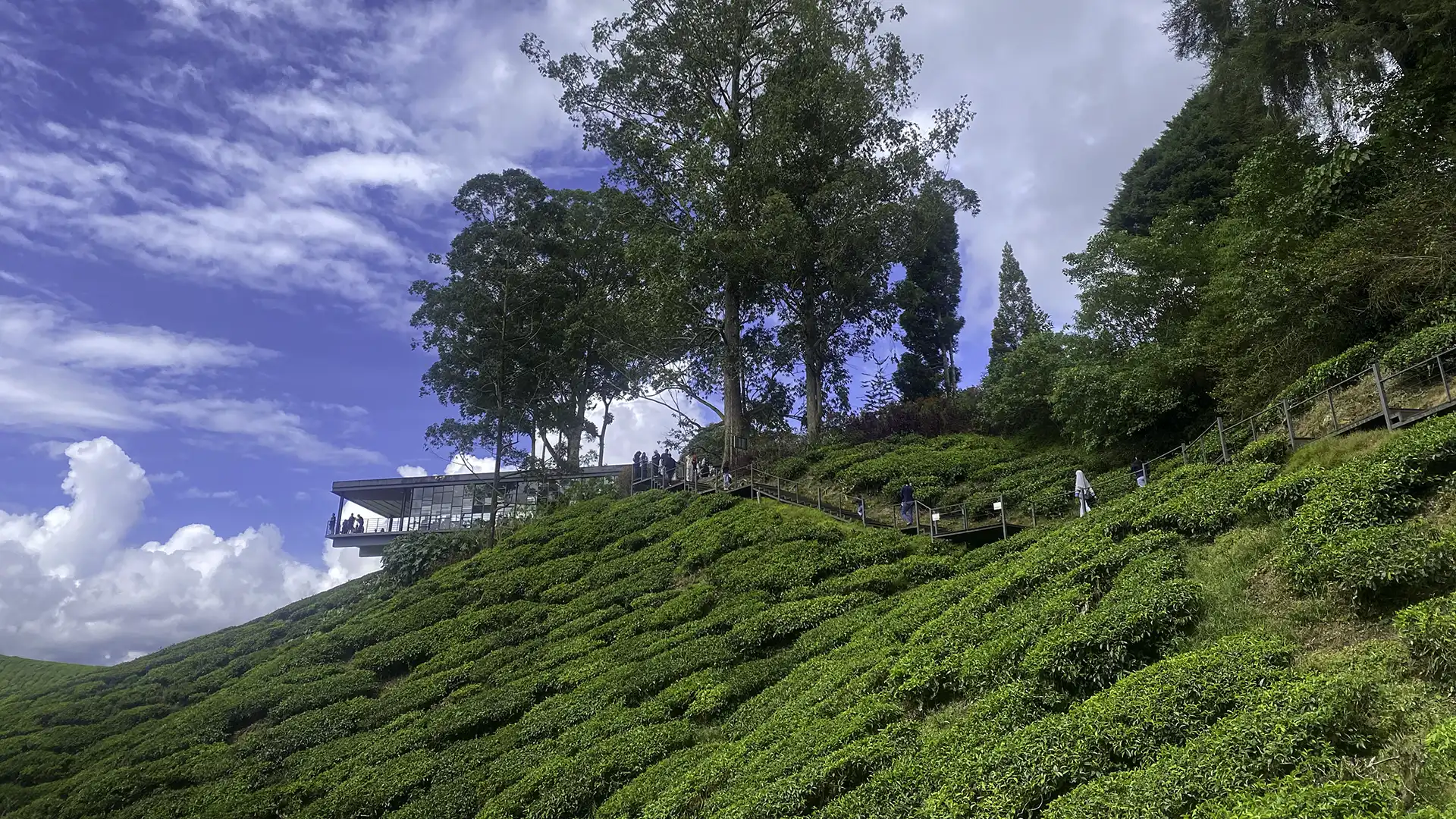
Cameron Highlands is Pahang’s most popular highland area, known for its cooler climate, tea plantations, and scenic views. It suits travellers who enjoy gentle walks, countryside scenery, and a slower pace. Most visits last one or two nights and are often combined with other destinations in Pahang.
Taman Negara National Park
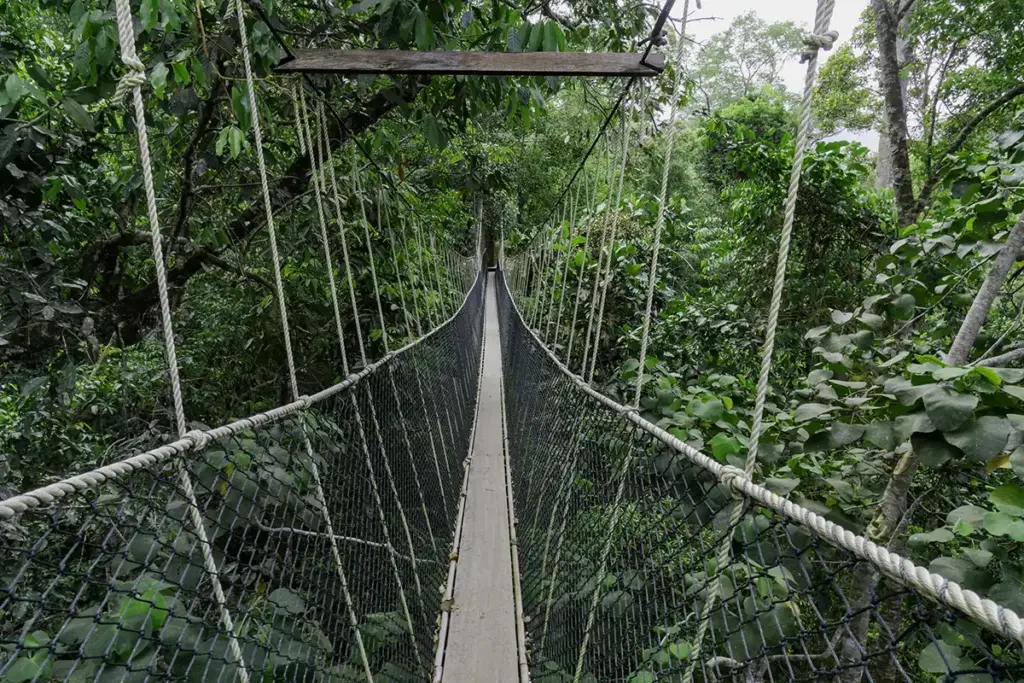
Taman Negara National Park is one of the world’s oldest rainforests and focuses on nature-based experiences such as jungle walks, canopy walks, and river travel. Activities here follow conservation guidelines set by Department of Wildlife and National Parks (PERHILITAN), which is why visits are structured and best suited to travellers who can stay overnight and are comfortable with a more rustic, nature-first environment.
Kuala Gandah Elephant Sanctuary
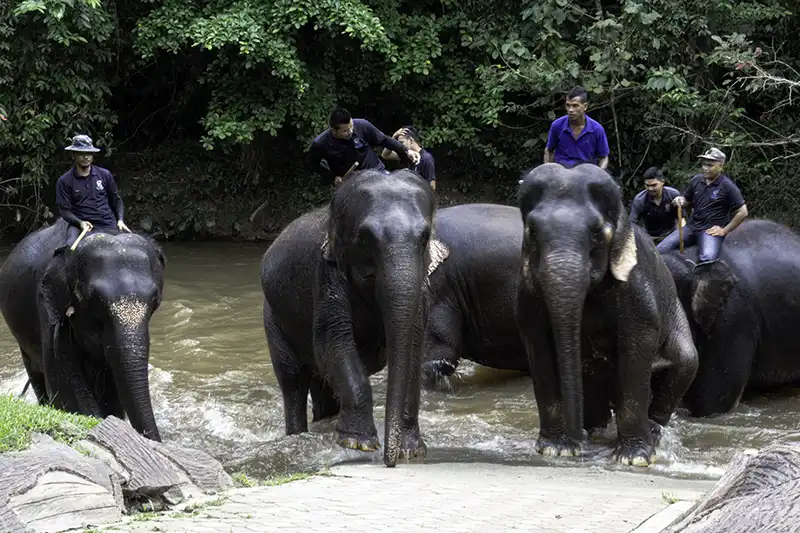
Kuala Gandah Elephant Sanctuary is a conservation centre focused on elephant care and education. Visits are usually short and appeal to travellers interested in wildlife and responsible tourism. It is commonly combined with nearby destinations rather than visited as a standalone stop.

Genting Highlands
Genting Highlands offers a cooler climate but a very different experience from other parts of Pahang. Built around resorts, entertainment, and theme parks, it suits travellers who prefer facilities and activities over nature immersion. Many visitors go for a short stay or day trip from Kuala Lumpur.
Cherating
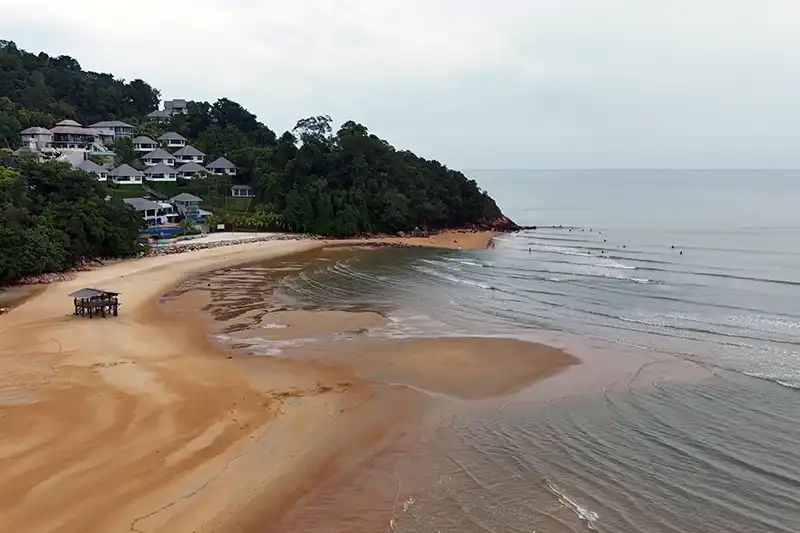
Cherating represents Pahang’s coastal side, known for quieter beaches and seasonal activities such as turtle conservation and surfing. It appeals to travellers looking for a relaxed seaside atmosphere and is best included in longer itineraries focused on the east coast.
These destinations reflect the range of experiences Pahang offers, from highlands and rainforest to wildlife and coastal areas. Rather than trying to see everything at once, most travellers focus on one or two places that fit their interests and travel pace.
Things To Do in Pahang
The activities in Pahang are closely tied to its landscapes. Rather than organised attractions clustered in one area, experiences are spread out and shaped by where you choose to stay. This section looks at the main types of things travellers do in Pahang, so you can see which areas match your interests and comfort level.
Rainforest and River Experiences
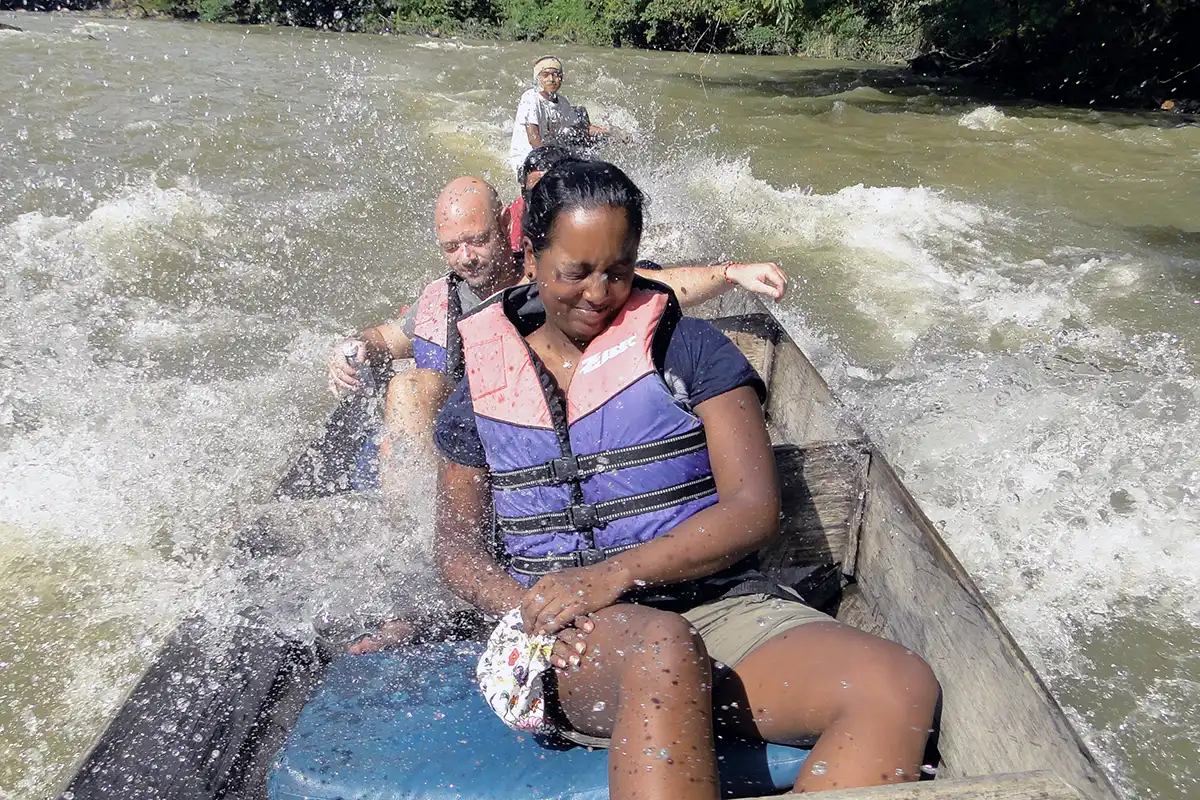
Pahang’s rainforest experiences include guided jungle walks, canopy walks, and river travel through lowland and hill forest. River journeys may include calm stretches as well as short sections of rapid shooting, adding movement while still focusing on the surrounding natural environment.

Highlands and Scenic Landscapes
Highland experiences in Pahang centre on cooler temperatures, open landscapes, and scenic surroundings. Visitors typically spend time at tea plantations, farms such as strawberry gardens, and short walking trails, making this a good option for relaxed, family-friendly sightseeing without physical intensity or demanding outdoor activities.
Wildlife & Conservation Experiences
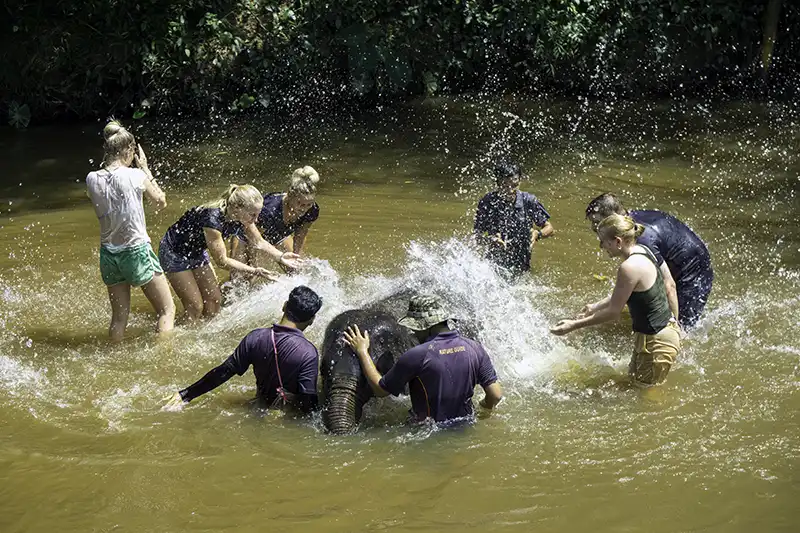
Wildlife experiences in Pahang are centred on conservation, education, and closely supervised activities. In certain settings, visitors may take part in guided river sessions with young elephants as part of structured conservation programmes, where interaction is limited and managed to support animal welfare and learning rather than entertainment.
Planning a trip to Pahang works best when you think in terms of interests rather than checklists. Choosing activities that match your pace and comfort level helps shape a more realistic itinerary. The next section looks at food and local experiences in Pahang, which are often seasonal or best treated as short stops rather than full destinations.
Food and Local Experiences in Pahang
Beyond landscapes and outdoor activities, Pahang also offers a few local experiences that are closely tied to season and tradition. These are not reasons on their own to visit the state, but they can add depth to a trip if the timing and route are right. Food-related stops in Pahang tend to work best as short visits rather than full stays.

Raub (Durian Plantations and Orchard Visits)
Raub is widely known for its durian plantations, particularly Musang King. During the durian season, the town and its surrounding countryside attract visitors who want to taste fresh fruit directly from the source or visit orchards where the cultivation process is explained.
A visit to Raub is usually brief and highly seasonal. It suits travellers who already enjoy durian and are curious about how it is grown rather than those looking for general sightseeing. Outside of the durian season, there is little reason to make a dedicated trip, which is why Raub works best as a short stop along the way to or from other parts of Pahang.
For travellers planning their route carefully, Raub can add a local flavour to a nature-focused itinerary. It is best treated as an optional experience rather than a destination to build a trip around, and expectations should be set accordingly.
How Many Days to Spend in Pahang
How much time you need in Pahang depends on which areas you plan to visit and how quickly you like to travel. Because the state covers a large area and its main destinations are spread out, Pahang is generally better suited to overnight stays rather than quick stopovers, although short visits are possible in some cases.
For travellers with limited time, one or two days can work if you focus on a single area. Places closer to Kuala Lumpur, such as Genting Highlands or Kuala Gandah, are often visited as part of a short escape or combined with city time. These trips tend to be structured and efficient, with less room for flexibility.
If you want to experience Pahang more fully, three to five days allows for a more balanced itinerary. This time-frame makes it realistic to combine two contrasting areas, such as the highlands and the rainforest, without feeling rushed. Travel days take up a noticeable portion of the schedule, so allowing extra time helps keep the pace comfortable.
Longer stays suit travellers who prefer slower travel and deeper engagement with nature. Spending several nights in one location, especially in rainforest or highland areas, gives you time to adjust to the environment and enjoy activities without planning every hour. When deciding how many days to spend in Pahang, it helps to think in terms of clusters rather than trying to see everything in a single trip.
Getting to Pahang from Kuala Lumpur
Travelling from Kuala Lumpur to Pahang is generally straightforward, but the best option depends on where in Pahang you’re going and how much time you have. Distances are manageable, yet travel times can vary because routes often pass through hills, forested areas, or smaller towns.
For destinations closer to the western side of Pahang, road travel is the most practical choice. Self-driving gives flexibility, especially if you plan to move between different areas or stop along the way. However, visitors unfamiliar with local driving conditions often prefer private transfers, which remove the need to navigate winding roads and changing traffic conditions.
Public transport works for certain routes but usually involves multiple connections. Buses and trains can take you to larger towns or gateways, but reaching places like the highlands or rainforest areas often requires onward transport. This adds time and reduces flexibility, which is why many travellers choose direct road options instead.
Some parts of Pahang are suitable for day trips from Kuala Lumpur, particularly destinations that sit closer to the state’s western edge. Others, especially interior and coastal areas, are better planned as overnight stays. When deciding how to get to Pahang, it helps to match your transport choice to your itinerary rather than focusing only on distance.
In the next section, we’ll look at getting around Pahang itself and why transport planning matters once you’re there.
Getting Around Pahang
Getting around Pahang requires a bit more planning than moving within Malaysia’s major cities. Distances between destinations are longer, and public transport options become limited once you leave larger towns. This is an important factor to consider when shaping your itinerary.
Public buses and trains can connect you to certain entry points and urban centres, but they rarely take you directly to highland areas, rainforest lodges, or smaller coastal locations. Reaching these places often involves multiple transfers or additional local transport, which adds time and reduces flexibility.
Because of this, private transport is often the most practical option for travelling within Pahang. Having a car or driver allows you to move between areas at your own pace, stop along the way, and adjust plans if weather or road conditions change. This is especially helpful in rural or forested regions, where schedules are less predictable.
For travellers who prefer not to drive, private transfers offer a comfortable alternative. They are commonly used for point-to-point travel between Kuala Lumpur and key destinations, as well as for moving between different parts of Pahang. For longer or multi-stop journeys, travelling with a private guide can make planning easier and reduce the need to coordinate transport separately.
Best Time to Visit Pahang
The best time to visit Pahang depends less on temperature and more on rainfall and the type of experience you’re looking for. Pahang has a tropical climate, so it stays warm year-round, but weather patterns can affect travel pace and accessibility, especially in nature-focused areas.
In general, the drier months make travel easier. Roads are more predictable, outdoor activities are less likely to be disrupted, and conditions are better for walking, trekking, and river-based experiences. This period works well if you plan to visit the highlands or spend time in the rainforest interior.
During the wetter months, rain is more frequent and sometimes heavier, particularly along the east coast. Travel is still possible, but plans may need to be more flexible. Rainforest areas remain lush and green, though certain activities can be limited by water levels or trail conditions. Coastal destinations can also feel quieter during this time, which some travellers enjoy, while others may find restrictive.
Seasonality also matters for specific experiences. For example, coastal activities and turtle-related visits are tied to particular months, while food experiences such as durian visits in Raub are strictly seasonal. When deciding the best time to visit Pahang, it helps to balance weather expectations with what you most want to see and do, rather than aiming for a single “perfect” month.
How Pahang Fits into a Malaysia Itinerary
Pahang often works best as a middle chapter in a wider Malaysia journey. Many travellers begin in Kuala Lumpur, then move into Pahang to experience cooler climates, rainforest, or quieter surroundings before continuing to another region. This progression helps balance city time with nature without adding long travel days.
Because of its size and location, Pahang is rarely covered all at once. Most itineraries focus on one or two areas that match a traveller’s interests. A common approach is to combine the highlands with the rainforest, or pair a short wildlife visit with time in the city. This keeps travel distances reasonable and avoids constantly changing accommodation.
A typical example is to travel from Kuala Lumpur with a stop at the Kuala Gandah Elephant Sanctuary, then continue deeper into the interior for a two-night stay in Taman Negara around Kuala Tahan. From there, travellers often head either toward the cooler highlands of Cameron Highlands or east to the coast at Cherating, depending on pace and interests.
Rather than treating Pahang as a checklist destination, it works better as a flexible segment within a longer itinerary. When planned this way, it adds contrast and depth to a Malaysia trip, giving travellers a clearer sense of how varied the country can be without feeling rushed or overplanned.
Is Pahang Worth Visiting for First-Time Travellers
For first-time visitors to Malaysia, Pahang is often a good choice if you want to see more than just the cities. It offers a clear contrast to Kuala Lumpur without requiring complex travel arrangements, which makes it easier to include even on a shorter trip.
What works in Pahang’s favour is flexibility. You don’t need to be an experienced traveller or an outdoor specialist to enjoy it. Some areas are comfortable and well developed, while others are quieter and more nature-focused, allowing you to choose how adventurous or relaxed you want your trip to be. This range helps first-time travellers ease into experiences like the rainforest or highlands without feeling overwhelmed.
Pahang also suits travellers who prefer a balanced pace. You can combine a few days here with time elsewhere in Malaysia without rushing or backtracking. Seeing how Pahang fits alongside other regions often reassures visitors that they’re getting a broader view of the country, not just one type of experience.
That said, Pahang may not be the best first stop for everyone. If your priority is shopping, nightlife, or a dense list of attractions within walking distance, other destinations may suit you better. But if you’re curious about Malaysia’s landscapes, wildlife, and slower rhythms, Pahang is very much worth considering, even on a first visit.
FAQs About Visiting Pahang
Conclusion
Pahang is a destination that rewards thoughtful planning. Its size and variety mean you don’t need to see everything at once to appreciate what it offers. By choosing the areas that match your interests and allowing enough time to travel at a comfortable pace, Pahang fits naturally into a wide range of Malaysia itineraries.
Whether you’re drawn to cooler highlands, rainforest environments, wildlife experiences, or quieter coastal areas, Pahang provides a slower, more grounded side of the country. For travellers looking to balance city time with nature and space, it remains one of Malaysia’s most versatile regions to explore.