Getting Around Kuala Lumpur – A Simple Guide for First-Time Visitors

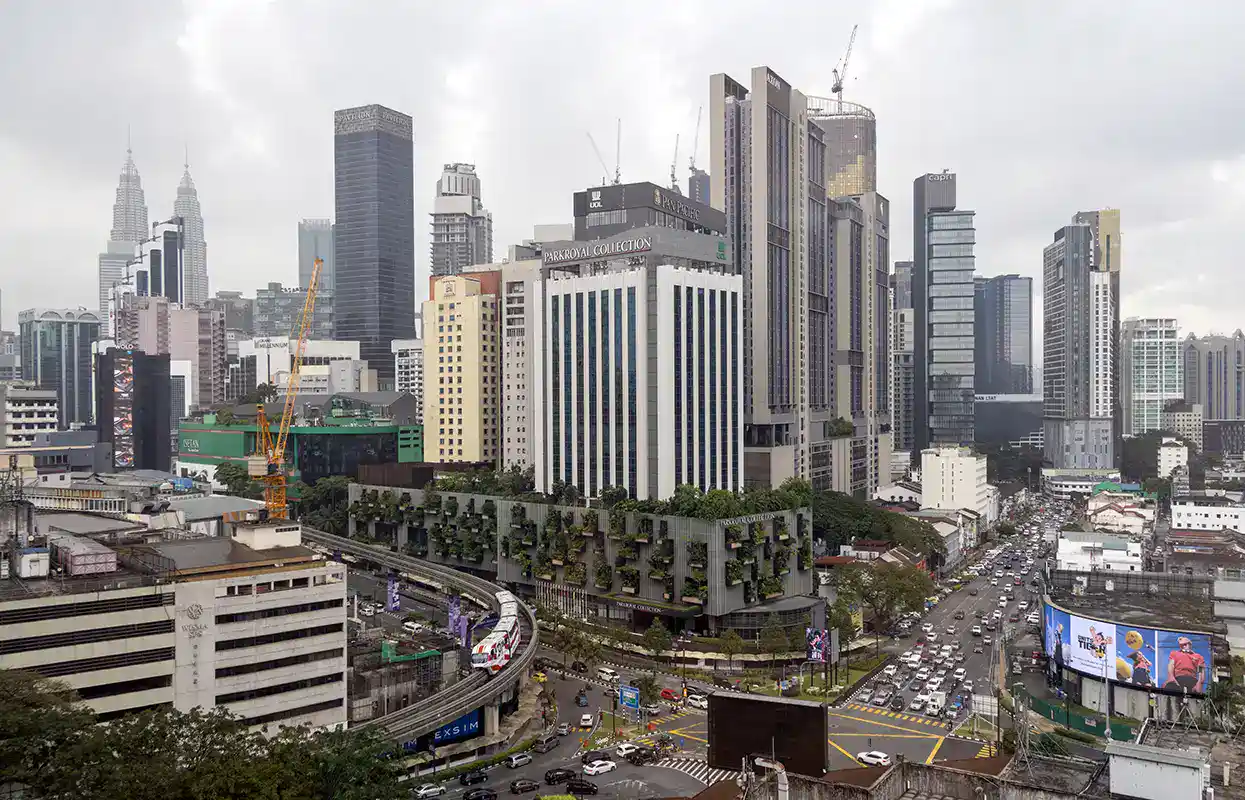
Getting around Kuala Lumpur can feel confusing at first, especially if you are arriving from a compact European or Asian city where most sights sit close together. Kuala Lumpur is modern and well connected, but it is also spread out. Attractions, neighbourhoods, and dining areas are linked by a mix of roads, urban rail lines, and pedestrian walkways rather than a single walkable centre.
This guide is designed to help first-time visitors understand how to think about moving around Kuala Lumpur, not to memorise transport routes or systems. Once you understand how the city is laid out and how locals and repeat visitors combine different transport options, getting around becomes far easier than it first appears.
If you are still getting familiar with the city as a whole, it helps to start with the Kuala Lumpur – Malaysia’s Capital City Destination Guide, which explains how neighbourhoods, attractions, and experiences fit together before you plan daily transport.
How Kuala Lumpur Is Laid Out (And Why It Matters)
Kuala Lumpur does not function as one single compact city centre. Instead, it is made up of several key districts, each serving a different purpose. Some areas are easy to explore on foot, while others require short train rides or direct transport between zones.
For first-time visitors, the KLCC area is a useful reference point. This part of the city is relatively compact and walkable once you arrive. Parks, shopping centres, hotels, and major attractions sit close together, making short walks practical and comfortable.
Other popular areas, such as Bukit Bintang or Chinatown, are also well connected but are not always within walking distance of each other. This is why days that focus on one or two nearby districts often feel relaxed, while days that jump between multiple areas require more planning.
If you are still deciding what to see and how different sights cluster geographically, the Attractions in Kuala Lumpur – Best Places to Visit for First-Time Travellers guide shows which places work well together and which ones are better grouped on separate days.
Walking vs Transport: What Actually Works in Practice
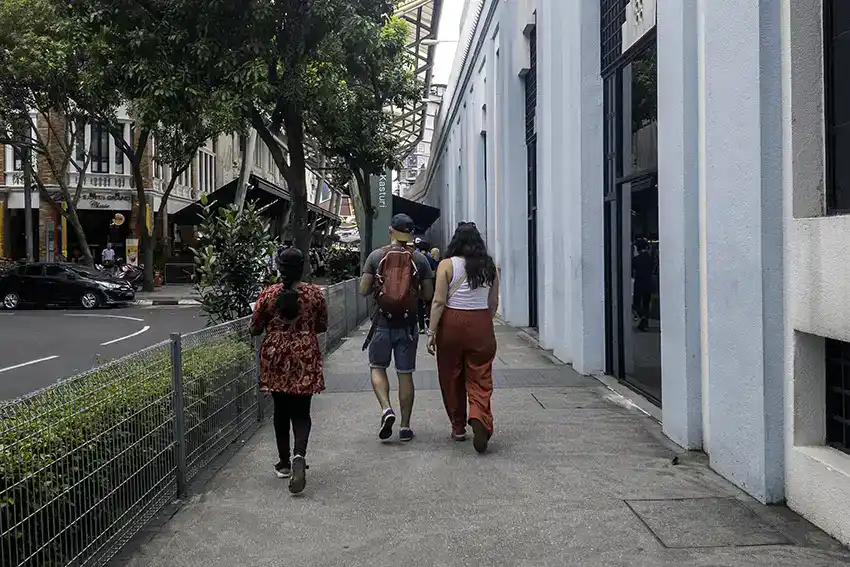
Walking is practical in Kuala Lumpur, but only within certain areas. Short distances inside districts like KLCC or Bukit Bintang are easy to cover on foot, especially in the morning or later in the afternoon. Between neighbourhoods, distances increase quickly, and walking long stretches is usually uncomfortable due to heat, humidity, and traffic crossings.
Most visitors naturally combine:
- Walking within compact areas
- Urban rail lines for efficient longer distances
- Ride-hailing services such as Grab for door-to-door convenience
Kuala Lumpur has several public transport options, including LRT, MRT, and monorail lines, which connect major parts of the city. You do not need to master the entire system to get around comfortably. Many visitors simply use trains for clear, longer routes and rely on Grab when flexibility matters more than speed.
The easiest way to move around is not about choosing one “best” option, but about matching transport to the distance, time of day, and pace of your plans.
Arriving from the Airport: How It Fits Into City Travel
Getting around Kuala Lumpur usually begins at the airport. Transport from KLIA or KLIA2 into the city is a separate decision from moving around once you are already in Kuala Lumpur.
Airport journeys are longer and more structured, while city transport is often spontaneous. Once you reach your hotel, transport choices become simpler and more flexible. This is why it helps to treat airport transfers as a one-off journey rather than part of daily city movement.
For detailed guidance on airport-to-city options, including trains and private transfers, it is best to refer to a dedicated airport transport guide rather than relying on general city navigation advice.
Moving Beyond the City Centre
While many highlights sit within central Kuala Lumpur, some well-known attractions are located outside the main city districts. These trips involve longer distances and should be planned separately from walking-based sightseeing days.
A common example is Batu Caves, which lies outside central Kuala Lumpur. Visiting Batu Caves requires a specific journey rather than casual city hopping, but the process is straightforward once you know what to expect.
If Batu Caves is on your itinerary, it is worth checking a dedicated transport guide instead of relying on general city advice. Our How to Get to Batu Caves – Transport Options from Kuala Lumpur and KLIA guide explains routes and timing clearly.
Beyond Batu Caves, several destinations work well as short excursions from Kuala Lumpur but involve different planning compared to city sightseeing. If you are considering these trips, the Day Trips from Kuala Lumpur – Your Essential Guide to Exploring Malaysia in One Day helps you decide what is realistic and how to structure your time.
Choosing the Best Way to Get Around (Based on Your Travel Style)
There is no single transport option that suits every visitor in Kuala Lumpur. Most people settle into a routine that matches how they travel, how much time they have, and how structured they want their days to be. The options below reflect how visitors typically move around the city in practice.
Solo travellers
Flexibility usually matters most. Walking within central areas combined with Grab for longer or less convenient journeys keeps plans simple and adaptable. This approach works well when plans change throughout the day or when you want to explore at your own pace without committing to a fixed schedule.
Families and small groups
Door-to-door transport is often easier when travelling with children or when the day includes several stops. Ride-hailing services are commonly used alongside short walks, especially during warmer hours. Reducing transfers and waiting time tends to make the day feel smoother and less tiring.
Short stays (1–3 nights)
When time is limited, simplicity becomes more important than covering every transport option. Staying within one or two main areas and using direct transport helps reduce decision fatigue. This allows more time to enjoy sights rather than navigating routes.
Packed itineraries
If your days involve attractions across different parts of the city, mixing walking with direct transport between zones works best. Planning by area helps avoid unnecessary backtracking, particularly during peak traffic hours when travel times can vary.
Private city tours (for maximum convenience)
Some visitors choose a private city tour as a practical way to get around Kuala Lumpur, particularly when time is limited or when they prefer a more structured day. Instead of navigating routes or coordinating multiple transport options, a private tour combines transport and sightseeing into a single, organised experience.
This approach allows several key areas to be covered efficiently while keeping the day relaxed and predictable. For example, a private Kuala Lumpur city tour including Batu Caves can connect central highlights with attractions outside the city centre in one structured itinerary. Private city tours are commonly chosen by first-time visitors, families, and travellers who want to see more of the city in a short amount of time with local insight, without having to manage the logistics themselves.
Frequently Asked Questions
Keep It Simple
Getting around Kuala Lumpur does not require detailed transport planning or memorising routes. Most visitors find their rhythm quickly by focusing on one area at a time and choosing transport based on distance and comfort.
A basic understanding of the city’s layout, awareness of walking-friendly areas, and flexibility with transport choices go a long way. With that approach, moving around Kuala Lumpur tends to feel practical and manageable rather than overwhelming.
For a broader view of how neighbourhoods, attractions, and experiences fit together, return to the Kuala Lumpur – Malaysia’s Capital City Destination Guide, which ties transport decisions into the wider context of planning your time in the city.