
Pangkor Island Travel Guide – What to See, When to Go & Practical Tips

Pangkor Island, known locally as Pulau Pangkor, is a small tropical island off the west coast of Peninsular Malaysia in the state of Perak. The island is known for its relaxed pace, quiet beaches, and compact layout, making it easy to explore without extensive planning or long travel days.
In 2020, Pangkor was granted duty-free island status, adding a practical benefit for visitors while the island itself has remained low-key and community-focused. Fishing villages, local eateries, and forested hills shape a destination that feels grounded and unhurried rather than built around large-scale resort tourism.
This guide is written for international travellers planning a first visit to Pangkor Island. It covers everything you need to plan your stay with confidence, including how to get there, the best time to visit, where to stay, things to do, and practical travel tips. Pangkor is one of several islands in Malaysia that visitors can explore, and this page focuses specifically on what to expect once Pangkor has been chosen as your destination.
Why Visit Pangkor Island
Pangkor Island appeals to travellers looking for a relaxed tropical escape without complex logistics. Its close proximity to the mainland and short ferry crossing make it easy to reach, allowing visitors to spend more time on the island and less time in transit. Once there, distances are short, the pace is unhurried, and most areas are easy to navigate, even for first-time visitors.
Another advantage of Pangkor Island is its year-round accessibility. The island is not subject to seasonal closures, which makes travel planning more flexible compared to destinations with restricted visiting periods. This reliability suits travellers who prefer straightforward scheduling without needing to plan around weather windows.
Pangkor offers a balanced mix of quiet beaches, simple snorkeling spots, local seafood, and everyday island life. Rather than large-scale resort development, the island maintains a lived-in feel shaped by fishing communities and small neighbourhoods. This makes Pangkor well suited to travellers who value a calm environment, manageable travel distances, and an experience that feels local rather than heavily curated.
How to Get to Pangkor Island
Most travellers reach Pangkor Island by ferry from the Malaysian mainland. While the island does not have an airport, the closest airport is Ipoh, which is served by domestic flights and followed by a road transfer to the coast and a short ferry crossing.
From Kuala Lumpur, the drive or bus journey to the coastal town of Lumut takes around 3 to 4 hours, covering a distance of approximately 240 kilometres. Regular buses depart from Kuala Lumpur’s main terminal, and driving is also straightforward. Travellers coming from Ipoh or Penang will find the journey shorter, with travel times of roughly two hours from Ipoh.
Getting to Pangkor Island typically involves combining a few transport steps, including overland travel and a ferry connection. For a clearer overview of how these routes work across the country, see our guide to getting around Malaysia.
From the mainland, ferries to Pangkor Island depart from Lumut Jetty and Marina Island Jetty. Standard ferries from Lumut operate regularly throughout the day and take about 25 to 30 minutes, including a brief stop at a local village jetty. Marina Island offers a faster option, with ferries reaching Pangkor in approximately 15 to 20 minutes.
Ferries arrive at Pangkor’s main jetty in Pangkor Town, where most visitors begin their stay. There is no vehicle ferry for private cars, so travellers arriving by car will need to park on the mainland and cross as foot passengers. Once on the island, transport such as taxis and scooter rentals is readily available for reaching beaches and accommodation areas.
For full details on how to get to Pangkor Island, or for travellers who prefer to arrange transport in advance, see our private transfer options from Kuala Lumpur to Pangkor Island.
Full details how to get to Pangkor Island or for travellers who prefer to arrange transport in advance, details are available on our Private Transfer from Kuala Lumpur to Pangkor Island page.
Best Time to Visit Pangkor Island
Pangkor Island has a tropical climate that remains relatively consistent throughout the year. Temperatures are generally warm, with daytime highs averaging between 28°C and 32°C, and the island can be visited in any season without major weather disruptions.
The most favourable weather conditions are typically found during the drier periods of the year, particularly from January to March and June to August. During these months, visitors can expect clearer skies, calmer sea conditions, and better beach visibility, making them popular times for outdoor activities and swimming.
The wetter months usually fall between October and December, with November seeing the highest rainfall. Rain during this period often comes in short afternoon showers rather than continuous downpours, and Pangkor remains open to visitors year-round. Travelling during these months can be a good option for those who prefer fewer crowds and more flexible accommodation rates, as long as plans allow for occasional rain.
Overall, Pangkor Island does not experience extreme weather or seasonal closures, which makes it a reliable destination at any time of year. Travellers seeking the best beach conditions may prefer the drier months, while those valuing quieter surroundings may enjoy visiting outside peak periods
In addition to weather, local travel patterns can affect crowd levels on Pangkor Island. Malaysian public holidays such as Chinese New Year, Eid al-Fitr, and school holiday periods often bring a surge of domestic visitors. During these times, popular beaches can feel busier and accommodation prices tend to rise, especially on weekends. Travellers who prefer quieter surroundings or more accommodation choice may wish to avoid these peak periods or book well in advance if visiting during national holidays.
Top Things to Do and See in Pangkor Island
Despite its small size, Pangkor Island offers a good variety of activities centred around beaches, local culture, and nature. Most attractions are easy to reach, making it simple to explore the island at a relaxed pace without overplanning.
Relax on Pangkor’s Beaches
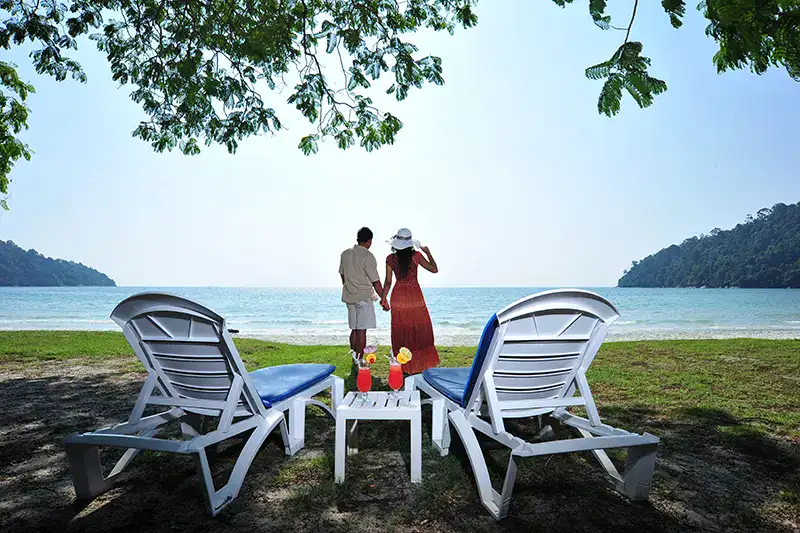
Pangkor is best known for its beaches, with Coral Beach being the most popular. Located on the island’s northwest coast, it features soft sand and clear water and is well suited for swimming and casual snorkelling. The shallow waters near Giam Island, just offshore, make it one of the better spots for marine life close to the beach.
Teluk Nipah (Nipah Bay), nearby, offers a livelier atmosphere with beachfront food stalls, small shops, and water activities. It tends to be busier on weekends but remains popular for sunset views and evening dining by the sea. For quieter beach time, areas such as Pasir Bogak and Teluk Ketapang provide a calmer setting, especially on weekdays.
Snorkelling and Island Hopping
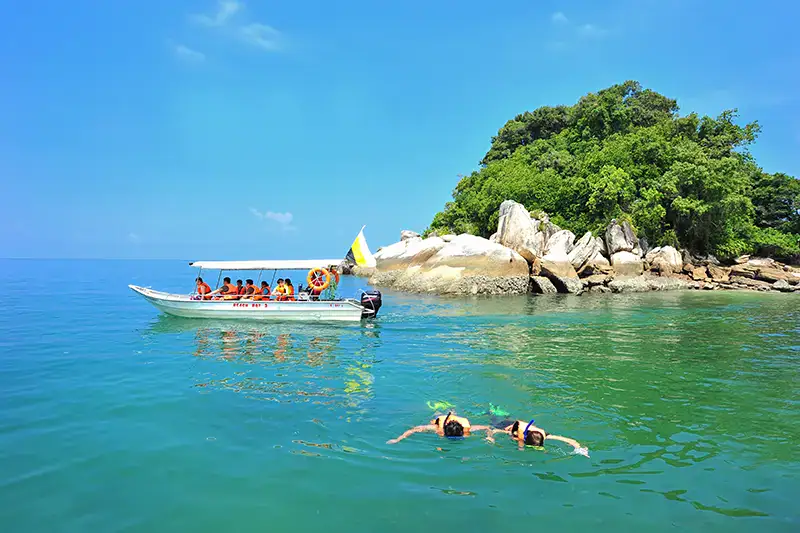
Snorkelling is one of the most accessible activities on Pangkor Island, particularly around Coral Beach and the surrounding small islets. Basic snorkelling equipment can be rented locally, making it easy for visitors to explore without prior arrangements.
Island-hopping trips are also available and typically include short boat rides around nearby islands for swimming, sightseeing, and photography. These trips are simple and informal, offering a relaxed way to experience Pangkor’s coastal scenery.
Historical and Cultural Sites
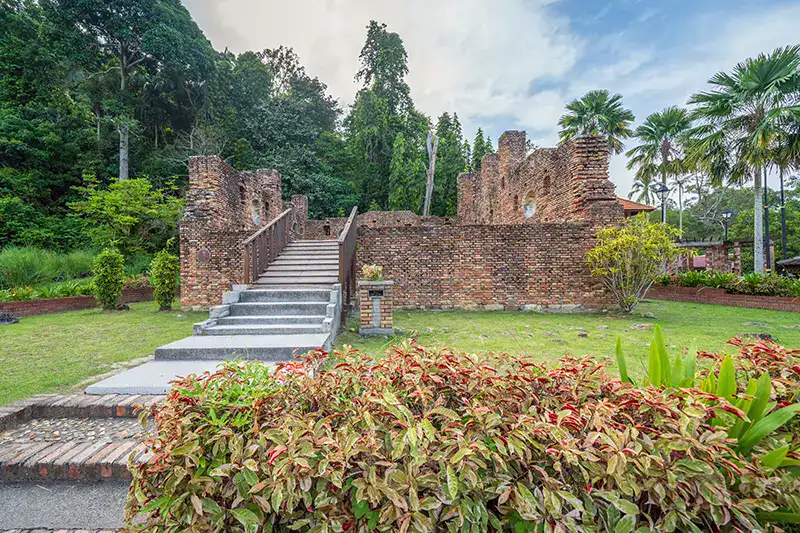
Pangkor Island has a small but interesting collection of historical and cultural landmarks. One of the most notable sites is Dutch Fort (Kota Belanda) on the southern part of the island, built in the 17th century during the Dutch colonial period. Today, only parts of the brick walls remain, gradually reclaimed by surrounding vegetation.
Nearby is Batu Bersurat (Tiger Rock), a large engraved boulder associated with local folklore and early colonial history. Informational signs provide context, and both sites are free to visit.
Cultural diversity on Pangkor is reflected in its places of worship. Foo Lin Kong Temple, a Taoist temple near Pangkor Hill, features landscaped gardens and decorative structures and is a quiet place to explore. On the coast, Masjid Al-Badr 1000 Selawat, often called the Floating Mosque, is built over the water and is especially scenic during high tide. Around Pangkor Town, visitors can also explore small shops, street art, and traditional buildings that offer a glimpse of everyday island life.
Wildlife and Nature Experiences
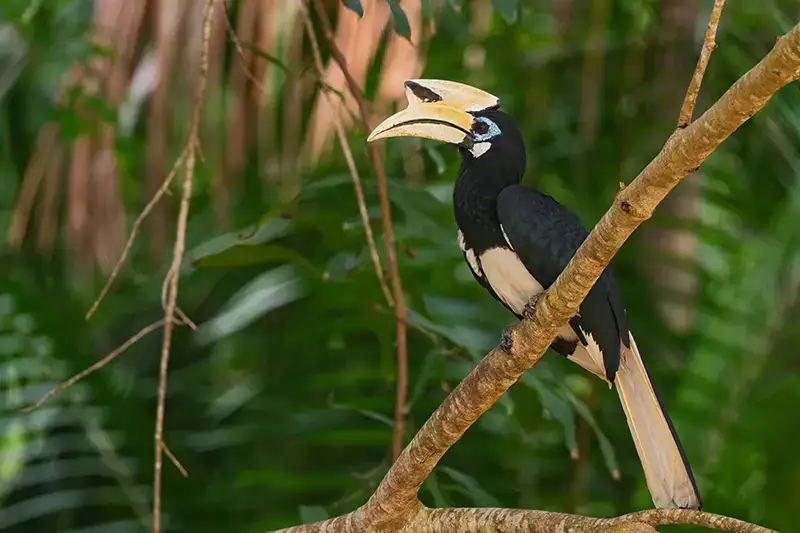
Pangkor Island is known for its population of Oriental pied hornbills, which can often be seen around beaches and forested areas. In the evenings, hornbill feeding sessions take place near certain accommodation areas, providing an opportunity to observe these birds up close.
The island is also home to long-tailed macaques, which occasionally appear near roads and towns. Visitors should avoid feeding them and keep personal belongings secure. For those interested in nature walks, short jungle trails lead through forested areas, including paths around Pangkor Hill and the southern part of the island. These walks offer a chance to experience Pangkor’s natural environment without demanding hikes.
Where to Stay on Pangkor Island
Although Pangkor Island is smaller than many resort destinations, it offers a reasonable range of accommodation options across a few key areas. Most places to stay are concentrated near the island’s main beaches or close to Pangkor Town, making it easy to choose a base that suits your travel style and pace.
Teluk Nipah Area
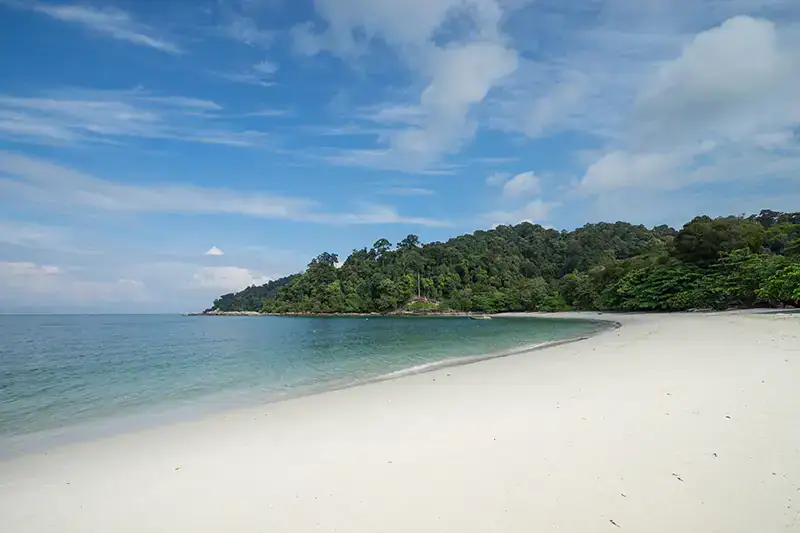
The Teluk Nipah area, which includes Nipah Bay and nearby Coral Beach, is the most popular place to stay on Pangkor Island. This stretch of coast offers the widest selection of accommodation, from simple guesthouses and beach chalets to mid-range resorts. Many properties are located within walking distance of the beach, food stalls, and small shops.
This area suits travellers who want to spend most of their time by the sea and enjoy a lively atmosphere, particularly in the evenings. Teluk Nipah tends to be busiest on weekends, school holidays, and public holidays, so booking ahead is advisable during peak periods.
Pasir Bogak and Pangkor Town
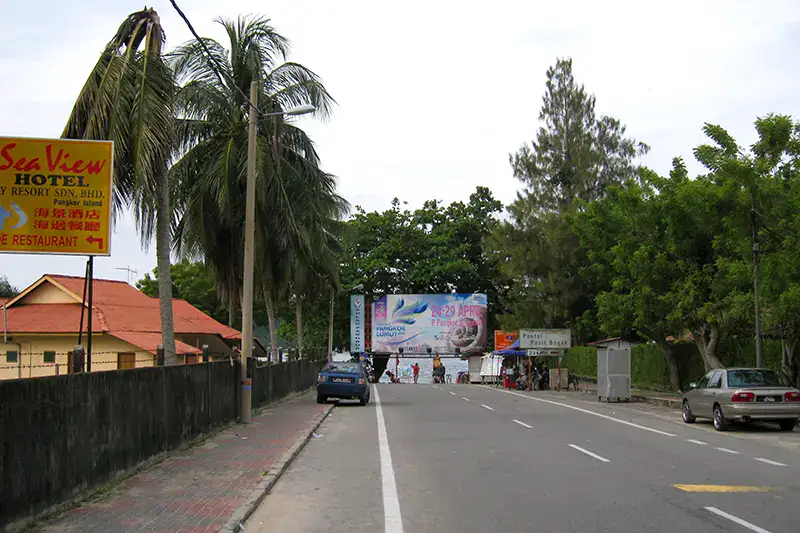
Pasir Bogak, located close to Pangkor Town on the west coast, is another practical option for accommodation. While the beach here is quieter and less scenic than Teluk Nipah, the area benefits from easier access to shops, local restaurants, and the main ferry jetty.
Staying near Pangkor Town provides a more local feel and is well suited to travellers who prioritise convenience and don’t mind taking short taxi rides to reach other beaches. This area also offers more budget-friendly lodging and is a good base for short stays or travellers who prefer a calmer, less tourist-focused environment.
Private Island Option: Pangkor Laut Resort
Located on its own private island just off the coast, Pangkor Laut Resort offers a luxury experience separate from Pangkor Island itself. Access is via the resort’s private boat service from Marina Island on the mainland, and facilities are entirely self-contained.
This option is suited to travellers seeking a high-end, secluded stay rather than a base for exploring Pangkor Island. It is best viewed as a standalone resort experience rather than part of the island’s general accommodation scene.
Overall, accommodation on Pangkor Island tends to be modest, relaxed, and locally run rather than large-scale or luxury-driven. Visitors should plan ahead during Malaysian public holidays and school holiday periods, when rooms across the island can fill quickly and prices may rise.
Local Food and Cultural Highlights
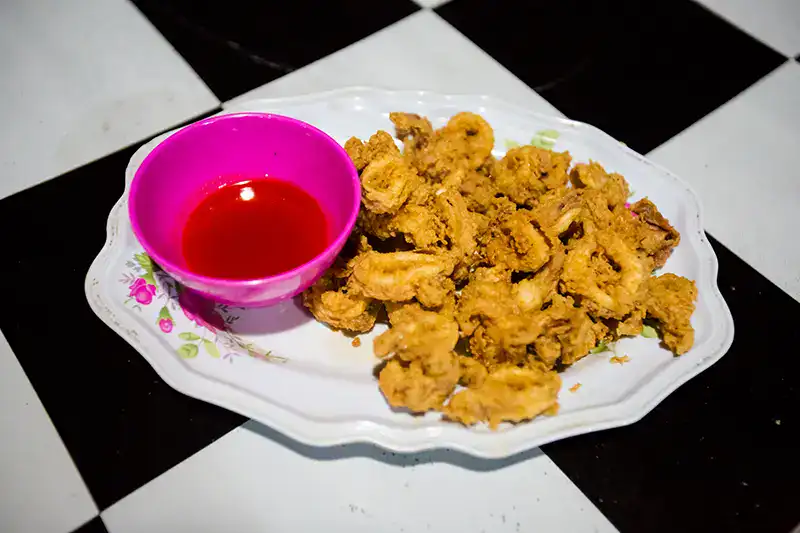
Local food and everyday culture are an important part of the Pangkor Island experience. As a long-established fishing community, the island is known for its seafood, which features prominently on menus across Pangkor. Many casual restaurants serve freshly grilled fish, prawns, squid, and crab, often prepared simply to highlight the freshness of the catch. In the evenings, beachside stalls around Nipah Bay may set up barbecue grills offering seafood and satay in a relaxed, informal setting.
One of Pangkor’s best-known local products is satay ikan, a dried fish snack sometimes referred to as fish jerky. Visitors can find it at small factory shops such as Kilang Satay Ikan Hai Seng Hin, where the drying and preparation process can be seen firsthand. Dried anchovies (ikan bilis) are another local specialty, commonly sold in shops around Pangkor Town in various grades and sizes.
Dining options on the island reflect its multicultural community. Pangkor Town and nearby villages offer a mix of Malay, Chinese, and Indian eateries, ranging from simple coffee shops to small family-run restaurants. Visitors will find familiar local dishes such as fried rice, noodle soups, nasi goreng, laksa, roti canai, and nasi lemak. On some evenings, small night markets appear, offering street snacks, fresh fruit, and local desserts.
Pangkor’s fishing village roots are still visible across the island. Areas such as Sungai Pinang Kecil and Sungai Pinang Besar offer a glimpse into daily island life, with wooden houses, colourful fishing boats, and fish laid out to dry in the sun. Places of worship from different communities often sit close together, reflecting the island’s long-standing cultural mix. Visitors who take time to walk through these neighbourhoods will gain a better sense of Pangkor beyond its beaches.
During major local festivals such as Chinese New Year, Hari Raya, or Pongal, small community celebrations may take place across the island. These are usually low-key and locally focused, but they add to the atmosphere for visitors who happen to be in Pangkor at the time. Allowing time to slow down and observe daily life is often one of the most rewarding parts of a visit.
Where Pangkor Island Fits in a Malaysia Trip
Pangkor Island is often included as part of a wider journey through Peninsular Malaysia, particularly by travellers who want to balance coastal time with cities or inland destinations. Its west coast location makes it easy to incorporate without requiring major changes to an existing route.
For travellers still mapping out their broader plans, Pangkor sits naturally within Malaysia’s wider network of destinations. You can explore an overview of key destinations in Malaysia to understand how different regions connect, while this guide focuses specifically on what to expect once Pangkor Island is your chosen stop.
Rather than treating Pangkor as a brief stopover, most visitors find it most rewarding when time is set aside to enjoy the island’s slower pace, beaches, and local character before continuing onward.
Pangkor Island Travel Tips
Getting Around
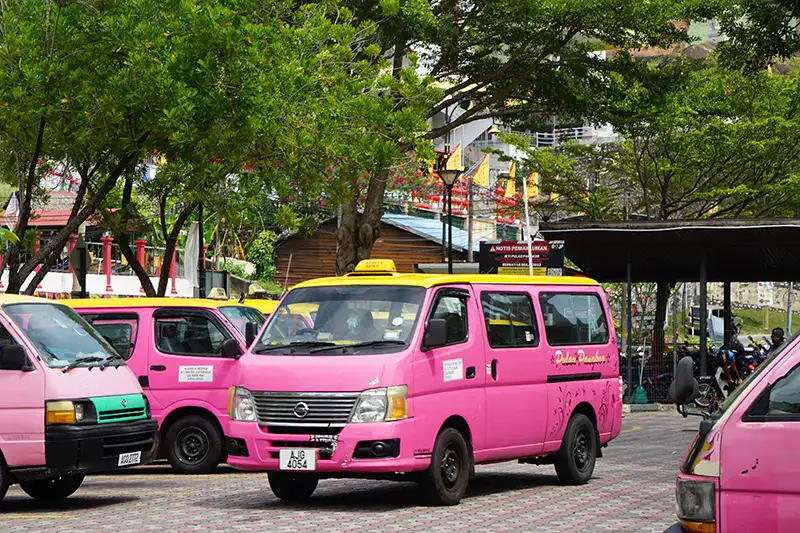
Pangkor Island is small, with a single main road looping the island over a distance of roughly 18 kilometres. There is no public bus service or ride-hailing apps such as Grab, but getting around is straightforward.
The most common form of transport is the island’s distinctive pink taxi vans, which wait at the ferry jetty and operate on fixed rates. These minibuses can carry several passengers and are used for short transfers as well as sightseeing trips around the island. Fares are reasonable, but it’s best to confirm the price before starting your journey.
Motorbike rentals are widely available near the jetty and around Teluk Nipah and are a popular way to explore independently. Bicycles can also be rented, although some roads are hilly and may require extra effort. Visitors cannot bring private cars across on the ferry, and most travellers find that a car is unnecessary due to the island’s size.
Money and Connectivity
The local currency is the Malaysian Ringgit (RM). ATMs are available in Pangkor Town, but they are limited in beach areas such as Teluk Nipah. Carrying sufficient cash is recommended, as many small hotels, shops, and eateries do not accept cards.
Mobile phone coverage is generally good across the island, with major Malaysian networks providing service. Wi-Fi is available at some hotels and cafés but may be slower outside town areas. Visitors who rely on mobile data may find it helpful to purchase a local SIM card before arriving on the island.
Duty-Free Shopping
Pangkor Island has held duty-free status since 2020. A small number of shops in Pangkor Town sell duty-free items such as chocolates, souvenirs, and clothing.
Alcohol, however, is not fully duty-free on Pangkor, and selection is limited compared to other duty-free destinations in Malaysia. Shopping on the island is generally modest and low-key, reflecting Pangkor’s relaxed character rather than a strong retail focus.
Safety and Health
Pangkor Island is considered very safe for visitors, with low crime levels. Standard precautions such as keeping an eye on personal belongings, especially at the beach, are usually sufficient.
When swimming or snorkelling, stick to popular beaches and be aware of sea conditions. Jellyfish may appear occasionally, particularly during wetter months. Wildlife such as monkeys can be curious, so avoid feeding them and keep food secured. Mosquito repellent is recommended, especially in the evenings.
Basic medical services are available on the island, but more serious treatment requires travel to the mainland. Carrying personal medication and a small first-aid kit is advisable.
Etiquette
Pangkor’s population includes Malay, Chinese, and Indian communities, and visitors are expected to respect local customs. Dress modestly when away from the beach and when visiting villages or religious sites, and remove shoes when entering temples or private homes.
English is commonly understood, and a friendly greeting is always appreciated. Visitors are encouraged to help keep the island clean by disposing of rubbish properly and being mindful of the local environment.
Frequently Asked Questions About Pangkor Island
Conclusion
Pangkor Island offers a relaxed island experience shaped by beaches, fishing communities, and a slower pace of life. Visitors can spend their days enjoying quiet stretches of sand, sampling local seafood, exploring small historical sites, and observing everyday island routines without needing a tightly packed schedule.
The island suits travellers who value simplicity, short travel distances, and an environment that feels lived in rather than heavily developed. With its manageable size, year-round accessibility, and welcoming local atmosphere, Pangkor is easy to navigate and rewarding to explore at a comfortable pace.
Pangkor sits within Malaysia’s wider network of travel destinations, and those planning a longer journey may find it helpful to view it in the broader context of destinations in Malaysia. This guide, however, is focused on helping you understand what to expect once Pangkor Island is your chosen destination.
Taking time to slow down and settle into the rhythm of the island is often what visitors remember most. Pangkor rewards those who arrive without rushing and leave with a clearer sense of local life along Malaysia’s west coast.