Batu Caves Staircase – Guide to the Iconic 272 Rainbow Steps

Quick Answer
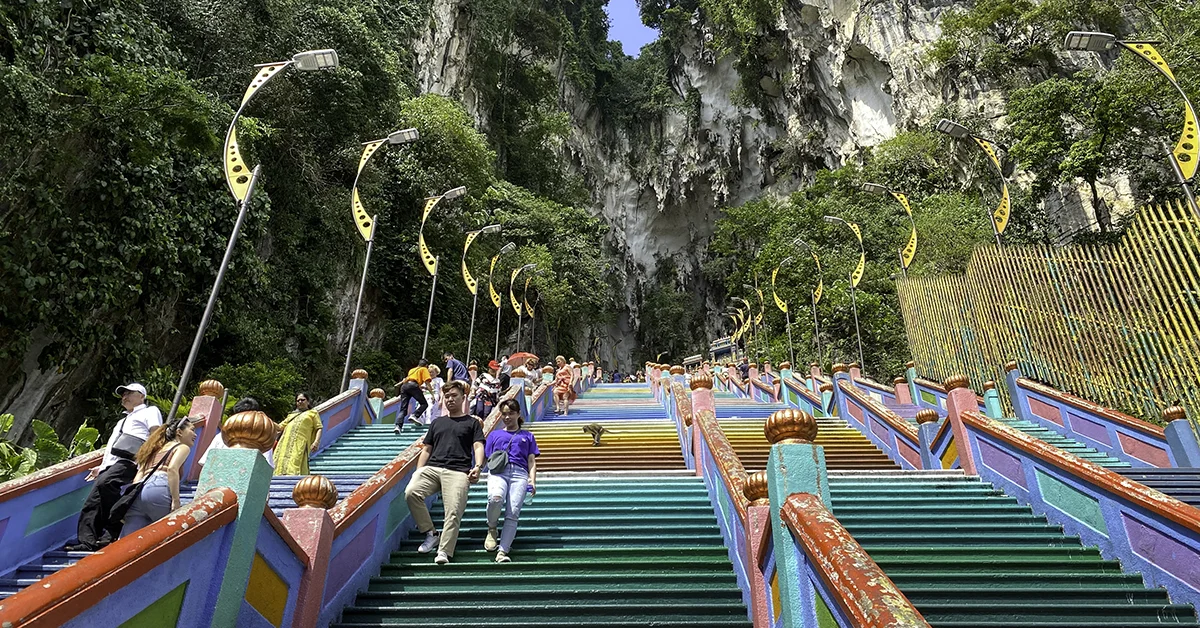
The Batu Caves staircase is 272 steps climbing a limestone cliff face to the Temple Cave — one of the most significant Hindu temples in Malaysia. Most visitors reach the top in 10 to 15 minutes at a comfortable pace.
Batu Caves is 13 kilometres north of Kuala Lumpur — around 30 minutes by KTM Komuter train from KL Sentral, or 30 to 45 minutes by car depending on traffic. Entrance to the staircase and Temple Cave is free.
The steps were repainted in rainbow colours in 2018 and are now one of Malaysia’s most photographed landmarks. Along the climb you pass the 43-metre golden statue of Lord Murugan and long-tailed macaques that live on the staircase year-round. All visitors must dress modestly before entering the cave temple — covered shoulders and knees required; sarongs are available at the entrance for RM15.
Arrive before 9:00 AM on weekdays, or before 8:00 AM on weekends and public holidays, to climb in cooler temperatures and avoid the busiest period on the stairs.
Quick Facts
| Distance from KL | 13 km from central Kuala Lumpur |
| Getting there | KTM Komuter from KL Sentral — approx. 30 min · By car: 30–45 min |
| Steps to Temple Cave | 272 outdoor steps (plus 101 inner steps inside the cave complex) |
| Climb time | 10–15 minutes at a steady pace |
| Staircase open | 6:00 AM – 9:00 PM daily |
| Best time to visit | Before 9:00 AM weekdays · Before 8:00 AM weekends and public holidays |
| Batu Caves tours | Book with We Go With Anuar → |
The Batu Caves steps are the defining feature of one of Malaysia’s most visited sites — 272 painted concrete stairs climbing the face of a limestone hill to a Hindu cave temple that has been active for over a century. Climbing the Batu Caves steps takes 15 to 20 minutes at a comfortable pace, but the experience varies considerably depending on when you go, what you know about the monkeys and the heat, and whether you understand what you are walking into historically and spiritually.
This guide covers everything you need before you visit: the history of the staircase, what the climb is like in practice, the spiritual significance of the ascent, how the stairs transform during Thaipusam, and what you will find at the cave temple above. For a full overview of Batu Caves including how to get there and what else is at the site, start with the complete Batu Caves visitor guide.
How Many Batu Caves Steps Are There?
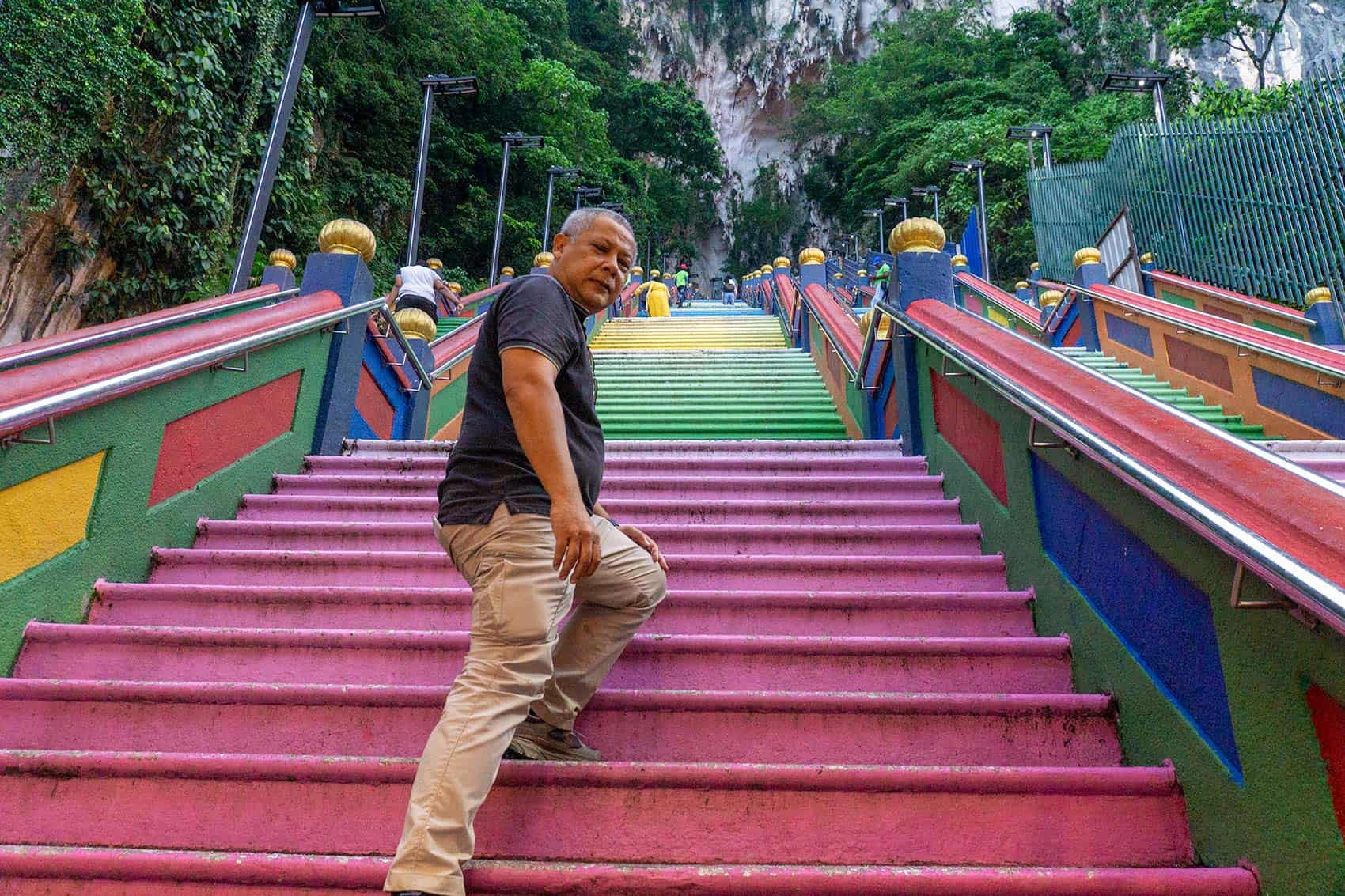
The Batu Caves staircase has exactly 272 steps leading up to the Temple Cave. Inside the cave, a second staircase of 101 steps climbs to a higher inner chamber — so if you explore all the way through, the full climb is 373 steps in total.
The staircase rises approximately 100 metres above the temple grounds. Each step is around 31 centimetres deep — narrower than a standard modern staircase, which is why the incline feels steeper than it looks from the base. The steps were originally designed for barefoot climbing by Hindu devotees, and visitors with larger shoes often find the descent slightly trickier than the ascent.
The number 272 carries no symbolic meaning in Hindu tradition. When the concrete staircase was completed in 1939, the step count simply reflected what was needed to follow the natural slope of the limestone hill from the temple grounds to the cave entrance.
Most visitors reach the top in 10 to 15 minutes at a comfortable pace. The descent takes around 8 to 10 minutes — less time, but more care is needed on the steeper sections, particularly after rain when the steps can become slippery.
What Is It Like to Climb the Batu Caves Steps?
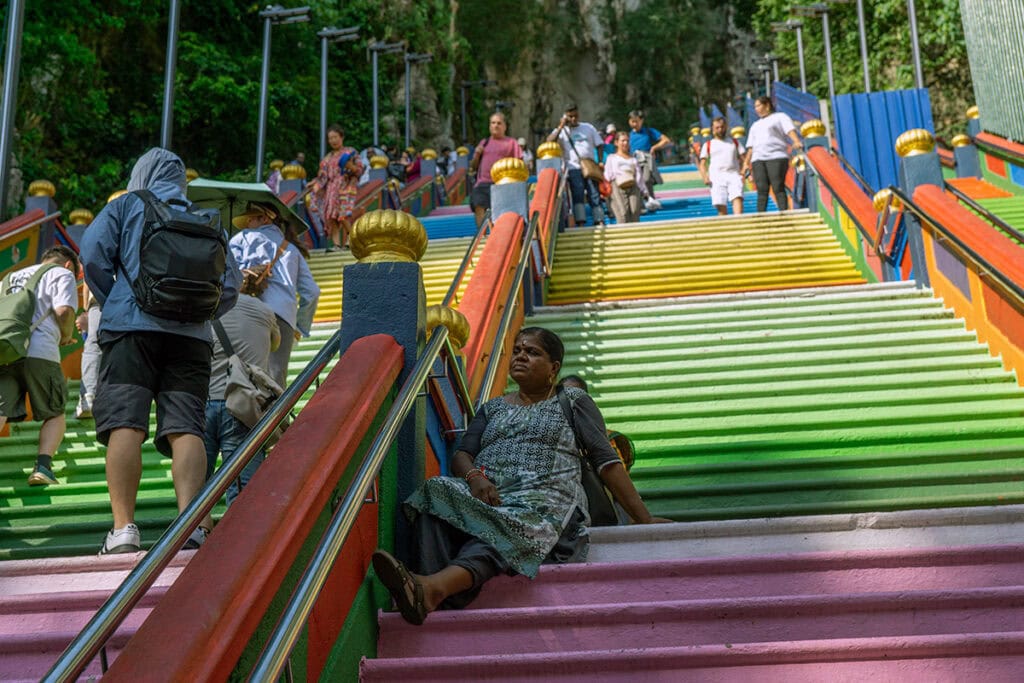
The climb is short, steep, and exposed to the heat — and most visitors manage it comfortably if they pace themselves and arrive at the right time of day. What makes the staircase memorable is not the physical effort but the atmosphere: the colour of the steps, the scale of the limestone cliff above, and the views back down over the temple grounds as you climb.
How Difficult Is the Climb?
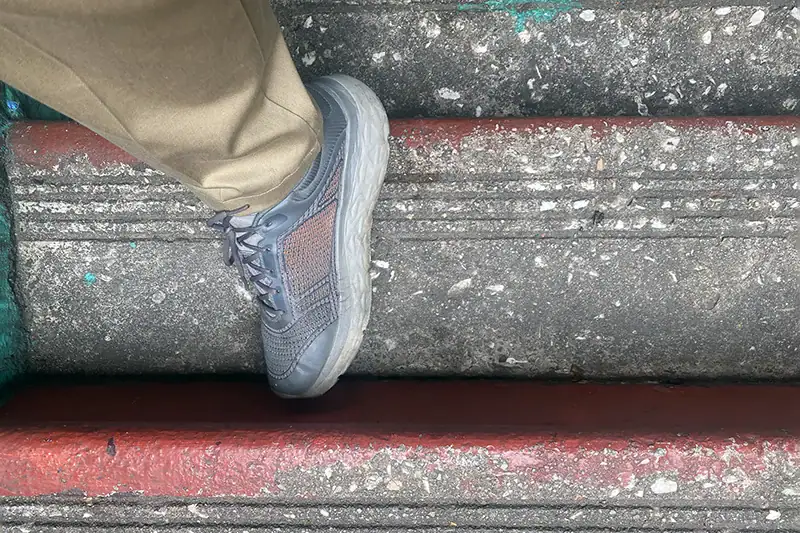
For most visitors wondering how long the climb takes, the Batu Caves staircase is a moderate challenge. The step count is not the issue — 272 steps takes around 10 to 15 minutes. What makes the climb harder than it sounds is Kuala Lumpur’s heat and humidity, particularly between 10:00 AM and 3:00 PM when temperatures are at their highest and the lower staircase has little shade.
By mid-morning, the concrete reflects heat upward and the staircase feels significantly more demanding than it would in cooler conditions. The lower half is the most exposed section; once you pass the halfway point, the limestone cliff begins to shade the steps and the air feels noticeably cooler. Taking a short rest at the landing area halfway up makes a real difference.
Visitors who are reasonably fit can climb without stopping. Those who are less active or unused to tropical heat should allow extra time and rest whenever needed — there is no pressure to keep pace with anyone else on the stairs.
Can Everyone Climb the Batu Caves Staircase?
Most healthy adults can manage the climb without difficulty. Children climb it regularly and generally enjoy the experience. Elderly visitors and older adults with mild mobility concerns can tackle it at a slow pace using the handrails — the key is not rushing.
Two situations require more thought. Visitors with significant knee problems may find the descent harder than the ascent, as the steep, narrow steps put considerable pressure on the knees coming down. Visitors in the later stages of pregnancy should consider the combination of heat, humidity, and steep incline before attempting the climb.
An escalator is currently under construction alongside the staircase, expected to open before the 2027 Thaipusam celebration. Once complete, it will make the Temple Cave accessible for visitors who cannot manage the steps.
Is the Batu Caves Staircase Safe?
The staircase is safe and there are no significant security concerns in the temple area. The main risks are practical rather than criminal.
Climbing too quickly in the midday heat can cause fatigue or dizziness — pace yourself and drink water before starting. The steps become slippery after rain, so descend carefully and keep a hand on the railings. The staircase has four lanes to manage the flow of visitors, but it can feel congested during peak hours when large tour groups arrive together.
Monkeys are the other consideration. Long-tailed macaques live throughout the staircase and will approach anyone carrying visible food, coloured drinks, or open bags. Keep snacks and beverages packed away, and hold onto your phone and sunglasses — macaques are quick and opportunistic.
After the Rainbow Stairs, Experience Malaysia After Dark
The colourful staircase at Batu Caves is one of Kuala Lumpur’s most photographed landmarks, but the experience doesn’t have to end there. Continue the journey to Kuala Selangor for sunset views, riverside dinner, silver leaf monkeys, and a magical firefly boat ride beneath thousands of glowing lights along the riverbanks.
History of the Batu Caves Staircase
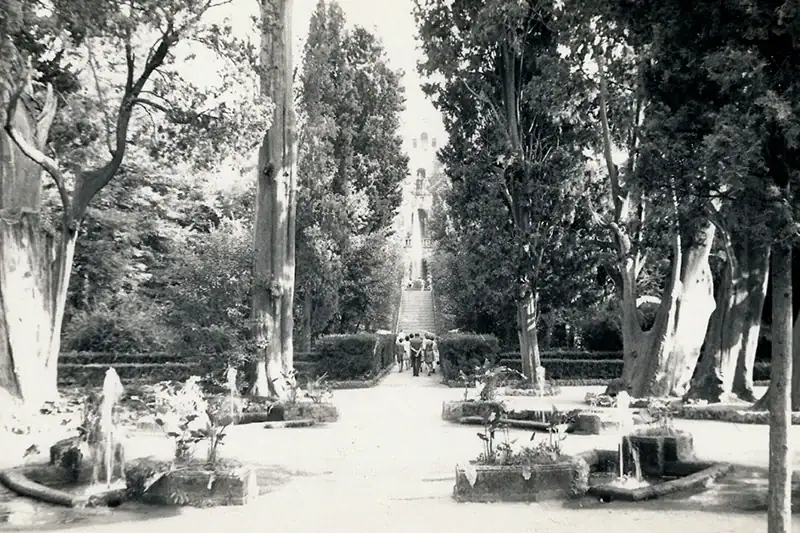
The staircase has gone through three distinct phases: a difficult natural climb before any structure existed, a wooden staircase built in 1920, and the concrete structure of 272 steps completed in 1939 that visitors use today.
Before the Staircase
Before any staircase was built, reaching the Temple Cave meant climbing the steep limestone hill by gripping tree roots and rock outcroppings. Devotees who made the journey, particularly during Thaipusam, treated the physical difficulty of the ascent as part of the act of devotion itself.
Construction of the 272 Concrete Steps
In 1920, a wooden staircase was built to give worshippers safer access to the cave. It served the temple for nearly two decades but eventually deteriorated from heavy use and tropical weather.
In 1939, temple chairman Ramachandra Naidu proposed replacing it with a permanent concrete structure. The new staircase had to follow the natural slope of the limestone cliff — an unusual engineering constraint that explains why the steps are steeper and narrower than most modern staircases. Anchoring the structure into the limestone rock while building it to support thousands of visitors required careful planning, and the result is a staircase that matches the natural topography of the hill rather than imposing a standard design onto it.
The concrete staircase was completed in time for the 1940 Thaipusam festival.
Community Contributions
The project was funded entirely through donations from the local Hindu community. Workers and devotees contributed financially — some donating a full day’s wages — as part of a practice known in Tamil as Thiruppani, which refers to sacred construction or renovation work carried out in service of a temple.
These collective contributions are why the staircase exists in its current form, and the structure remains the result of community effort rather than any single institution or government project.
Why Are the Batu Caves Stairs Painted in Rainbow Colours?
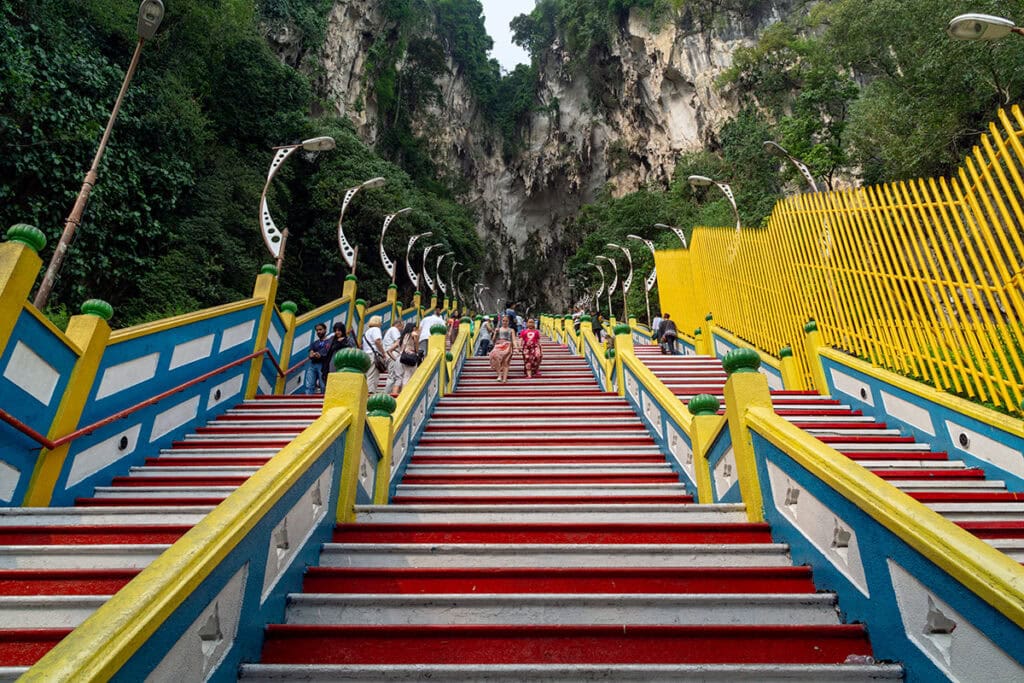
The staircase was painted in rainbow colours in 2018, when community volunteers repainted the previously plain grey concrete steps in a gradient running from warm oranges and yellows at the base through greens and blues toward the top. The project was intended to revitalise the site and draw younger visitors — and the resulting photographs spread widely on social media, contributing to a significant rise in visitor numbers.
The colour scheme was not chosen arbitrarily. The vibrancy mirrors the atmosphere of Hindu festivals, particularly Thaipusam, when the staircase is decorated with flowers, flags, and processional lights. The painted steps reflect that same energy year-round.
The 2018 repainting was not without controversy. Malaysia’s National Heritage Department raised questions about whether approval had been obtained under conservation regulations before the work began. The debate did not reverse the decision — the colourful staircase has since become the defining visual identity of Batu Caves.
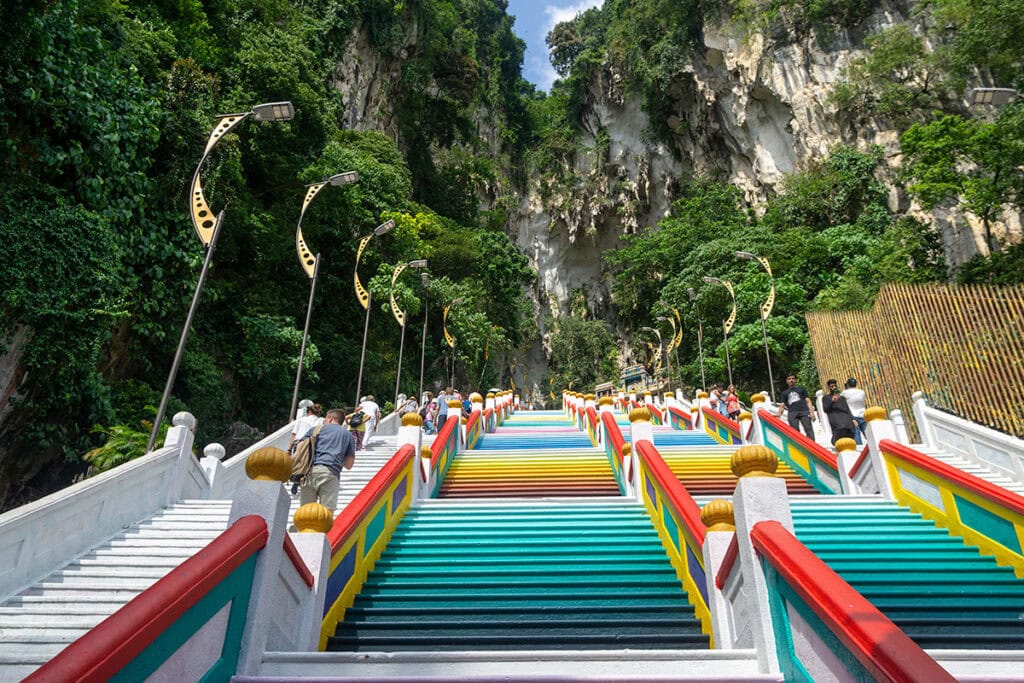
The staircase is repainted every year, typically in November and December, a few months ahead of Thaipusam. The temple committee refreshes the paint before the festival season to ensure the steps are at their most vibrant for the large influx of pilgrims and visitors. If you are visiting in November or December, expect sections of the staircase to be partially covered or temporarily restricted while repainting is underway. Outside that window, the colour intensity depends on how recently the work was completed — the steps look their most vivid in January and February immediately after the repainting is finished.
For photographs, the best angle is from the base of the staircase looking up. From this position all 272 steps are visible in a single frame, with the 43-metre golden Murugan statue above. Arrive before 9am for softer morning light and fewer people on the steps. Halfway up, turning around gives you a view back toward Kuala Lumpur — on a clear morning the city skyline is visible behind the treetops at the hill’s base.
Spiritual Meaning of Climbing the Batu Caves Steps
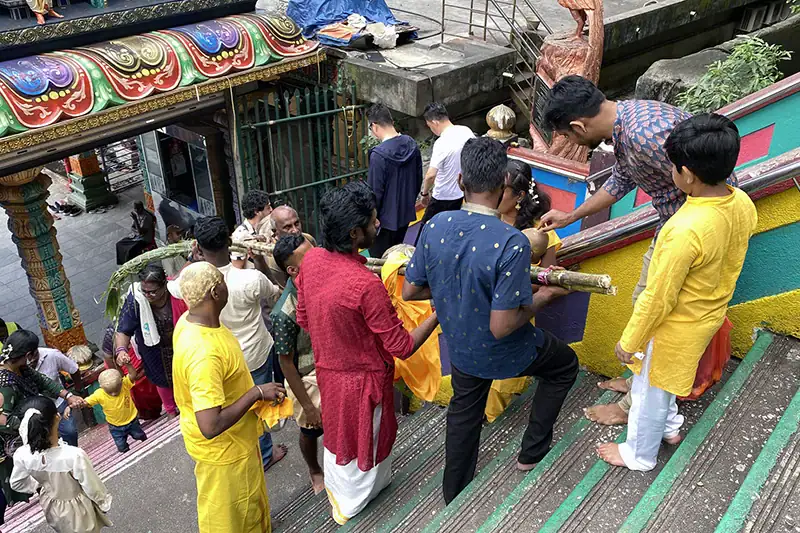
For Hindu pilgrims, the climb is an act of devotion — not a tourist activity. The 272 steps lead to the Sri Subramaniam Temple dedicated to Lord Murugan, and completing the ascent is considered a form of prayer in itself.
Who Is Lord Murugan?
Lord Murugan — also known as Kartikeya or Skanda — is one of the most widely venerated deities in Tamil Hindu tradition, associated with victory, spiritual power, and wisdom. The 42.7-metre golden Lord Murugan statue at the base of the steps held the title of world’s tallest Murugan statue from 2006 to 2022, and remains the second-tallest globally today. The temple at the top of the staircase has been a place of active pilgrimage for over a century.
For devotees, the physical effort of the climb — the heat, the steepness, the 272 steps — is part of the offering. Arriving at the temple having completed the ascent carries spiritual weight that arriving by another means would not.
The Climb as Penance
The spiritual significance of the staircase is most visible during Thaipusam, the annual Hindu festival held in January or February. Devotees known as kavadi bearers — pilgrims who carry large decorated wooden or metal frameworks, sometimes with hooks pierced into their skin — make the ascent as a form of penance offered to Lord Murugan. They climb in a state of deep prayer, often accompanied by drumming and chanting from the crowd around them. Approximately one million people attend the Batu Caves Thaipusam celebration each year.
Visiting as a Non-Hindu
The staircase and temple are open to visitors of all backgrounds. A few things to keep in mind before you go:
- Move to the side if a devotee procession is making the climb
- Avoid stepping through or over offerings and flower garlands placed at the base of the steps
- Dress modestly — covered shoulders and knees are expected at the cave temple
- Photography on the staircase is generally fine; inside the temple, check for posted restrictions before taking photos
Monkeys on the Batu Caves Staircase
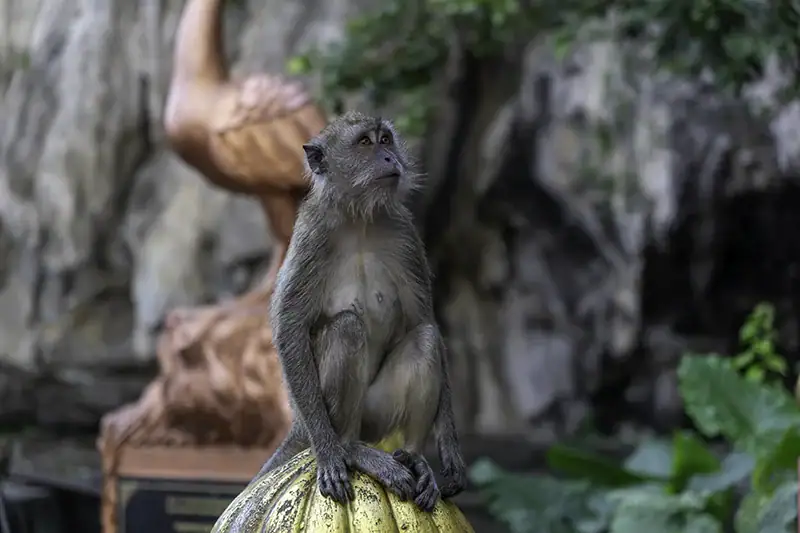
The monkeys at Batu Caves are long-tailed macaques (Macaca fascicularis) — a wild primate species common throughout Malaysia. They live on the limestone hill year-round and are present on and around the staircase on every visit. Most visitors encounter them.
What the Macaques Are Like
Macaques at Batu Caves have no fear of people. They sit on the handrails within arm’s reach of the lower steps, watch visitors closely, and move quickly when they spot food. Plastic bags, open backpack zippers, water bottles held loosely, and anything being eaten near the stairs will draw them immediately.
They are opportunistic rather than aggressive. Problems almost always happen when a visitor tries to take food back after a monkey has grabbed it, moves suddenly when one is close, or crowds an animal near a wall or corner. One thing worth knowing: when visitors nearby are actively feeding the monkeys — which does happen, despite it being discouraged — the whole troop becomes noticeably bolder and more active. Passing through at that moment requires more caution than usual.
How to Handle an Encounter
- Store all food inside a closed bag before you reach the stairs
- Close every zipper on your bag and day pack
- Hold your phone and camera close — items held loosely at your side have been grabbed before
- Do not feed the monkeys, regardless of what nearby vendors are selling
- If one approaches: stand still, avoid direct eye contact, and back away slowly
If You Are Bitten
Monkey bites at Batu Caves are uncommon and usually happen when someone tried to pull food back from an animal that had already taken it. If you are bitten, wash the wound thoroughly with soap and water and seek medical attention the same day. A doctor can advise on whether post-exposure precautions are needed.
Best Photo Spots on the Batu Caves Staircase
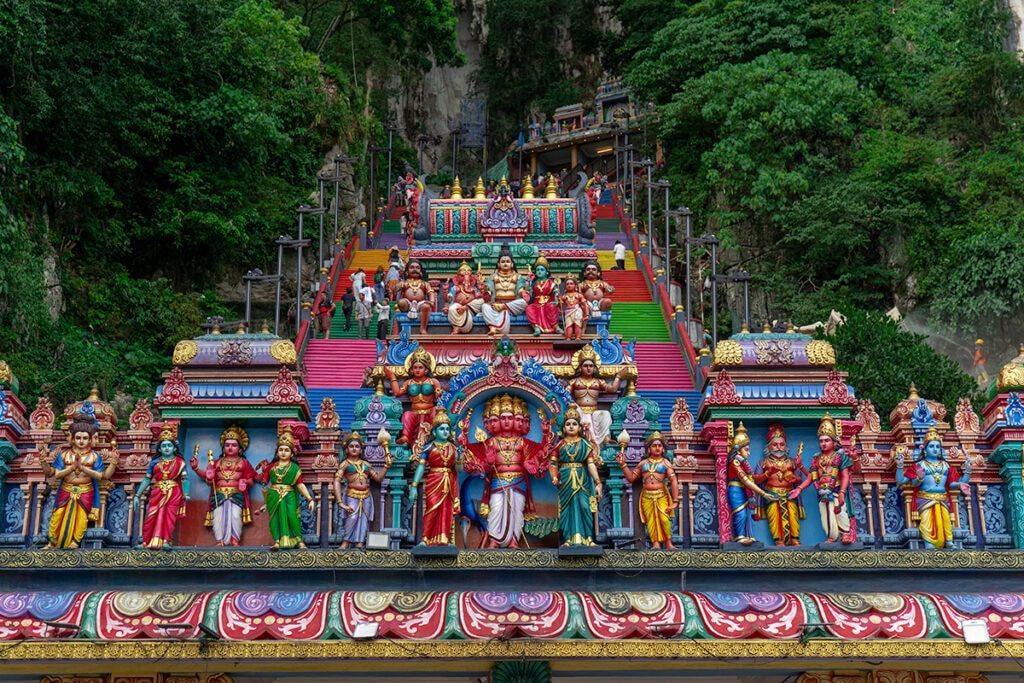
The staircase offers three distinct angles — looking up from the base, looking back toward Kuala Lumpur from the midway point, and looking down from the cave entrance above — and each produces a substantially different image.
From the base looking up is the classic composition: all 272 steps visible in a single frame, the limestone cliff rising on both sides, and the 43-metre Murugan statue to the right. Arrive before 9am for soft light and clear steps. By mid-morning, the staircase fills up and people become the dominant element in the frame regardless of where you position yourself.
From around step 135, looking back down toward KL gives you the rainbow gradient receding toward the treeline with the city visible in the background on clear mornings. This shot works best before haze builds — typically in the first hour after opening.
From the top of the staircase looking down is the least photographed angle because most visitors are already focused on the cave entrance ahead of them. Turning around before you enter gives a compressed view of the full staircase narrowing toward the ground below — a noticeably less common perspective than the two angles below.
For timing: early morning before 9am is the best window overall. After 4pm crowds thin again, but the hill shades the staircase as the sun moves behind it, which flattens the colour of the painted steps considerably.
A practical note on drones: commercial drone flights over crowded public spaces require permits in Malaysia. Assume drone photography is not permitted on a standard visit to Batu Caves.
What Awaits at the Top of the Batu Caves Staircase
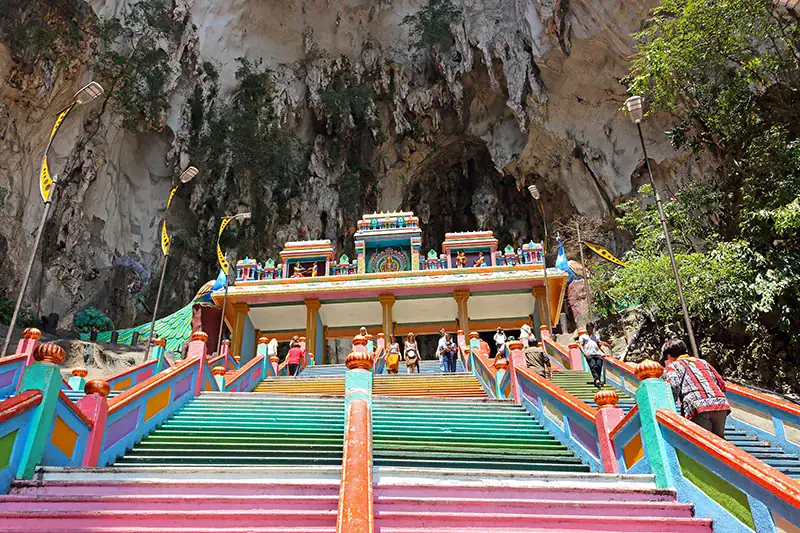
At the top of the Batu Caves steps, you enter one of the largest limestone cave chambers in Southeast Asia — a cavern approximately 100 metres high, naturally lit by large openings in the cave ceiling above.
The cave houses the Sri Subramaniam Temple, dedicated to Lord Murugan, which has occupied this site since the late 19th century. Multiple shrines and painted statues line the cave walls, and devotees who have made the climb for prayer gather at the main Murugan shrine inside.
The light inside the cave changes throughout the day. In the morning, shafts of natural light fall through the ceiling openings and move across the cave floor depending on the angle of the sun. By midday, the light is more even but also harsher. The cave has a noticeably different feel at different times — cooler and quieter in the early morning, busier and louder once tour groups arrive mid-morning.
Bats roost in the upper chambers. They are largely invisible during the day but audible as a faint rustling from high above. In the late afternoon, bat colonies exit the cave in large numbers — a separate draw for wildlife photographers, though it requires timing your visit well outside regular peak hours.
Beyond the cave entrance, the inner walkways include over 100 further steps between the entrance and the main temple areas — the climb does not end entirely at step 272.
The Dark Cave sits just before the main cave entrance and is managed separately from the temple. Guided tours run through undeveloped sections of the limestone system, including stalactite and stalagmite formations. Entry is RM35 for adults and requires joining a scheduled guided slot.
Remove your shoes before entering the temple area. There are donation boxes near the main shrine for those who wish to contribute.
How the Staircase Transforms During Thaipusam
Thaipusam is a Tamil Hindu festival observed on the full moon of the Tamil month of Thai — falling in January or February each year depending on the lunar calendar. At Batu Caves, it is the largest public gathering in Malaysia and one of the largest Thaipusam celebrations in the world, drawing approximately one million devotees and visitors over the course of the festival.
The staircase on Thaipusam looks and sounds nothing like it does on any other day of the year.
What Changes on the Staircase
The steps are lined with flower garlands, oil lamps, and offerings placed by devotees preparing to climb. The air carries incense smoke and the continuous sound of urumi — a double-headed traditional Tamil drum — which beats throughout the night and into the morning as processions ascend the steps.
Kavadi bearers — devotees carrying decorated wooden or metal frameworks, some with hooks pierced into their skin as a form of penance — make the climb in an uninterrupted stream from before dawn. Many have walked the full 15km procession from Sri Mahamariamman Temple in Kuala Lumpur city centre before they even reach the base of the staircase. The climb is the final act of a journey that has already lasted several hours.
The ascent that takes 15 minutes on a quiet weekday morning can take well over an hour during Thaipusam. The pace is entirely set by the crowd.
Planning a Thaipusam Visit
Arrive before 5am if you want to witness the most dramatic part of the festival with manageable crowds. By 7am the staircase and surrounding grounds are densely packed.
Accommodation in Batu Caves and nearby Gombak books out months in advance during festival season. Most visitors travelling from KL take the KTM Komuter — additional services run during the festival, but confirm the schedule in advance as timings change each year.
When photographing kavadi bearers: no flash, maintain a respectful distance, and do not step in front of or obstruct a devotee who is mid-climb.
Why Batu Caves Became One of the Most Photographed Staircases in the World
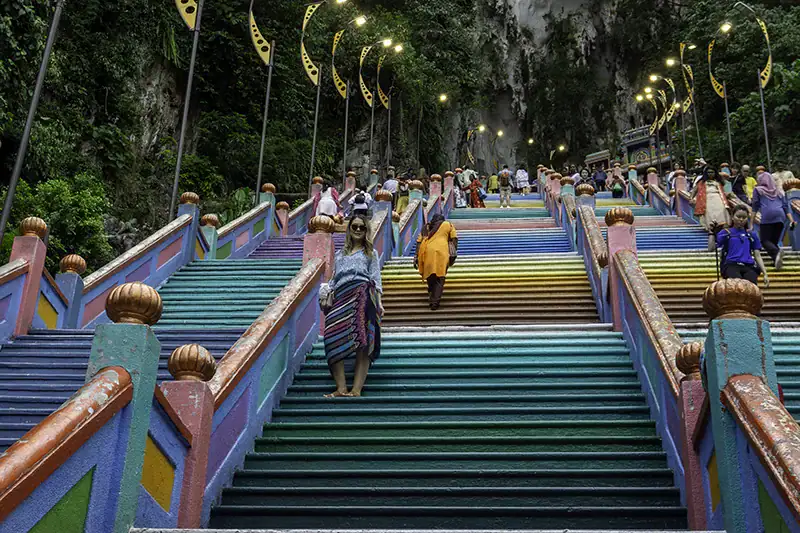
After the rainbow repainting in 2018, the Batu Caves staircase quickly became one of the most recognizable staircases in the world. The colorful gradient design contrasts dramatically with the grey limestone cliffs and the golden statue of Lord Murugan.
Travel photographers often describe Batu Caves as one of Southeast Asia’s most visually striking temple entrances.
This global recognition helped transform Batu Caves from a primarily religious destination into one of Malaysia’s most visited tourist attractions.
Batu Caves Staircase Opening Hours
The staircase and Temple Cave are open daily from 6am to 9pm. There is no ticket required and no timed entry slot — you can arrive at any point during opening hours.
The Dark Cave operates on a separate schedule and requires a pre-booked guided tour. It generally opens from 9.30am and closes by 5pm, with closures on certain public holidays. Confirm availability before visiting.
During Thaipusam, the site remains open through the night to accommodate the scale of the festival — the only time the staircase is regularly accessible before 6am.
For a full breakdown of opening hours including public holiday variations and Dark Cave tour timings, see the Batu Caves opening hours guide.
Future Development: Escalator Project at Batu Caves
An escalator running alongside the existing staircase was approved for development with a target completion date of 2027. The project is intended to give elderly visitors, worshippers with physical limitations, and families with young children a way to reach the Temple Cave without climbing the 272 steps.
The staircase itself will remain. The escalator is planned as an additional route, not a replacement — devotees who climb the steps as an act of devotion will continue to do so, and the staircase stays open for all visitors who prefer it.
The project has attracted debate since its announcement. Critics — including some heritage groups and members of the temple community — have raised concerns about the visual impact of a modern structure on the limestone hill and about whether providing a mechanical alternative changes the spiritual character of the ascent. Supporters point to the practical need, particularly for elderly devotees who have worshipped at the cave temple for decades and can no longer manage the climb.
As of the time of writing, construction had not yet begun. If you are visiting after 2027, confirm whether the escalator is operational before planning your visit around the staircase experience.
Frequently Asked Questions About the Batu Caves Steps
Is the Batu Caves Staircase Worth Climbing?
The Batu Caves steps are worth climbing — and the experience is best when you arrive early, go prepared for the heat, and treat the cave temple at the top as more than just an endpoint.
For most visitors, the climb takes 15 to 20 minutes. What you find at the top — a working Hindu temple inside a 100-metre limestone cavern, with natural light falling through openings in the cave ceiling — is not visible or accessible from the base.
For full planning information including how to get there, what else to see at the site, and how to combine Batu Caves with other destinations around Kuala Lumpur, see the Batu Caves destination guide.
Information last verified: June 2026. Entrance fees, opening hours, and development timelines are subject to change — confirm directly before visiting.